


Focus Editor Philip explores his love of street, urban, and travel photography, but without photographing people. Learn how photographing quiet, face-free scenes can be just as rewarding, and how you can try it too
Introduction: Street, Travel, and Urban Photography but Without the People
I love street and travel photography in the urban environment, especially when combined, but I’m not a people person.
Pointing a camera at strangers doesn’t appeal to me, and crowds can feel intimidating, especially when you’re walking around with a camera hanging from your neck or when you're in a foreign country or an otherwise unfamiliar setting. Over time, I realised that, while I wanted to engage with this type of photography, forcing myself to photograph people while out exploring with my camera simply wasn’t enjoyable - and it wasn’t producing the kind of images I wanted to make.
Instead, I’ve built a practice and portfolio focused on street, travel and urban environment scenes without people, and I find it just as rewarding as traditional street photography.
Why I Enjoy Shooting Street, Travel and Urban Scenes Without People
There are plenty of brilliant street photographers who focus on people. Some of the best street photography in the world focuses on subjects such as vibrant market scenes, candid portraits, and quiet moments of human reflection in the built environment. I admire that work, but it’s never been how I see the world behind my lens. I'm drawn to the stories that cities tell on their own: the doorways, signs, architecture, objects, infrastructure, the play of light and shadow, and even animal life. This is what makes me tick as a photographer.
Photography works best when you lean into what excites you, not what you think you should be shooting. Once you realise that, it can be transformational for your practice. When I’m out with my camera, I’m far more interested in the environment itself. Take my advice from experience; if you're not genuinely drawn to photographing people, that disconnect will show in your images.
If this sounds like you, or if you’re curious to try something different with your street photography, this guide will show you how. I’ll share how I approach street and urban photography without people, the subjects I focus on, and practical tips for capturing compelling, people-free images, wherever you are. And just to be clear: this isn’t a cop-out. I’m not avoiding people out of shyness; I actively prefer empty scenes, and I want my images to reflect that choice.
"...if you're not genuinely drawn to photographing people, that disconnect will show in your images."
What to Photograph Instead: People-Free Subjects to Try
Below are some of my favourite tried-and-tested subjects for people-free street and urban photography. Each is something you can actively look for on your next walk or when you're next travelling, and they’re all easy to find, giving you plenty of opportunity to practise and develop your own approach.
For each subject, you’ll also see example images from my recent trip to Georgia, which I hope you’ll find inspiring. While these are my favourite subjects, you'll no doubt find your own favourites over time, too.
"I love street and urban photography, but I’m not a people person... Over time, I realised that forcing myself to photograph people simply wasn’t enjoyable, and it wasn’t producing the kind of images I wanted to make."
The Kit I Used for This Guide:
- Fujifilm X-T30 with Fujifilm XC 15-45mm f/3.5-5.6 OIS PZ Lens
- PolarPro CineGold Lens Filter
- Bucky Tripod from 3 Legged Thing
Empty Spaces and Quiet Moments
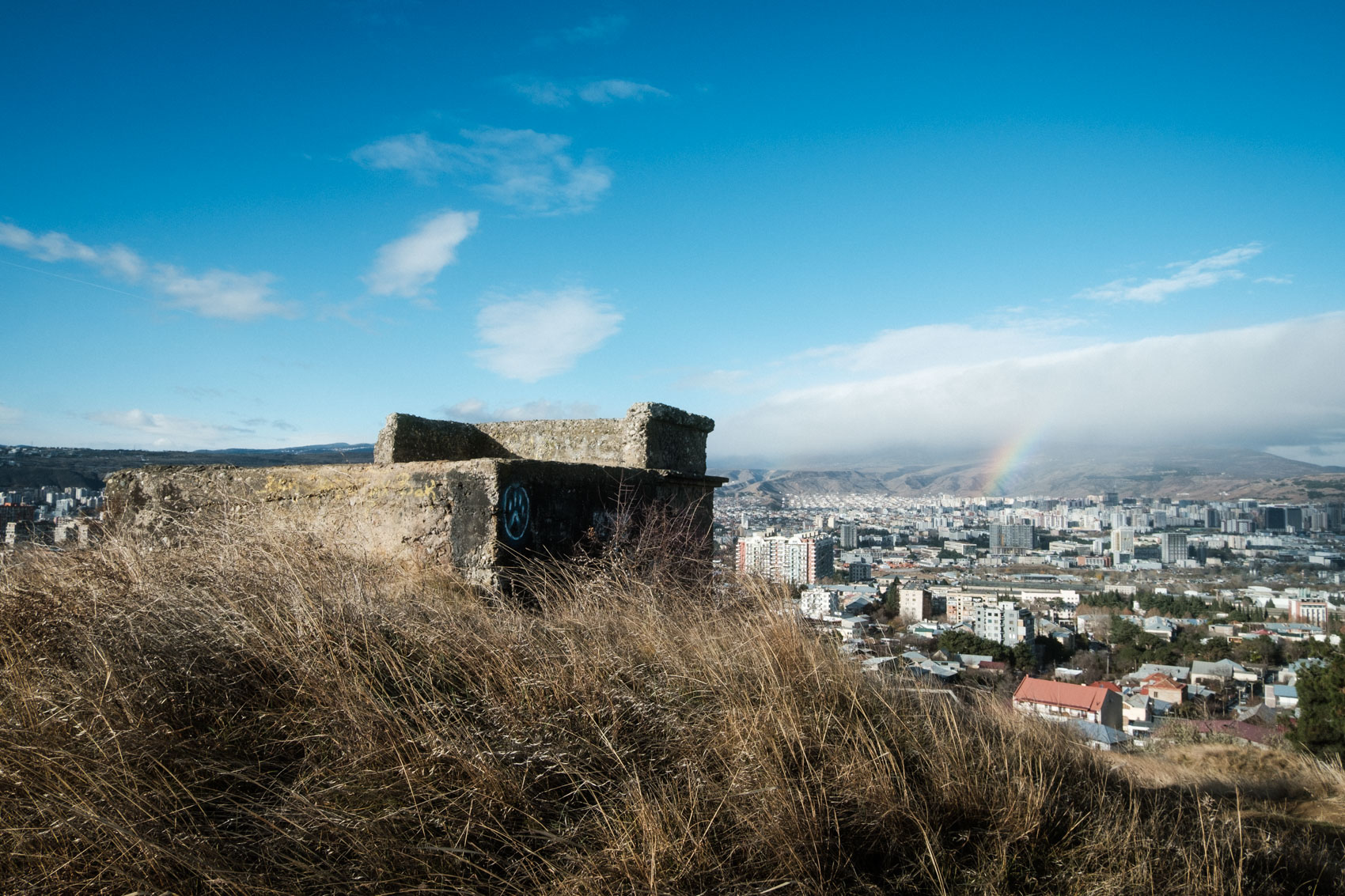
Early-morning or late-evening empty streets, side roads, alleys, or gaps between crowds, or forgotten corners of city sprawl can all make powerful images of the urban environment.
These quiet, empty spaces tell a story of place on their own, and that absence can be, photographically, incredibly atmospheric.
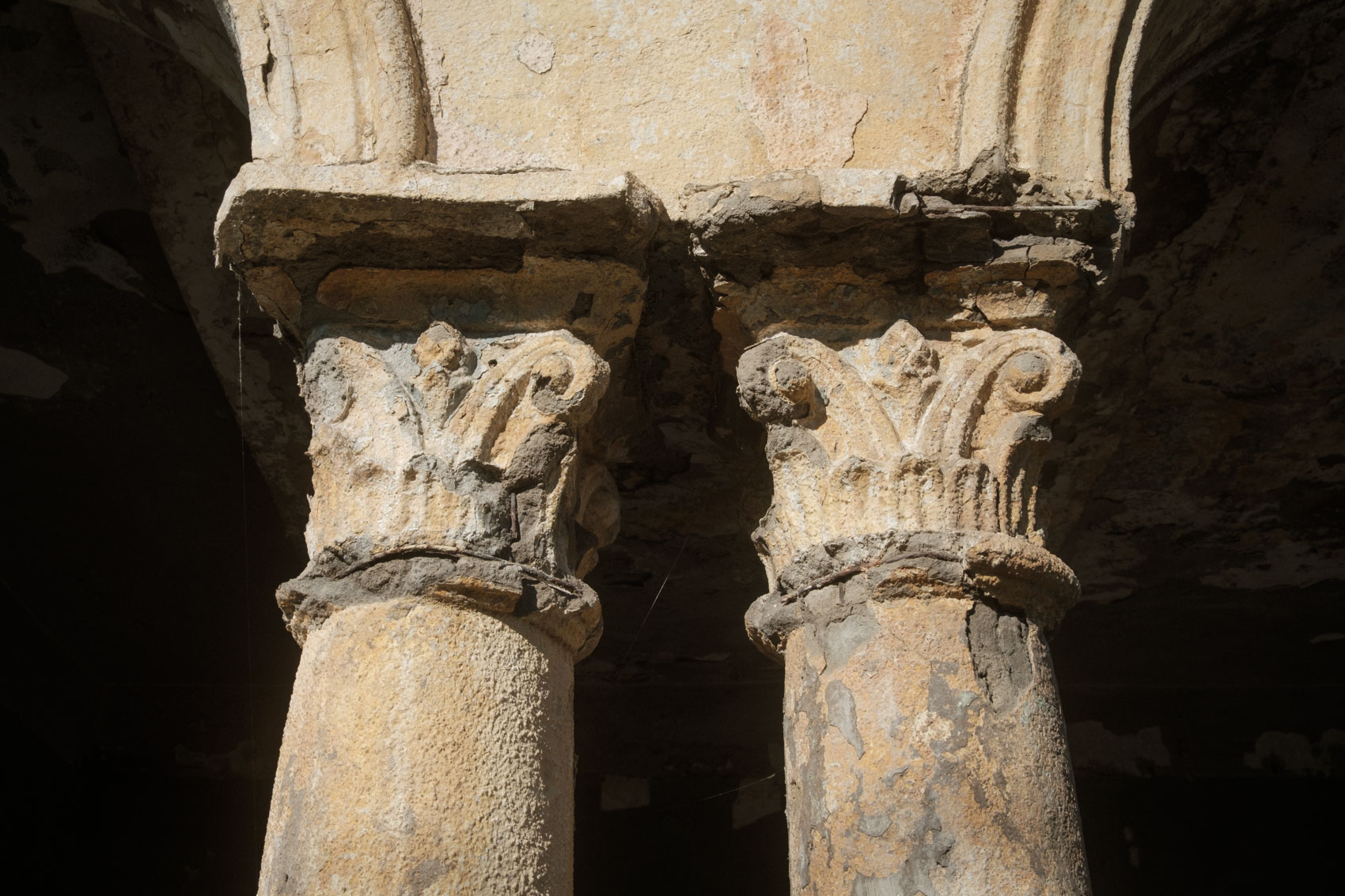
Architecture and The Built Environment
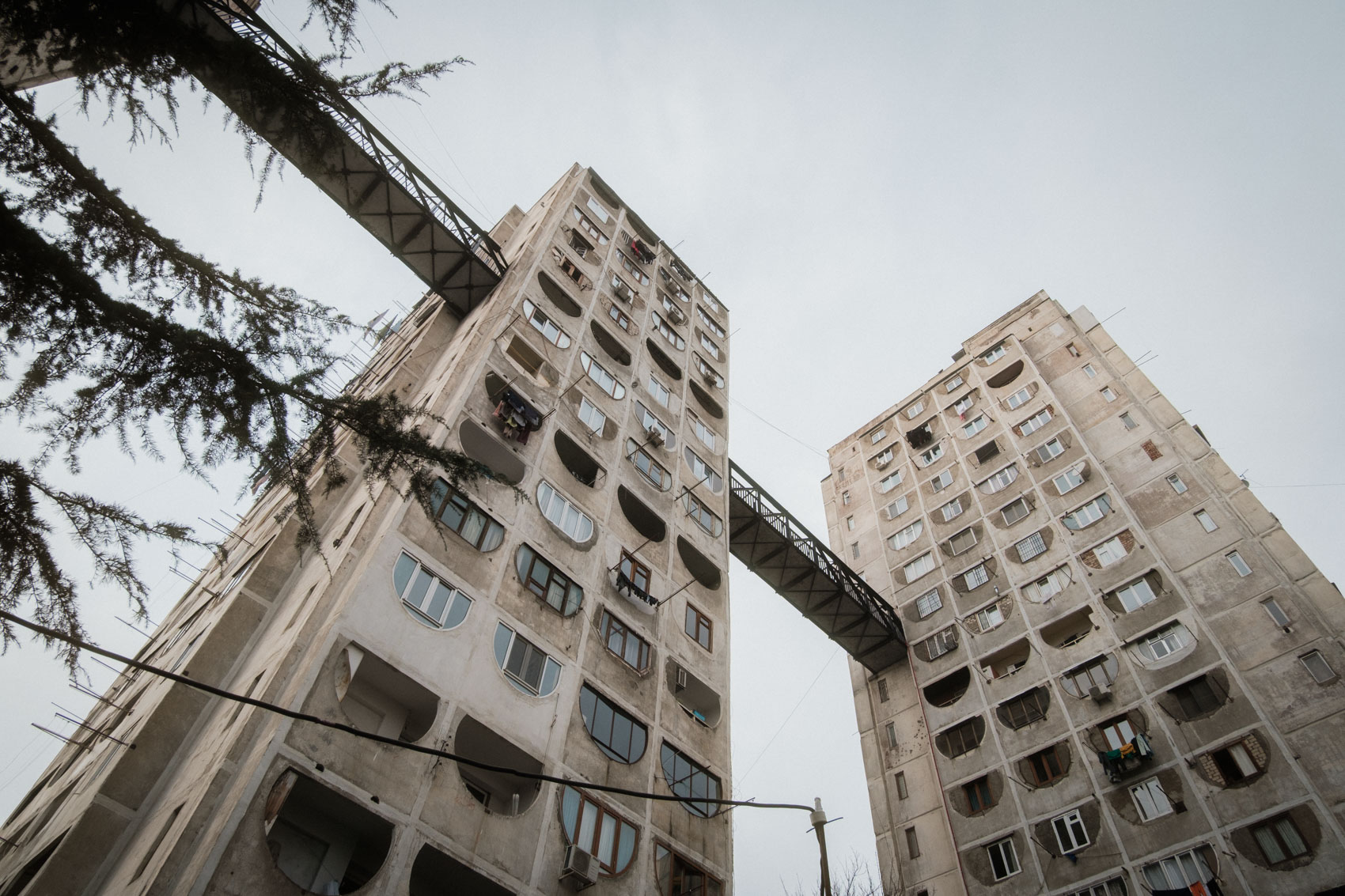
This is a big one for me. Few things define an urban environment more clearly than its architecture.
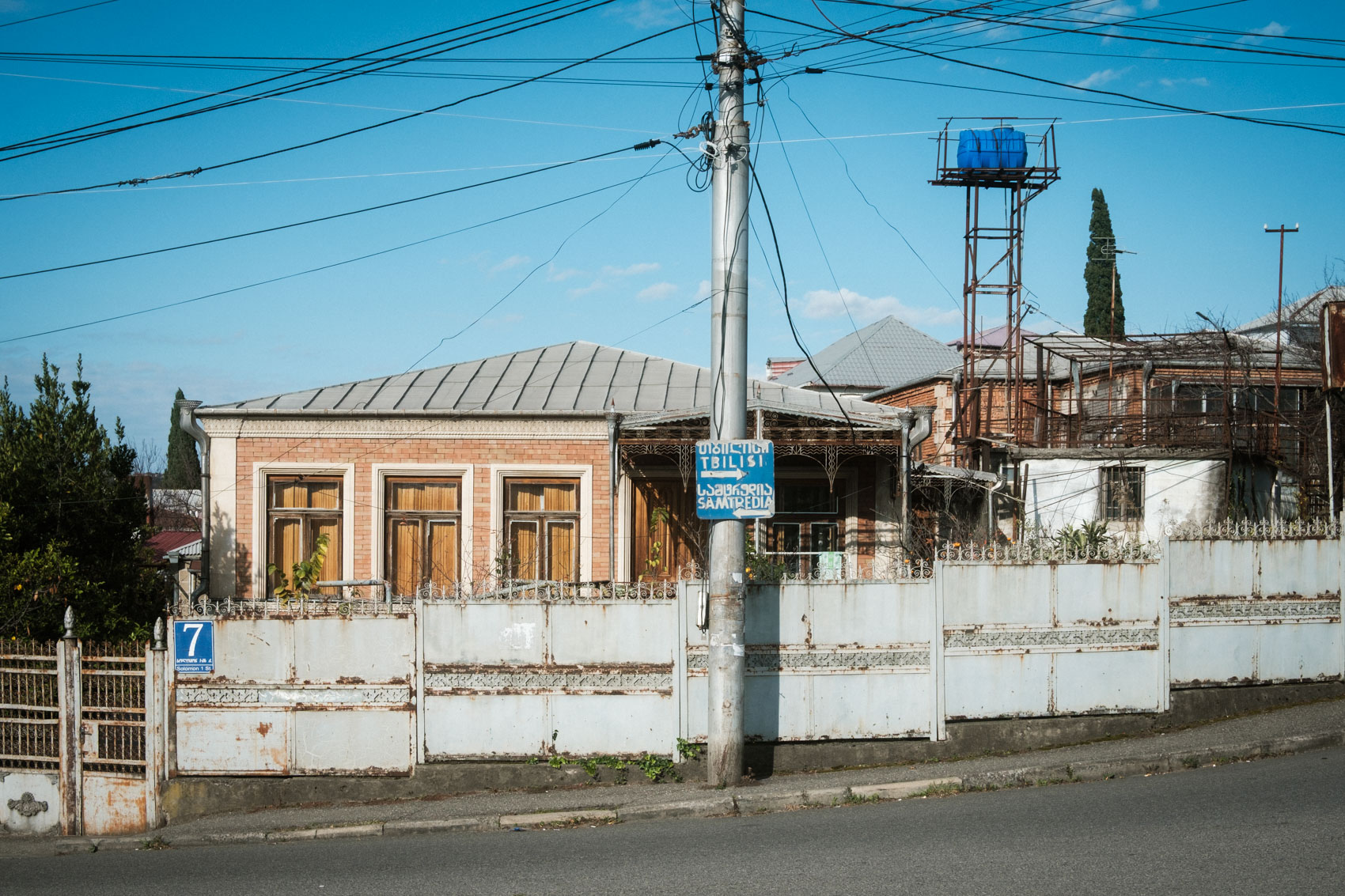
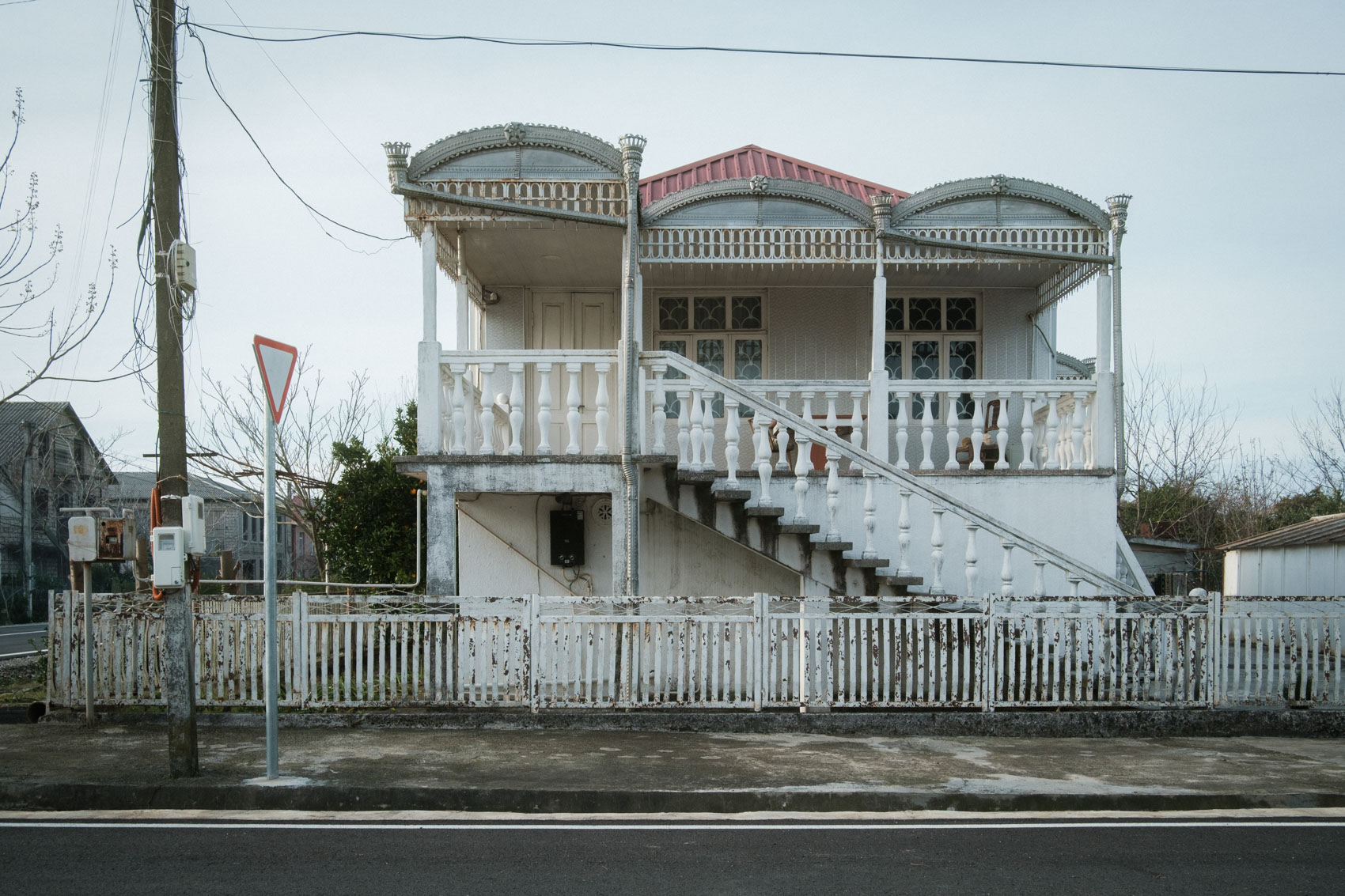
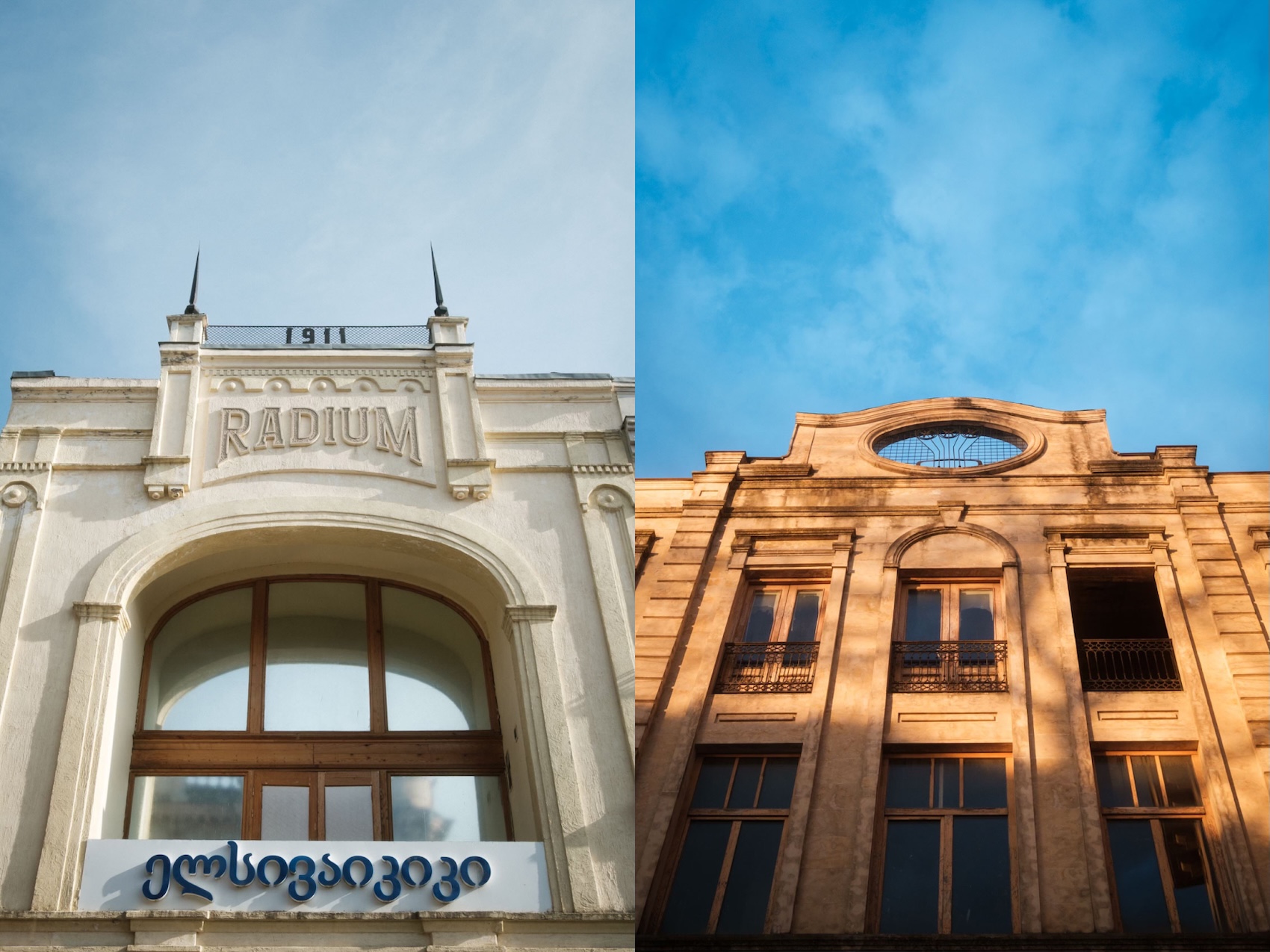
Look for strong lines, repeating shapes, unusual street-level façades, contrasts between old and new buildings, or the way light hits a structure. Don't forget to look up too, as you can find some amazing photo opportunities above your head. You don’t need people when the structure itself carries the scene.
Also, seek out architecture that is unique to where you are. For example, it may be the style or houses or the way buildings have been made that gives a place its character.
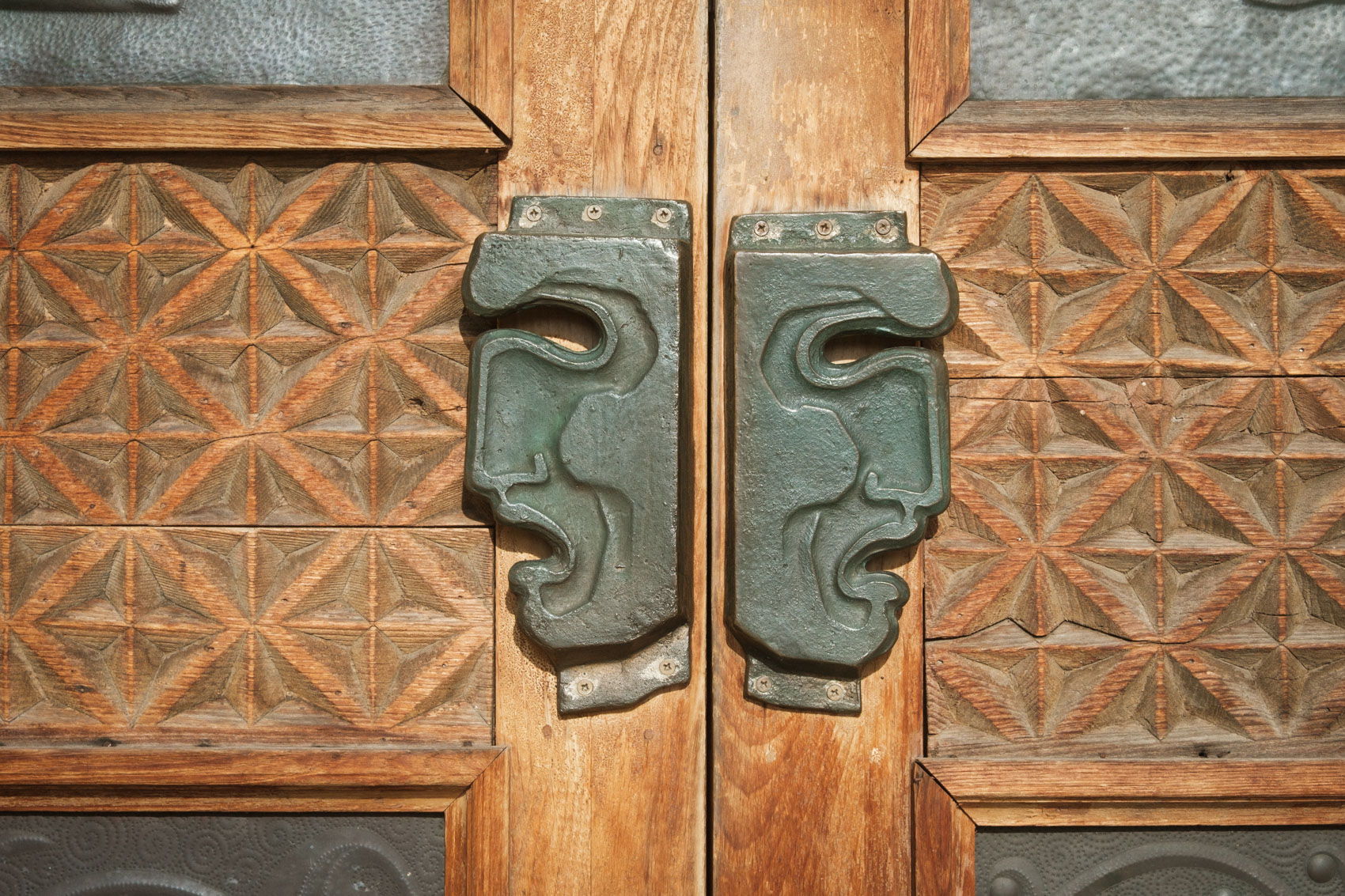
Doorways, Windows and Surfaces
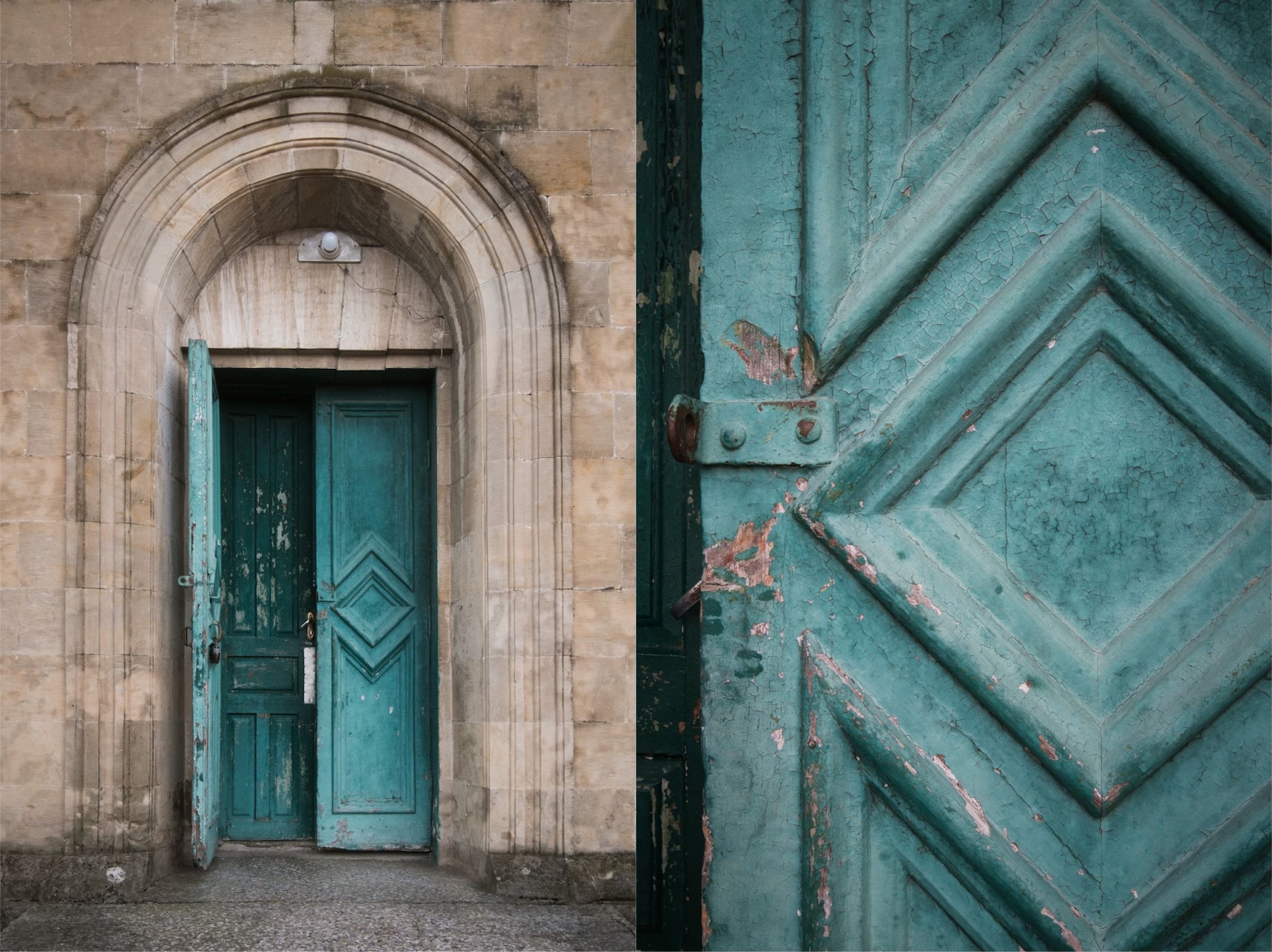
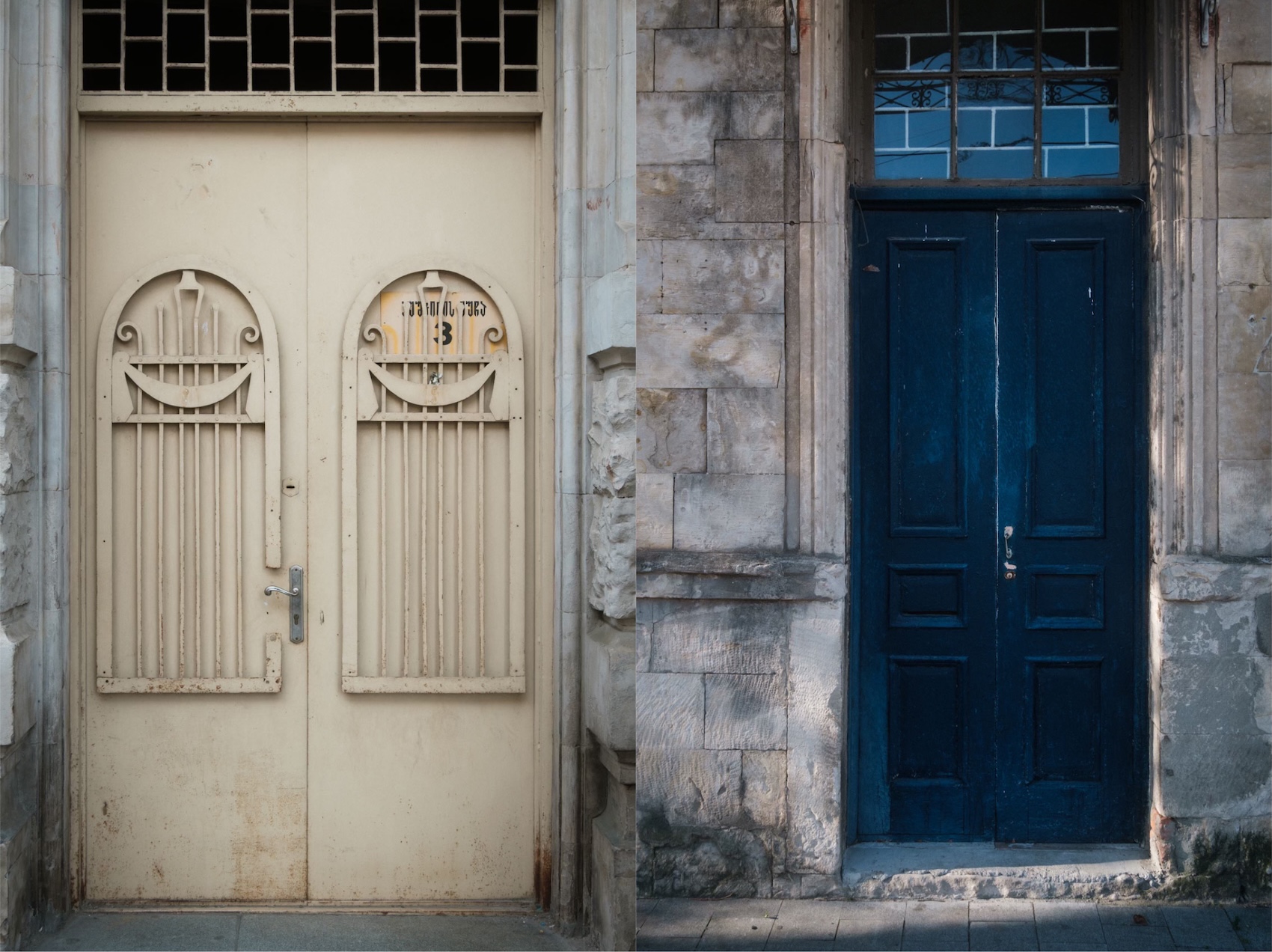
Doorways are one of my favourite subjects, and something I discovered early in my photography journey, a fascination I’ve carried with me ever since.
Look for doorways that evoke a story or emotion, such as rusted metal, peeling paint, ornate details, etc. These surfaces show years of life layered into a place, suggesting human presence without showing a single person.
Objects Placed (or Left Behind) in the Urban Environment
Once you start noticing these, you’ll find them everywhere, and they make fantastic, understated subjects.
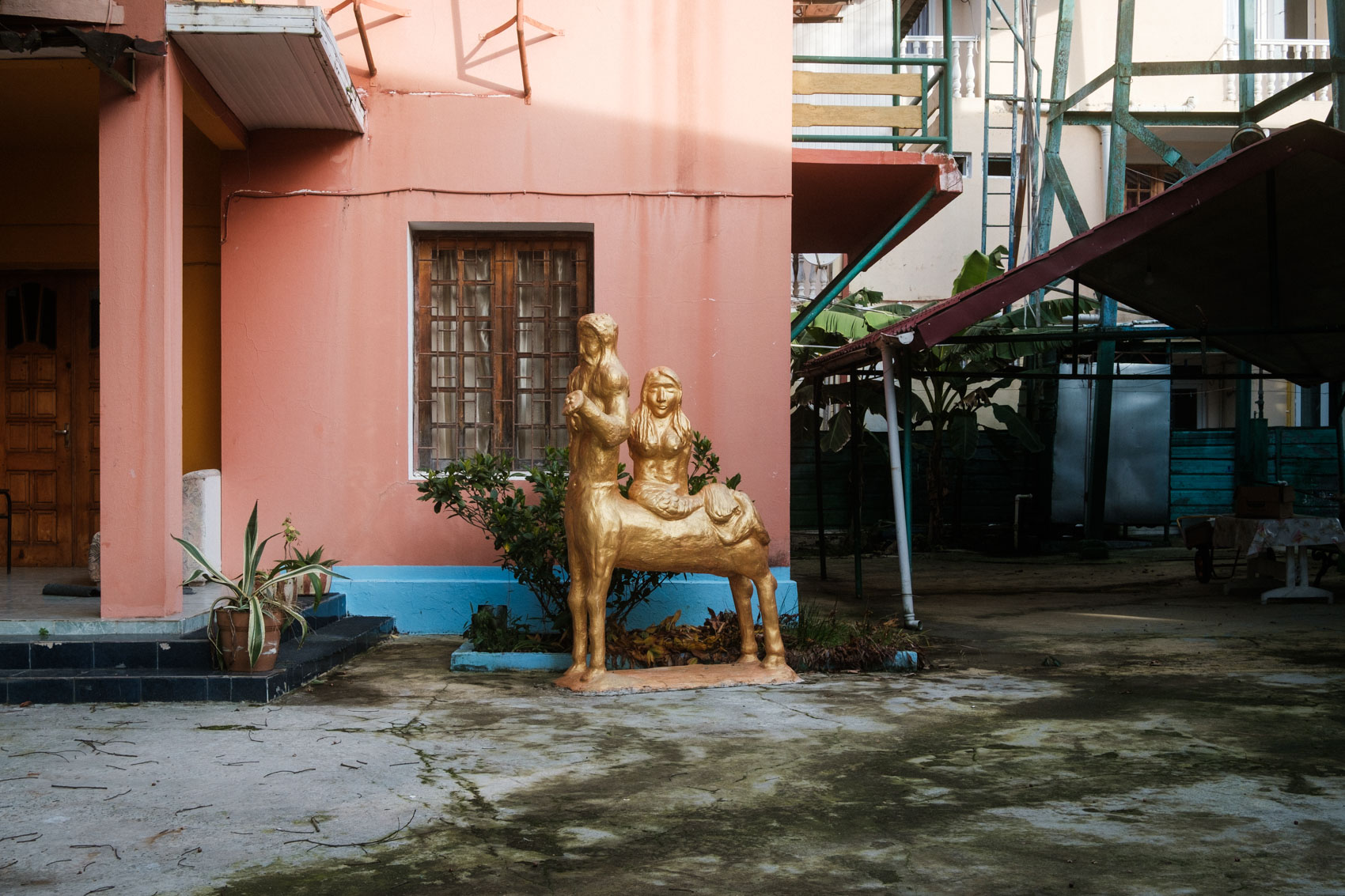
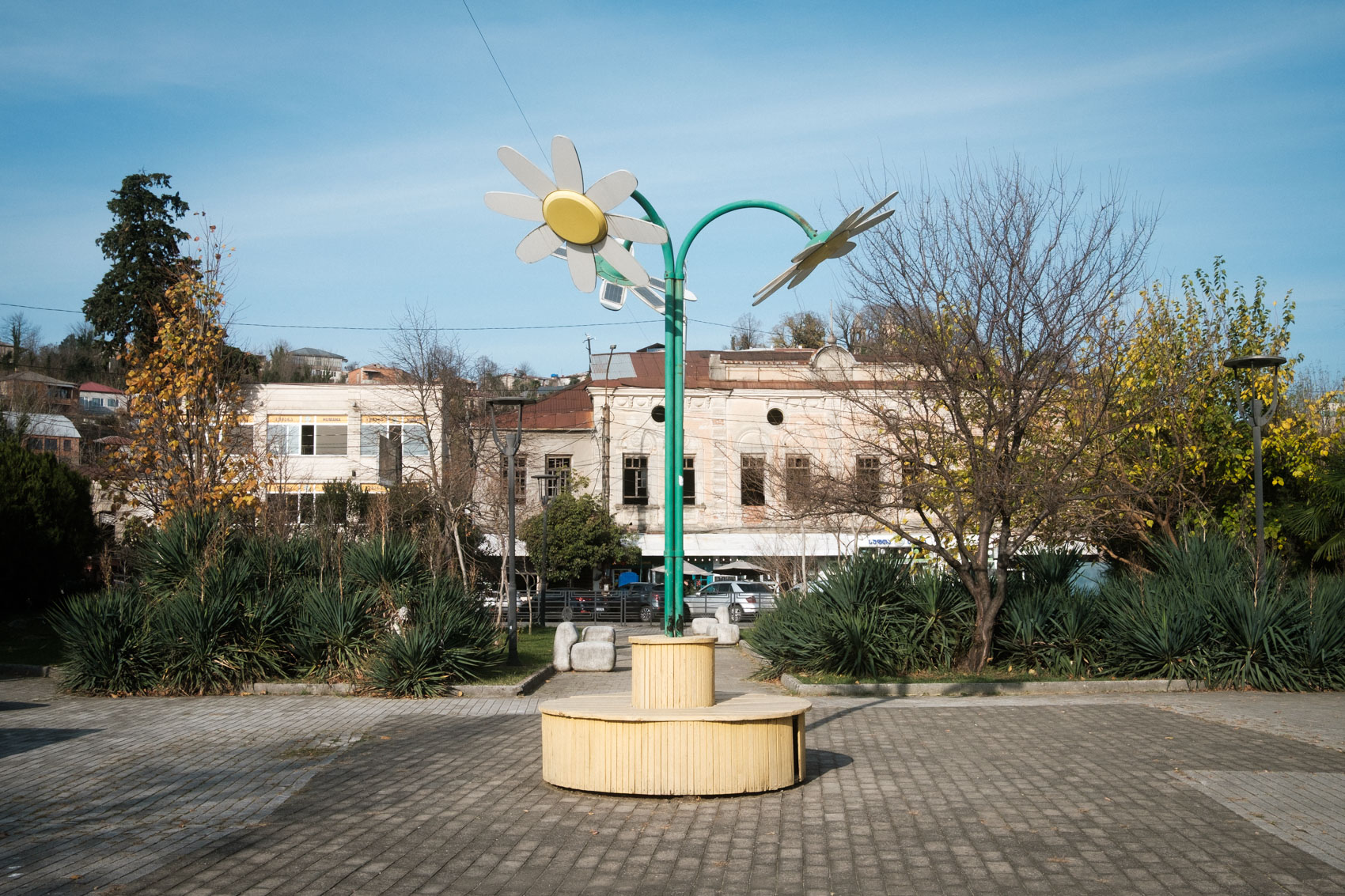
Chairs, street signs, bicycles, objects you wouldn't expect to see (see image below), etc are all fantastic subjects where you can place them as the main point of interest within the frame.
Objects in the urban environment, when they are treated as primary subjects in the frame, very often have the ability to say more about a place than a regular portrait, and invite the viewer to contemplate the scene and the story behind it.
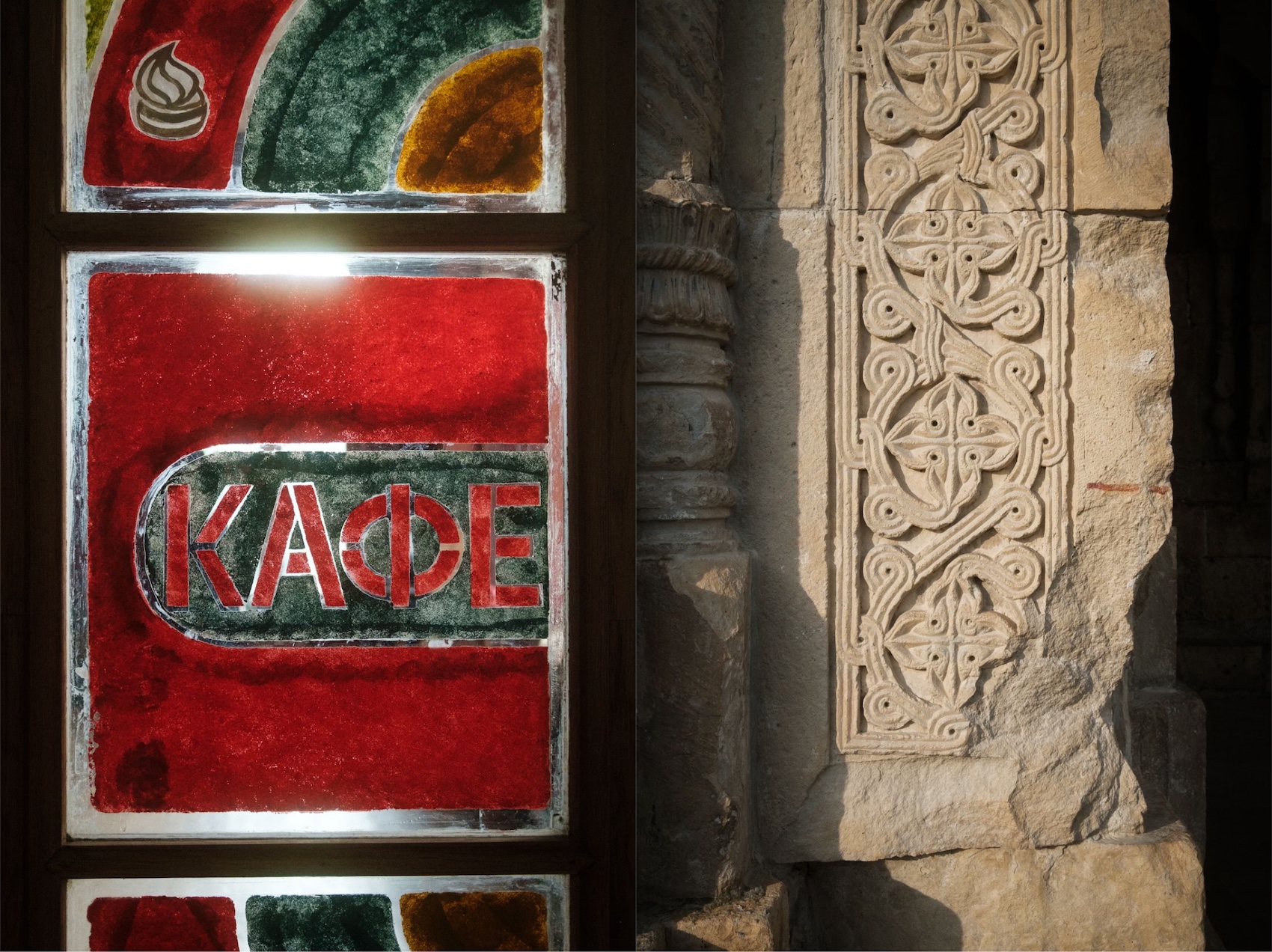
Details and Textures
Get closer and pay attention to the finer details around you. Decorative tiles, cracks in concrete, layered posters, typography, or small architectural features all help build a sense of place.
These images tend to be more subtle, but they’re often the most satisfying to make.
Shadows and Reflections
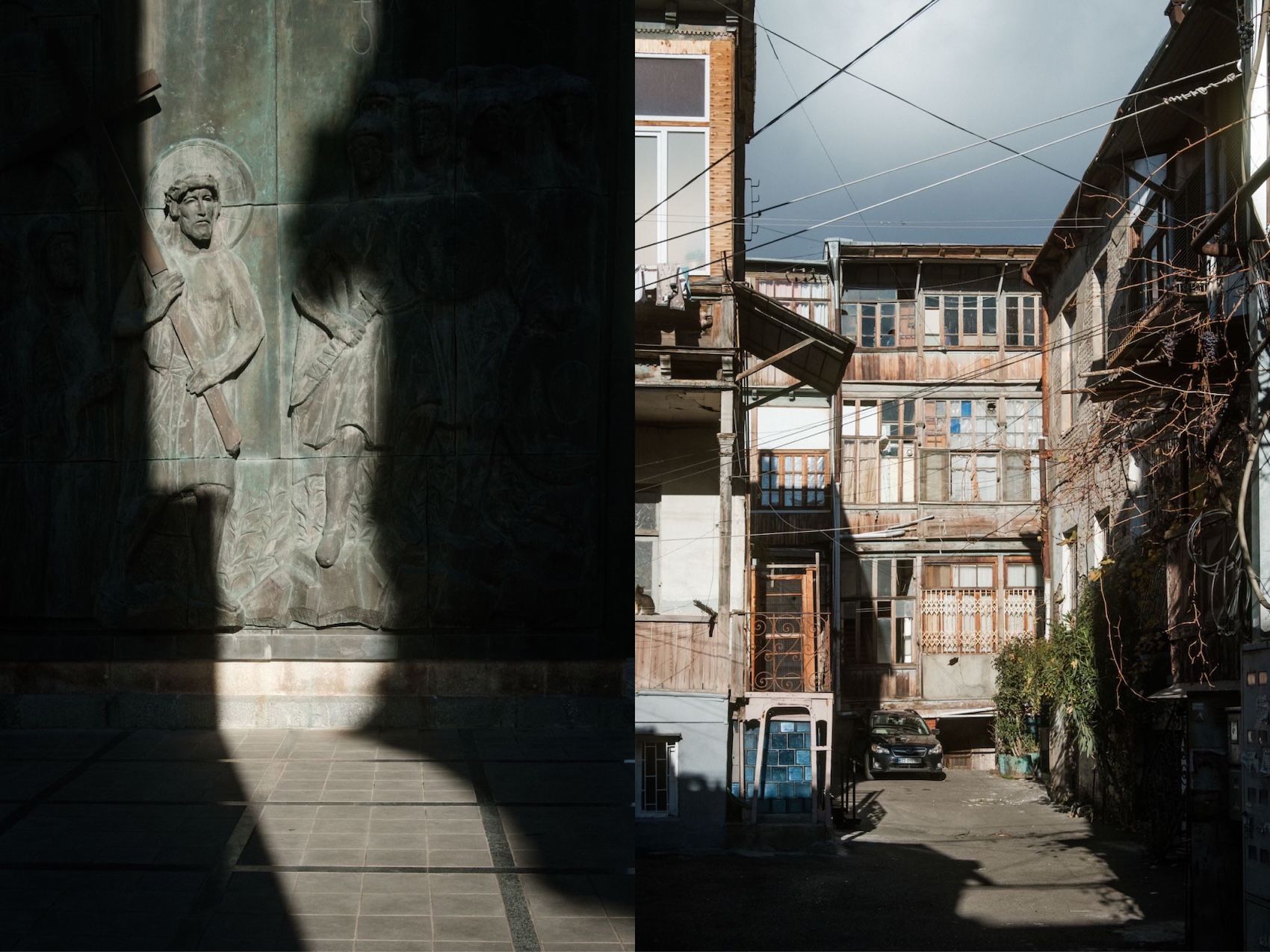
High-contrast scenes made up of light, shadow, colour, and shape can be incredibly rewarding to photograph, and you don’t need people, or even people’s shadows, to make them work, as seen in the photos below.
On sunny days especially, these opportunities are everywhere. Just make sure to really observe your surroundings. Top tip: look at all four corners of your frame when composing the image, especially with scenes like these that include harsh light an deep shadow. It'll help you slow down and get the best frame possible for your image.
Also, reflections can be super powerful, whether in a puddle at ground level or in a mirror. Experiment with reflections in your compositions and give it a try!
Urban Animals and Urban Nature
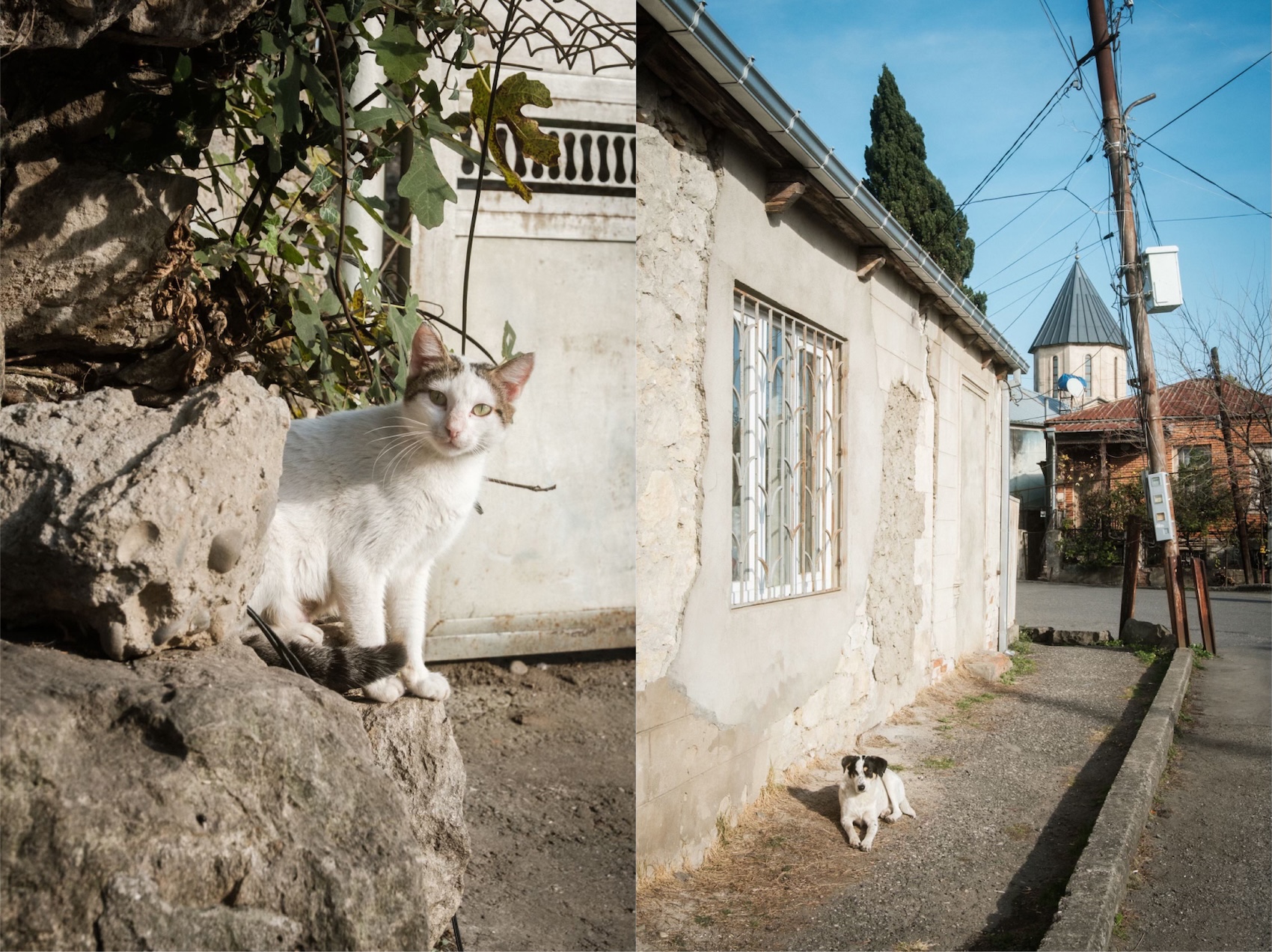
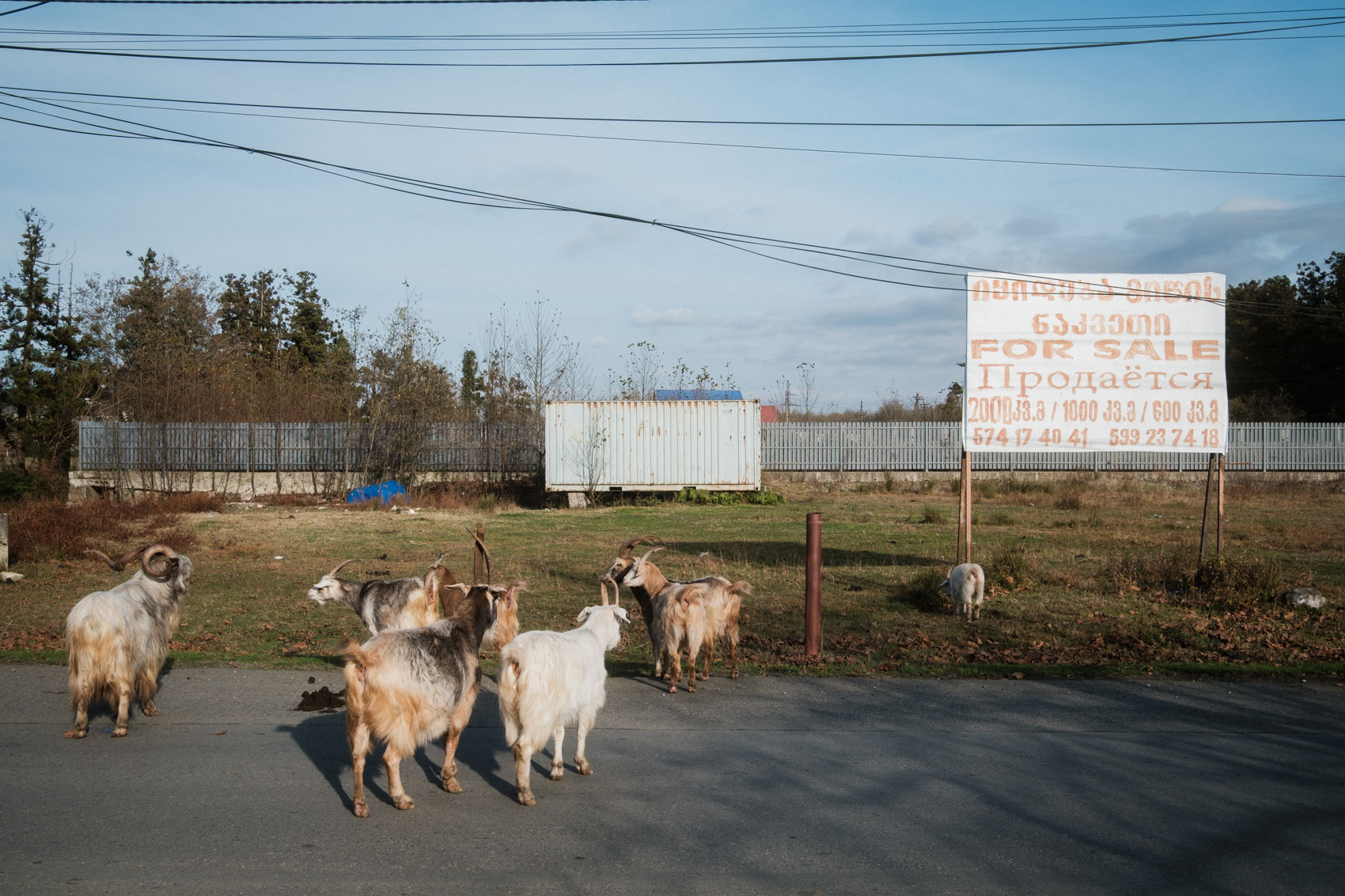
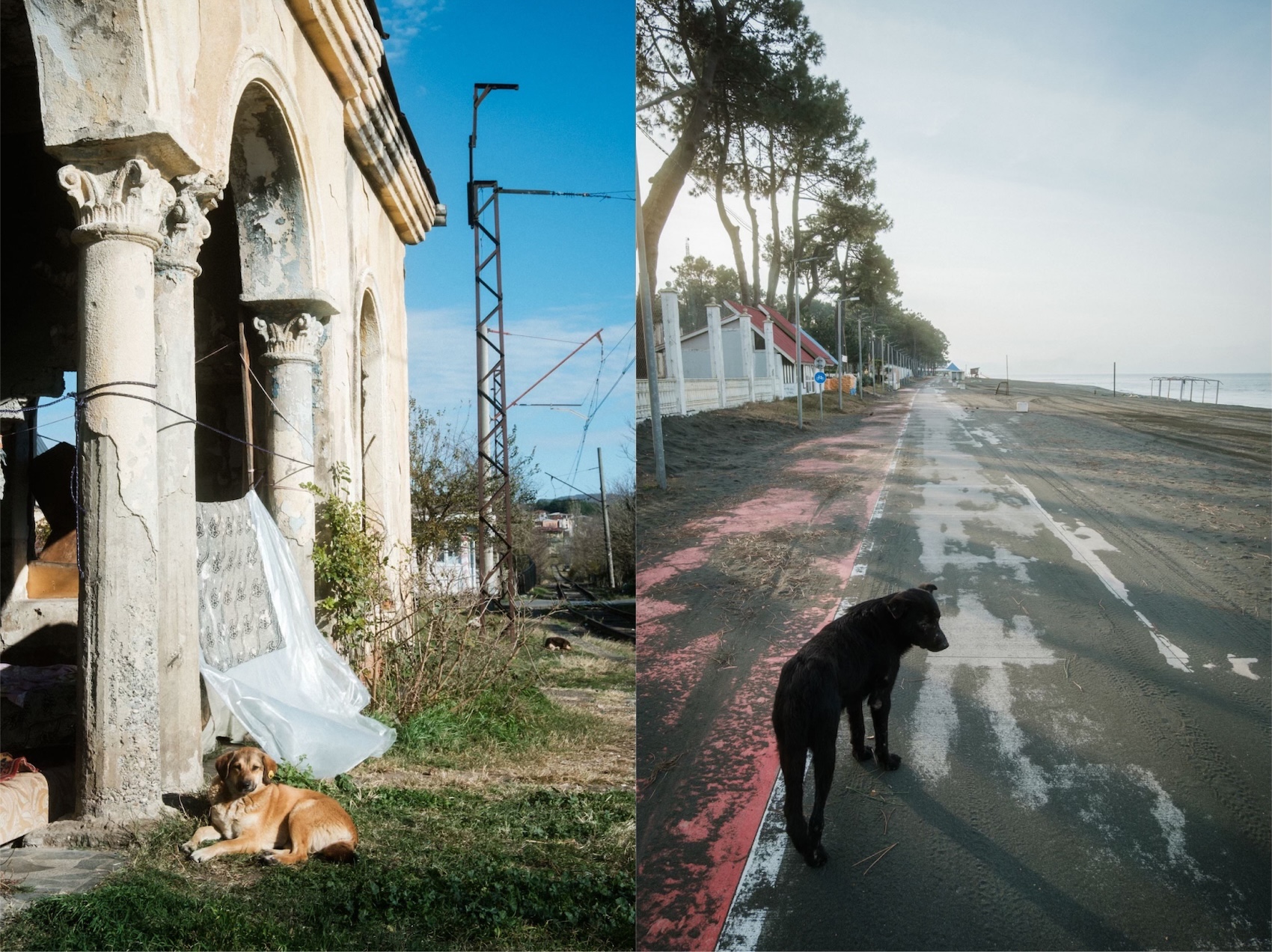
While I may not be much of a people person, I’m very much an animal person. Street animals, particularly cats and dogs, are some of my favourite subjects to photograph.
They can inject personality and life into a scene, and they’re often trickier to capture than you might expect, making a successful shot feel even more rewarding. Different cities offer different encounters, some full of stray dogs, others of cats, birds, or foxes, all adding their own character to the environment.
Transport and Urban Infrastructure
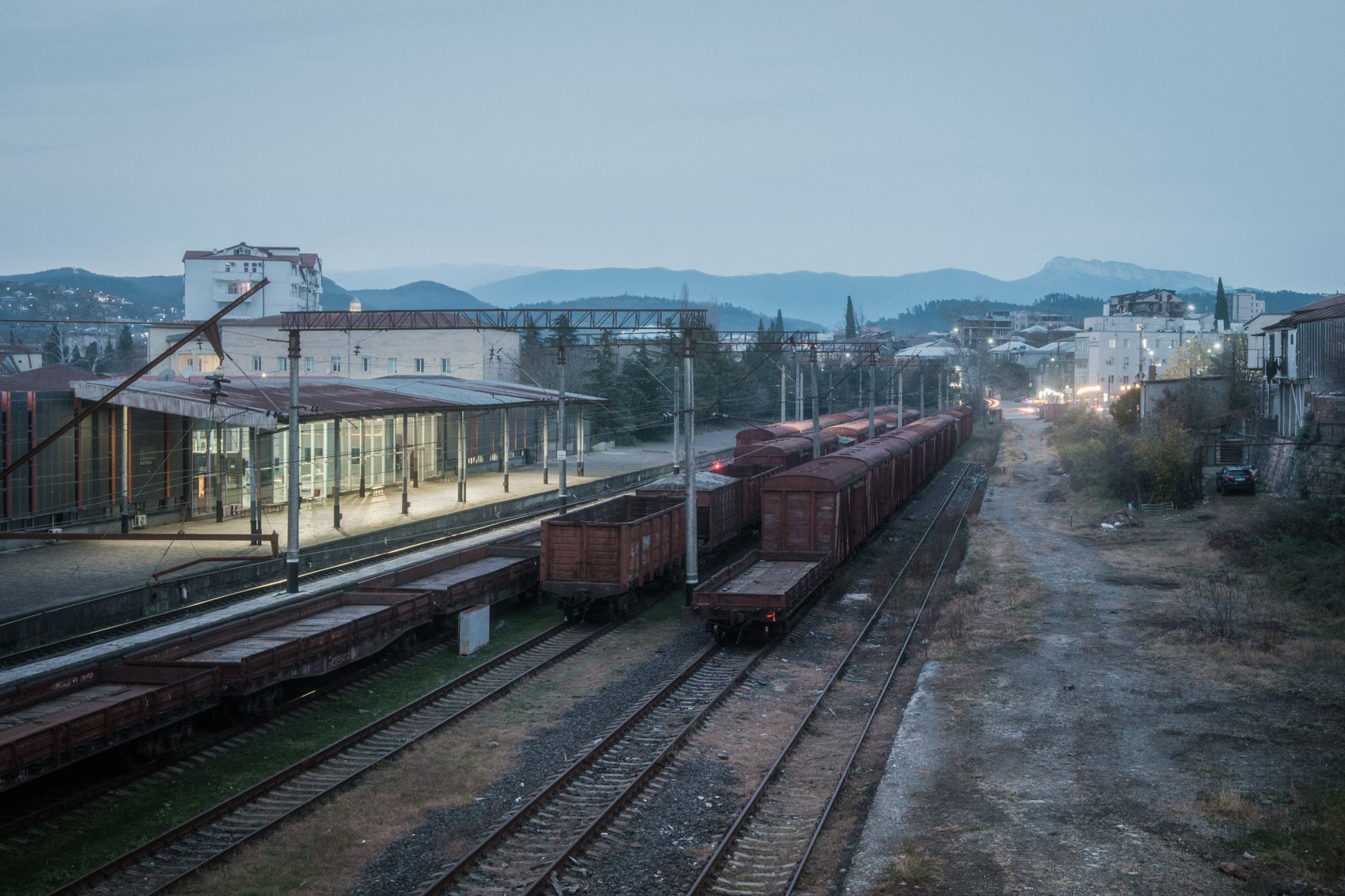
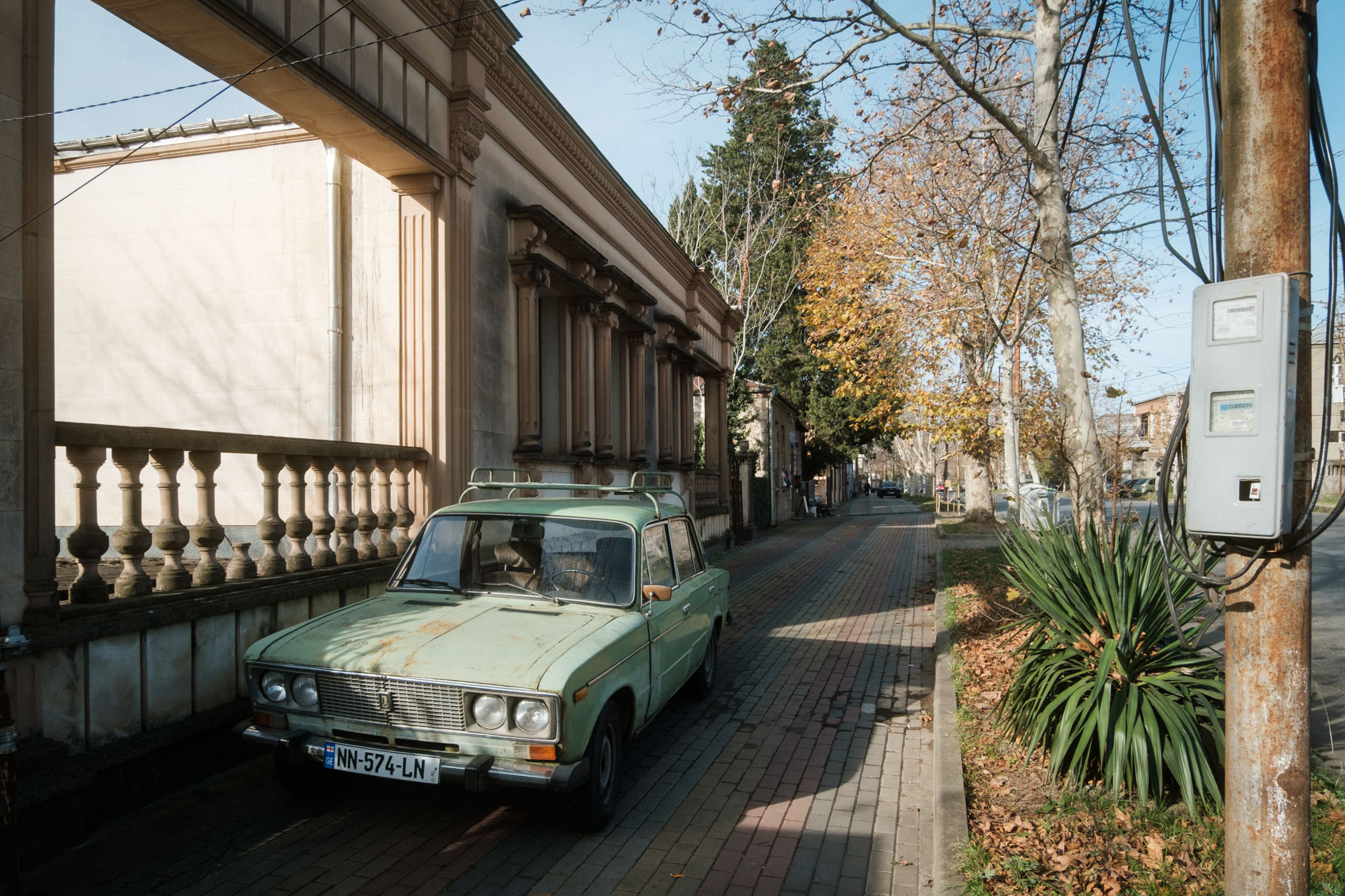
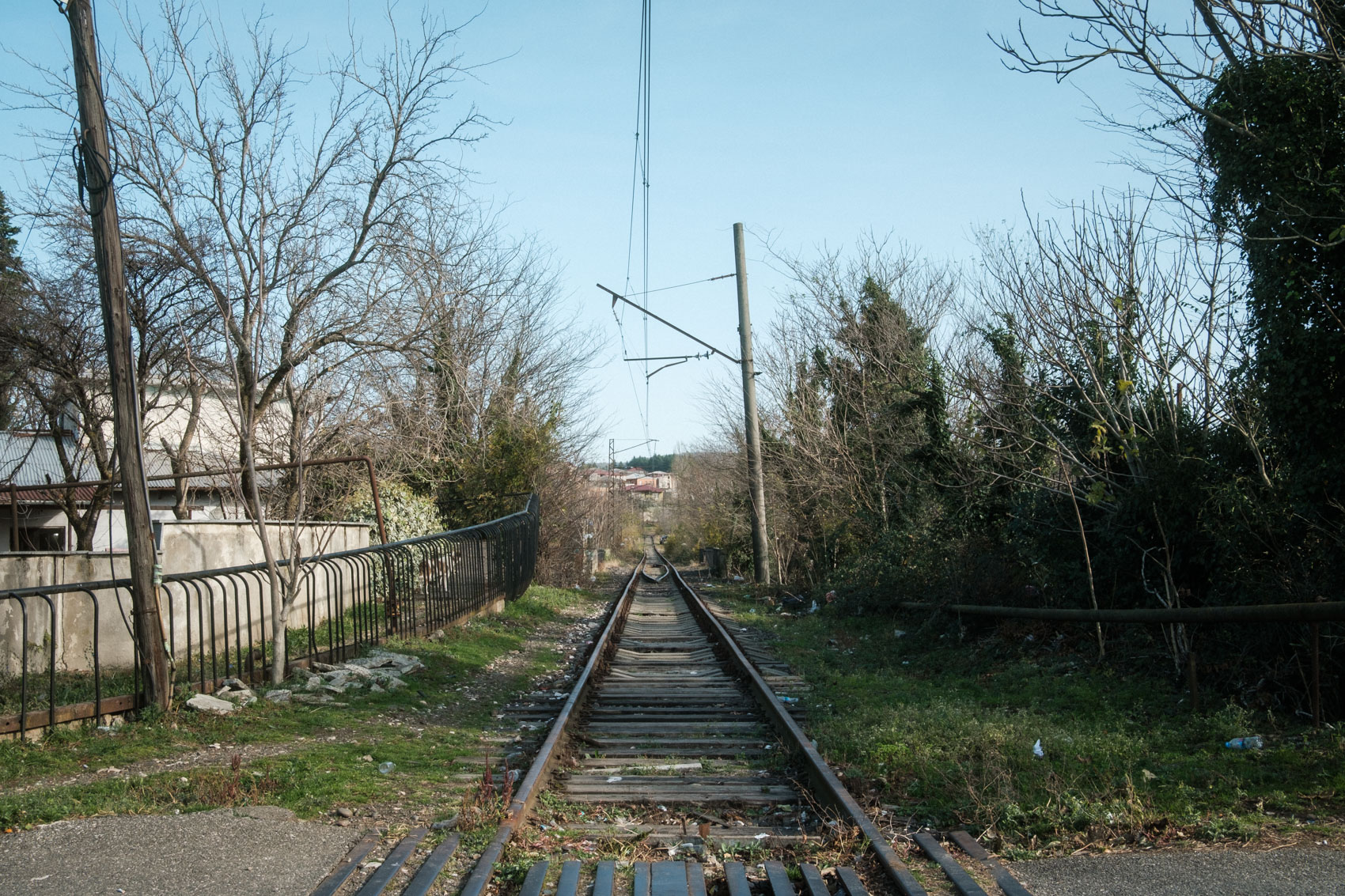
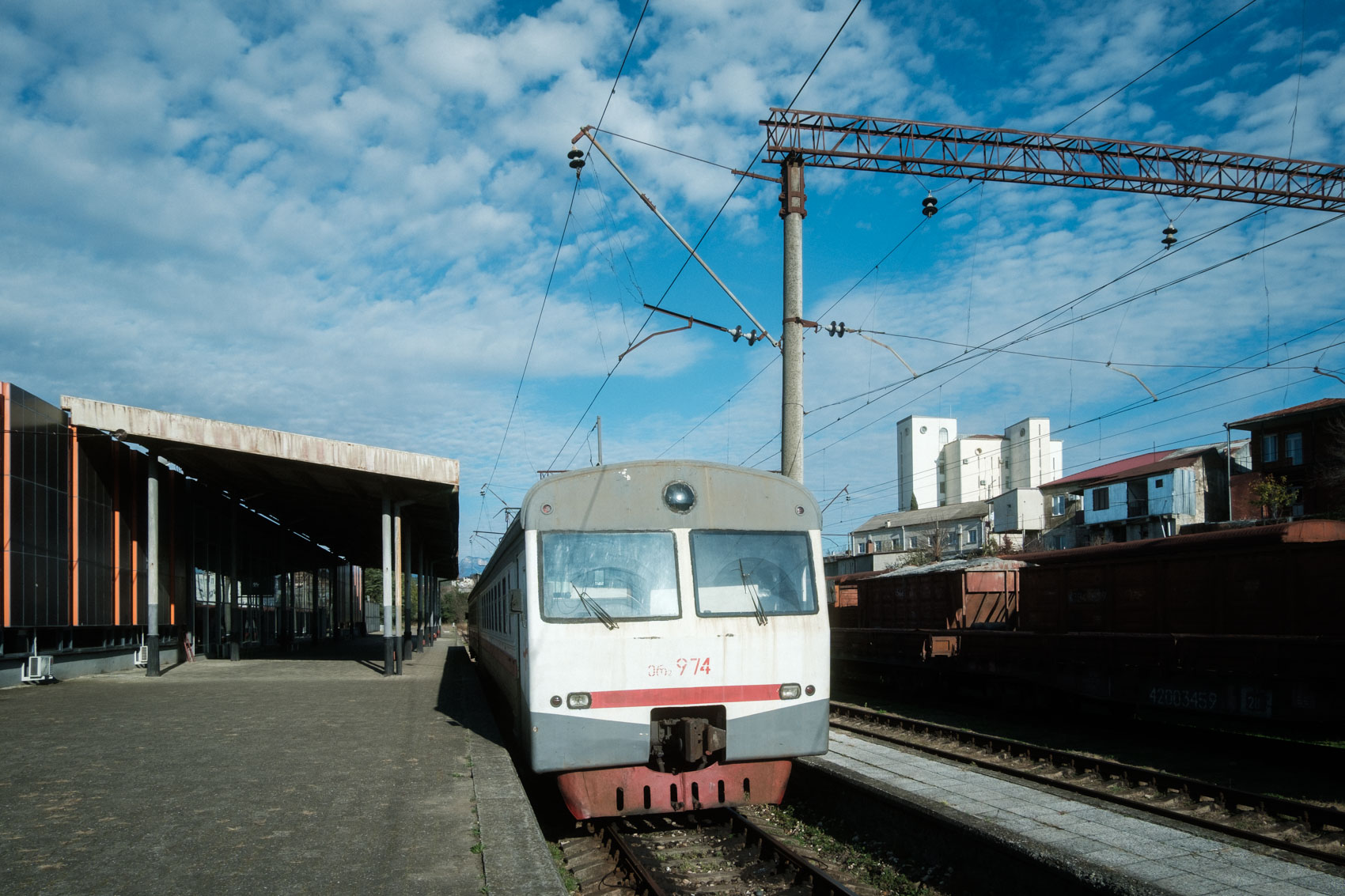
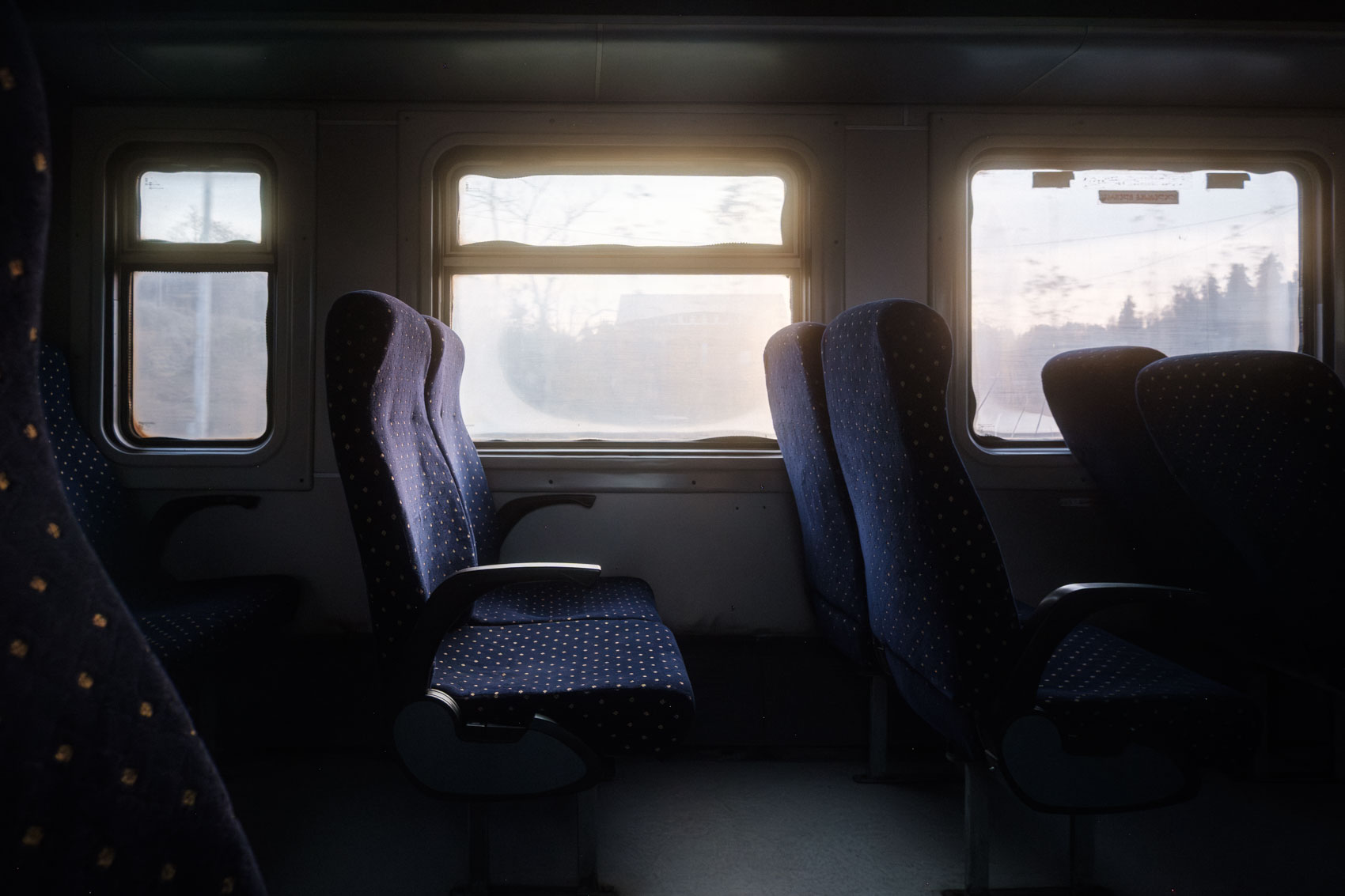
Another personal favourite of mine. Transport and its infrastuture reveals how a place moves and can make for fantastic people-free photographs.
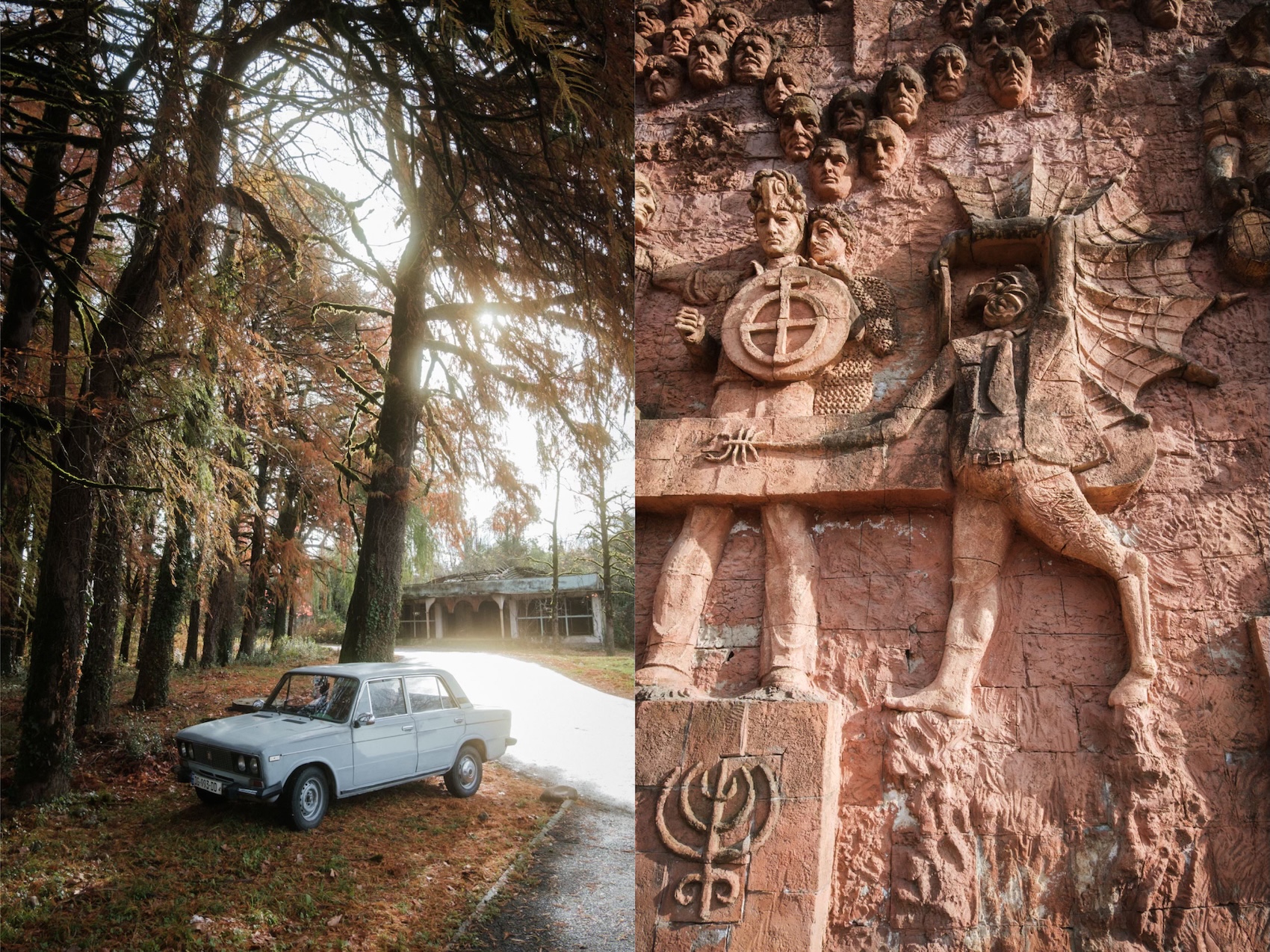
Trams, buses, trains, subway cars, and parked vehicles; these elements add rhythm to your images without the need for people. Be it an old car hinting at a place’s past, or a modern subway system speaking to progress, transport can tell a powerful story on its own in your photographs.
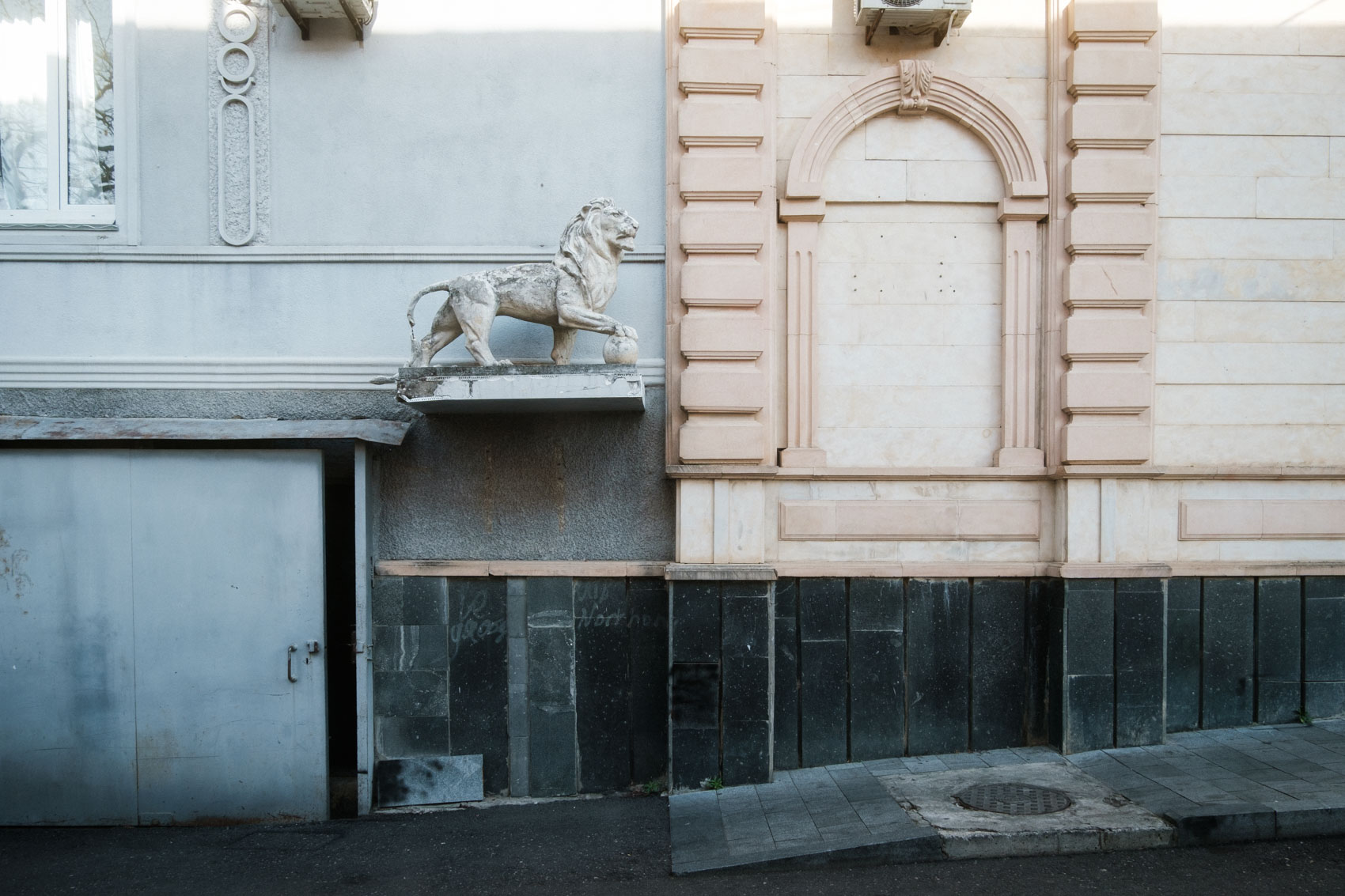
Monuments, Motifs, and Statues
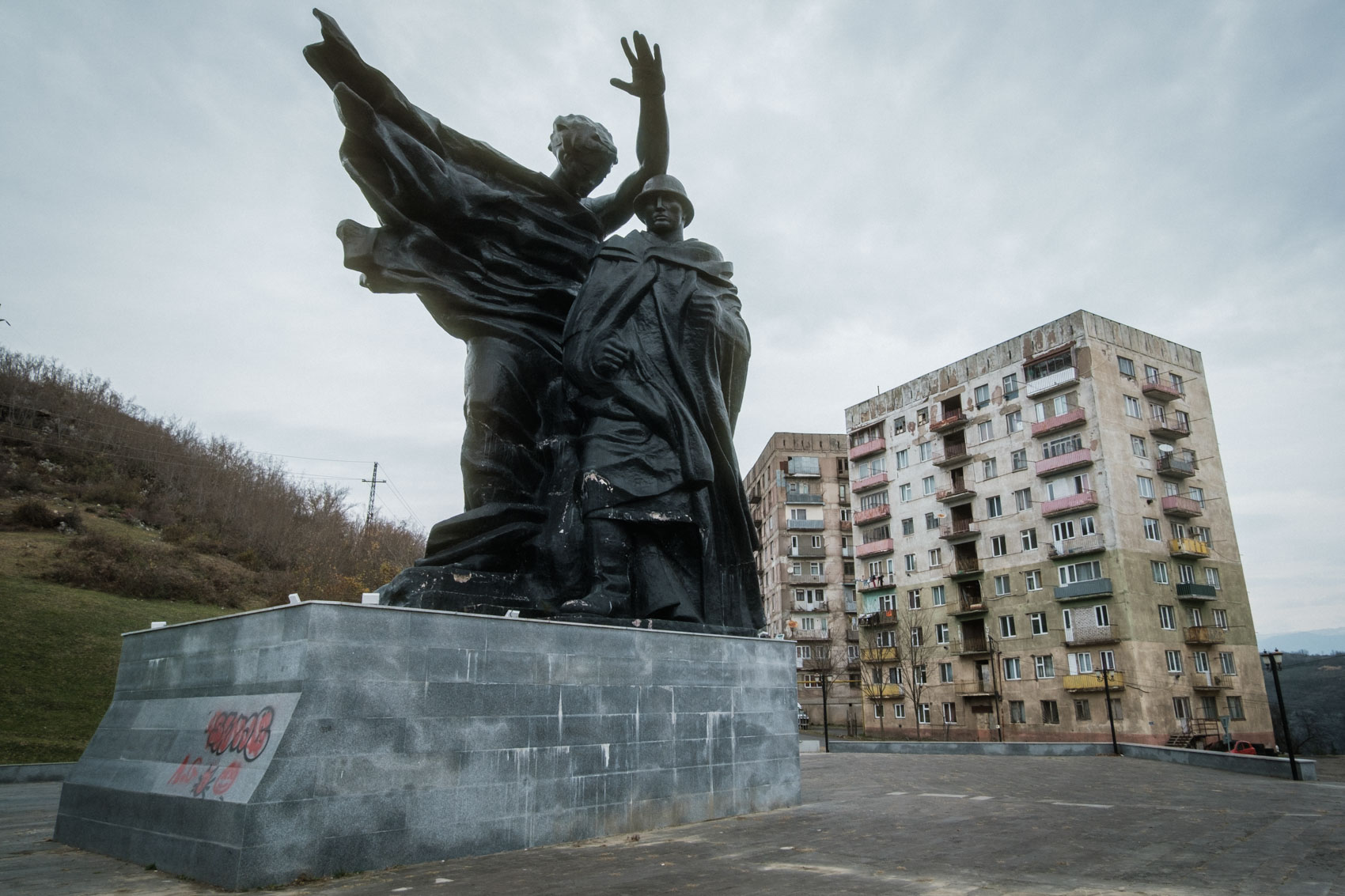
Monuments and statues don’t have to be boring subjects, far from it.
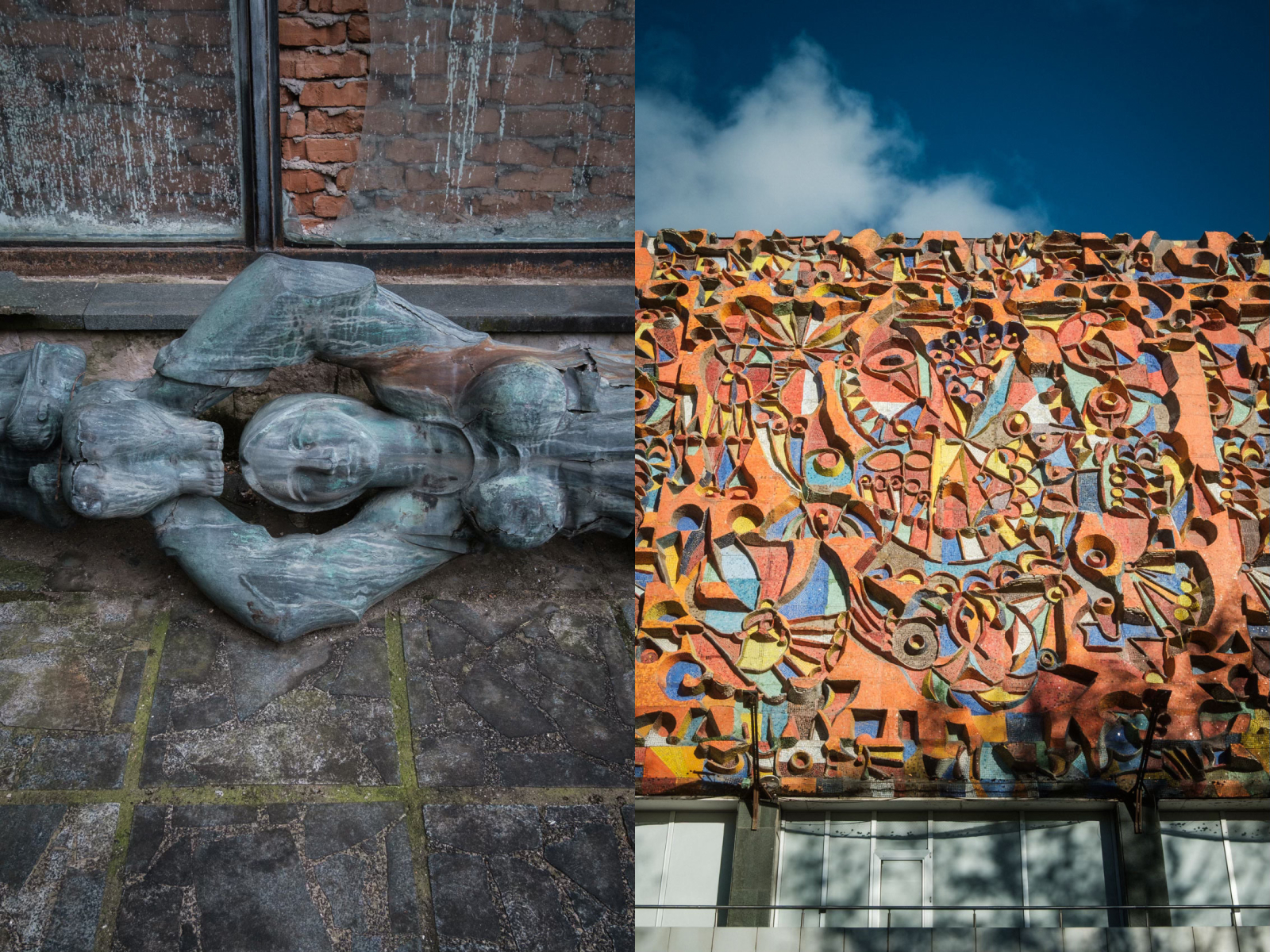
In some regions, they’re visually striking and deeply symbolic. When I’m in the Balkans, I seek out Yugoslav-era spomeniks (monuments) with their unusual forms. In the Caucasus, Soviet-era mosaics, motifs and statues fascinate me just as much. These are works about people, history, and identity, but you don’t need to photograph people to capture their impact.
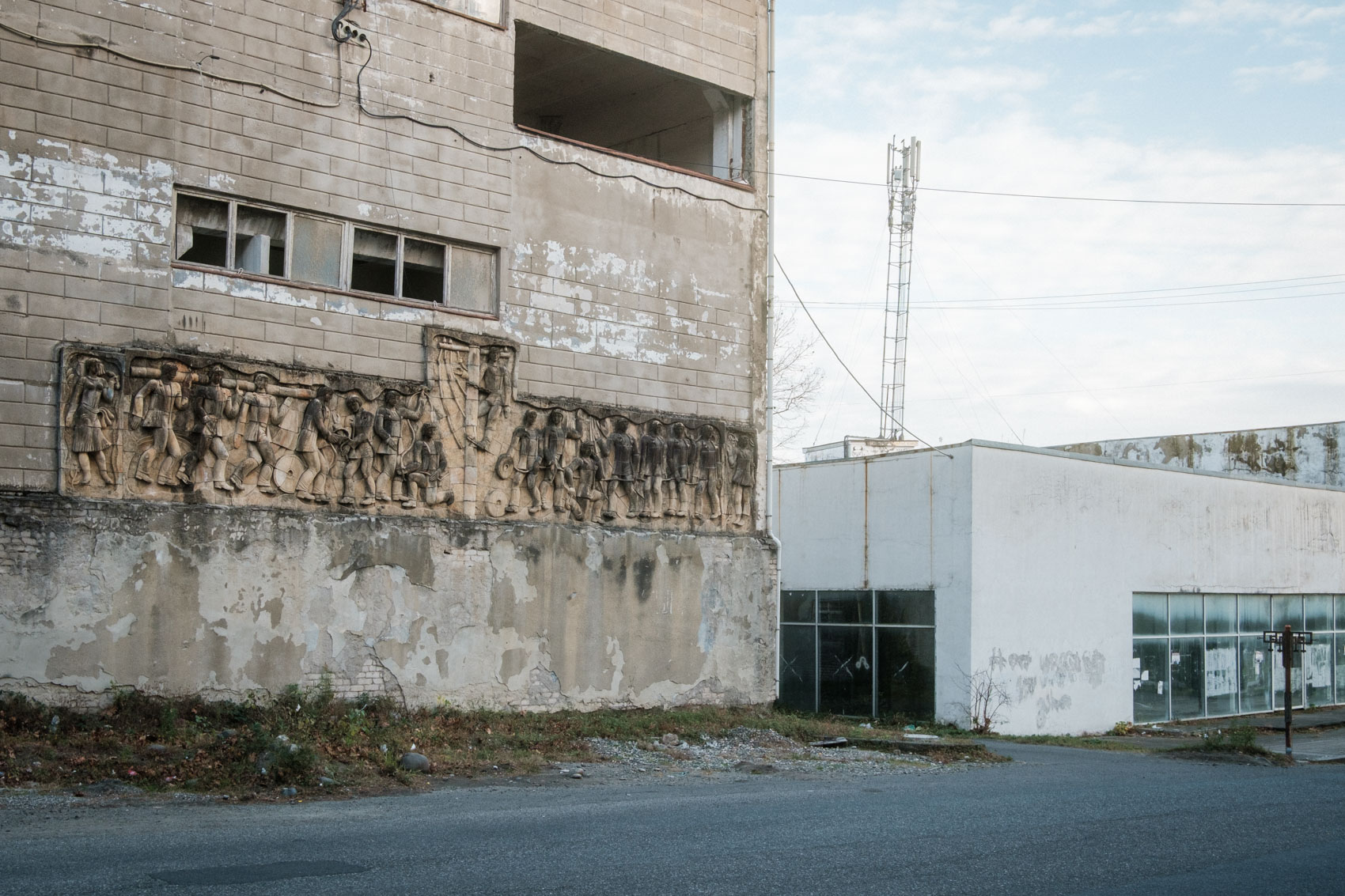
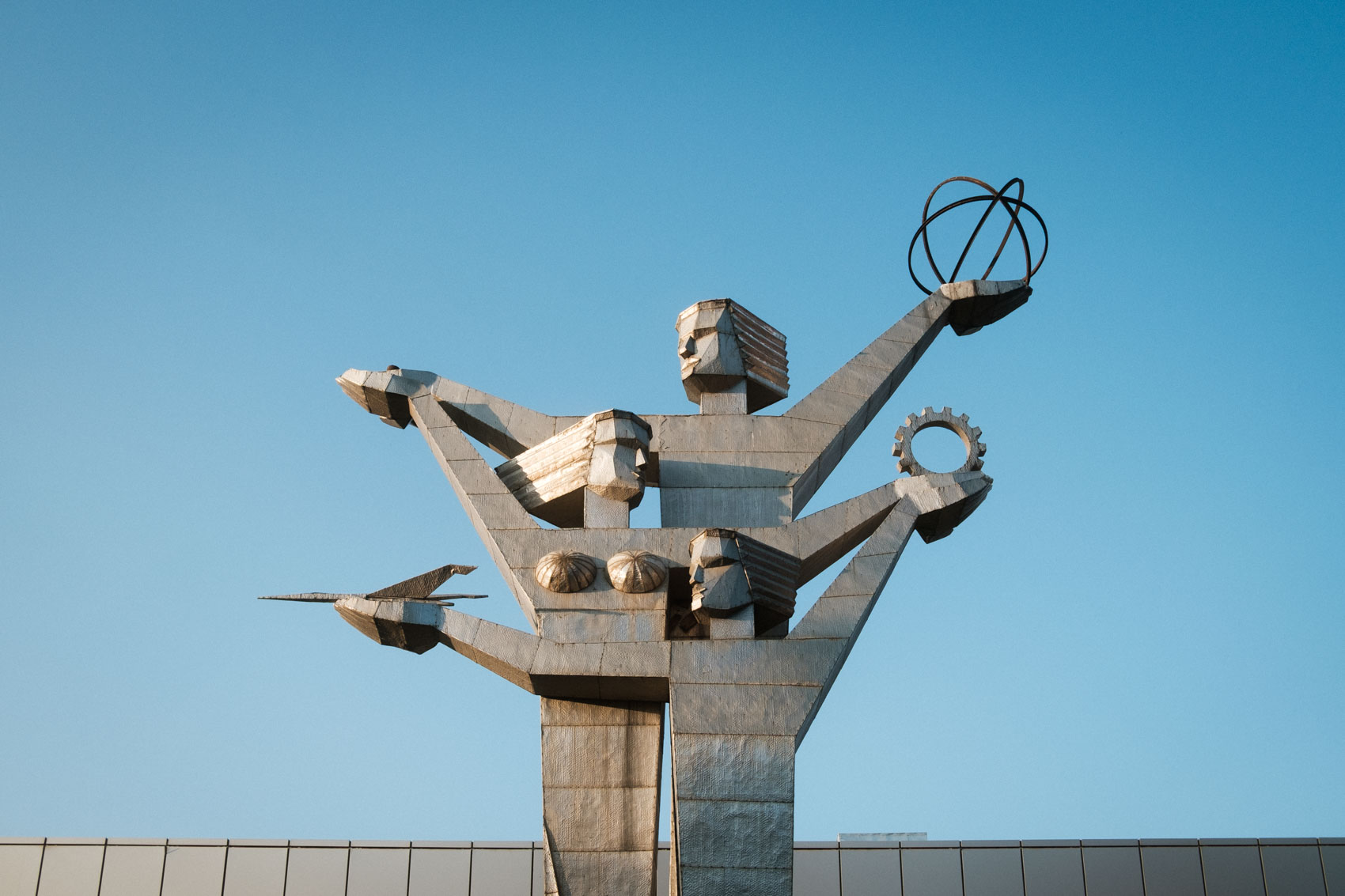
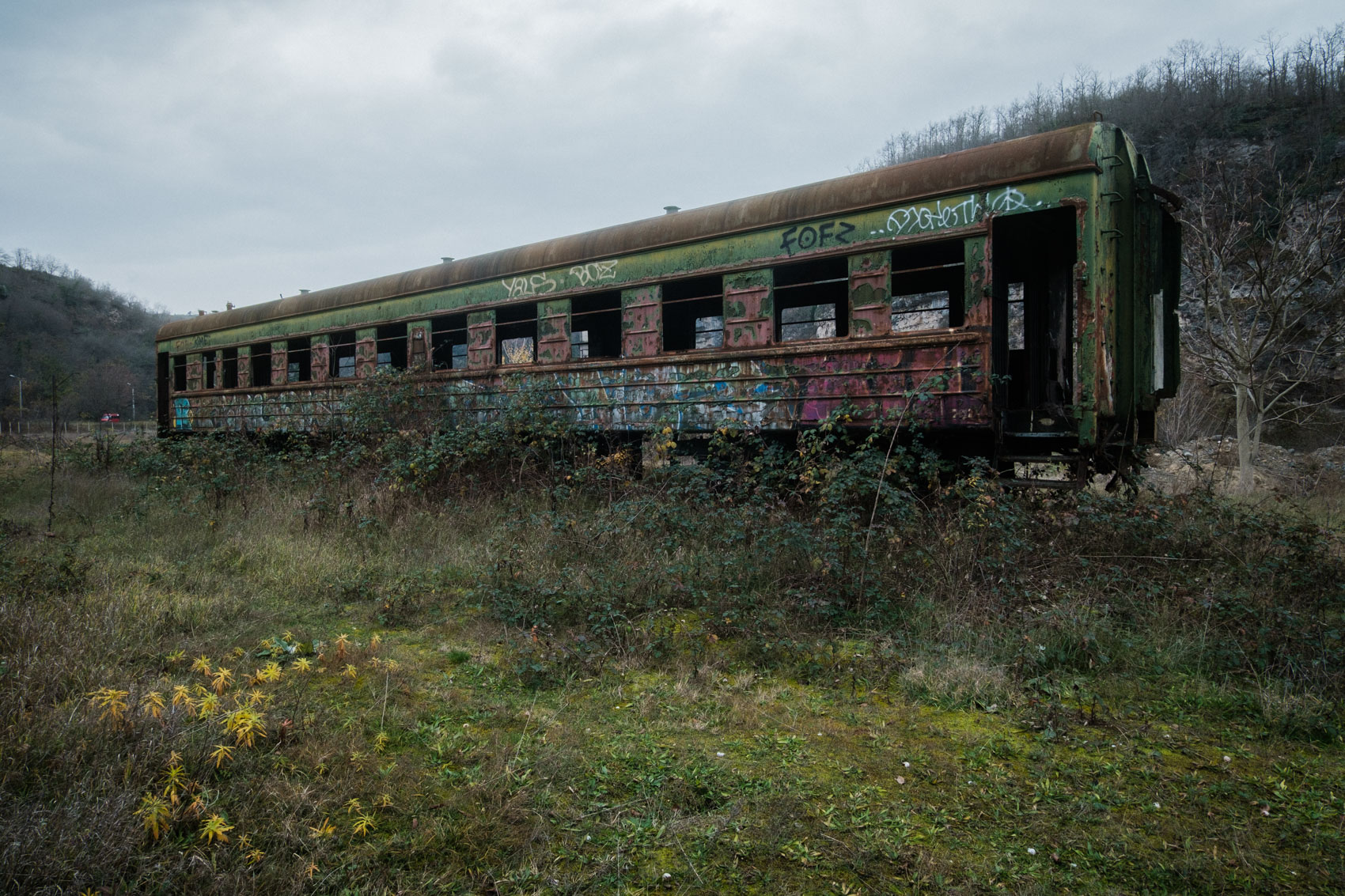
Abandoned Places
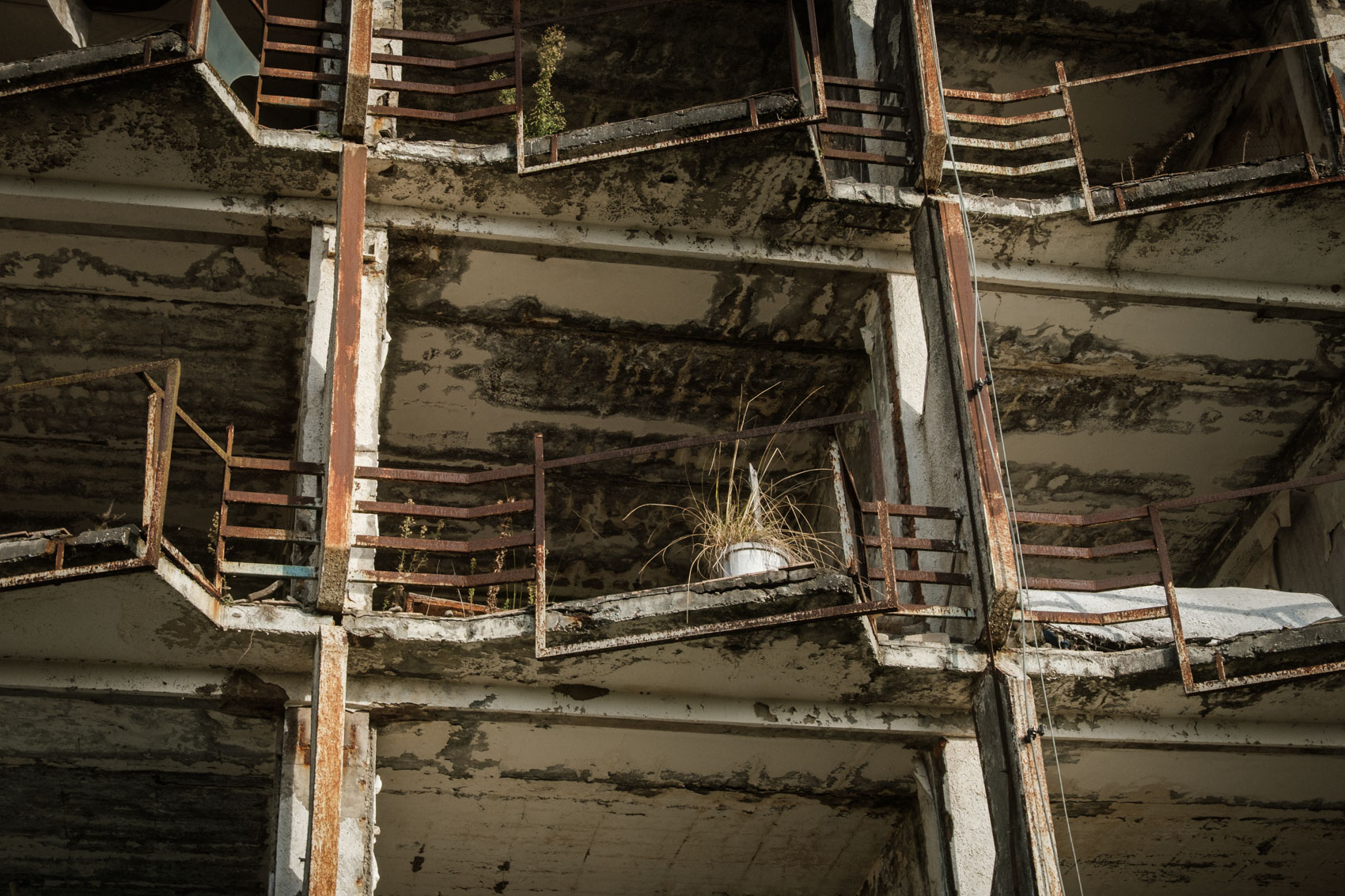
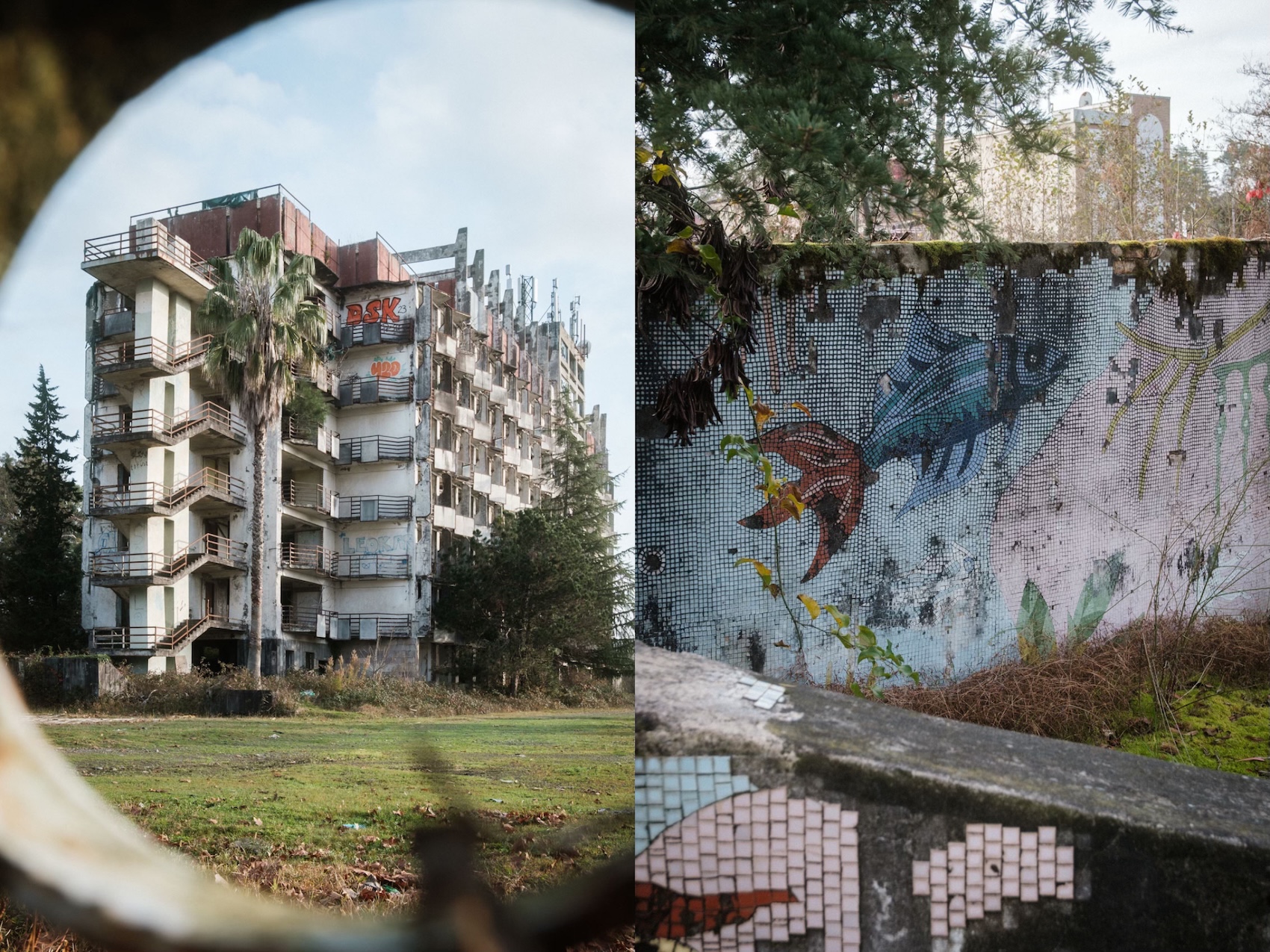
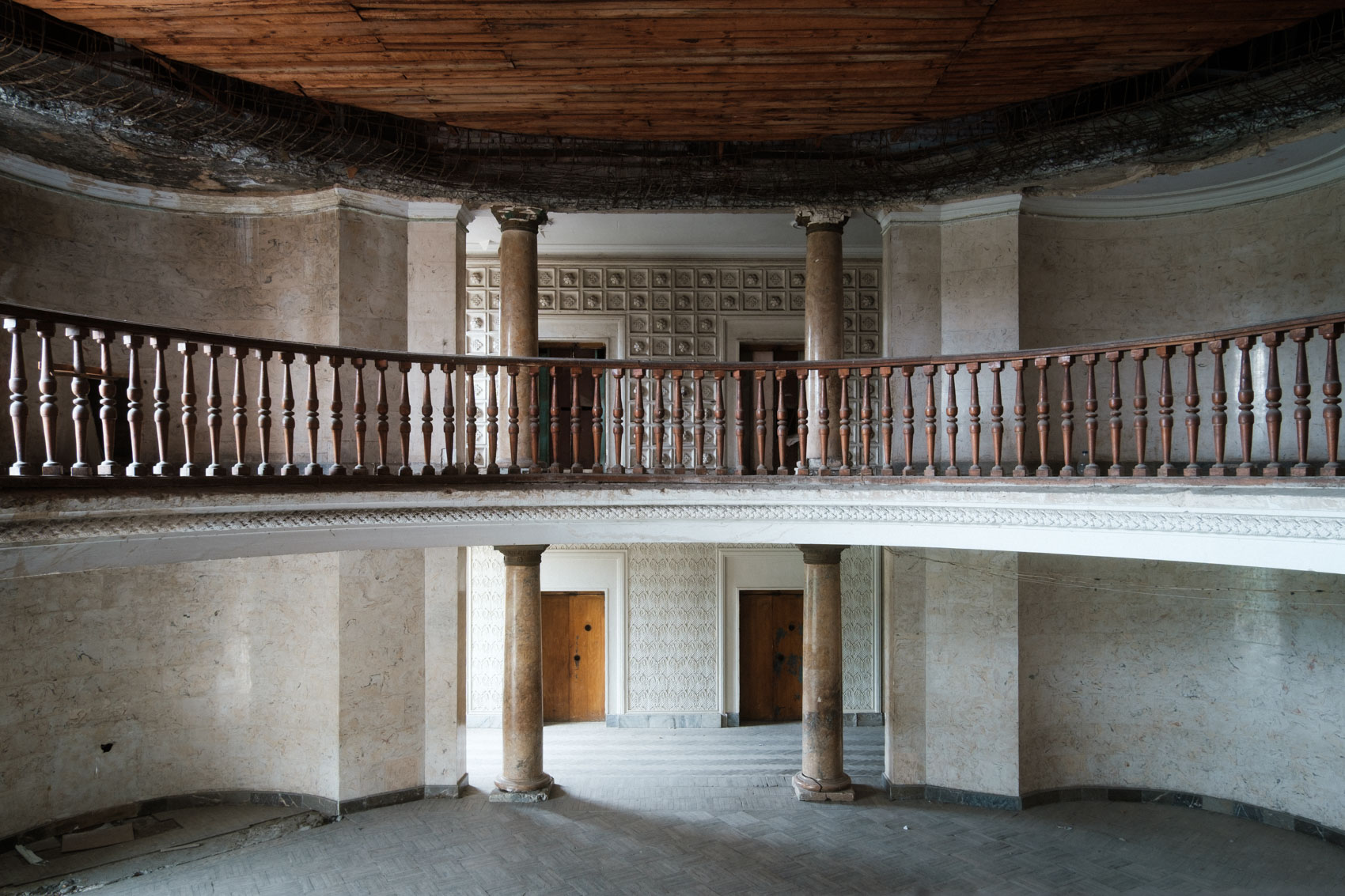
Abandoned spaces can say a great deal about a place. For example, they can tell a story about an industrial past, economic change and progress, or a bygone era.
If accessible and legal, these locations can slot naturally into people-free street photography. Just be sure to follow local laws, respect boundaries, and prioritise safety at all times.
Interiors
Interiors from the urban environmet, can be just as compelling as the street outside. Train stations, bus terminals (even inside transport), cafés, and other public spaces often feature beautiful architecture or unusual details.
If a space feels open and welcoming to photograph, don’t overlook it, interiors can add depth and variety to your urban work.
3 Easy Tips for Making People-Free Street Photography Your Own
1 Find Your Sub-Niches and Lean into Them
As I’ve touched on already, there’s no shortage of street and urban subjects that don’t involve people, and they can be just as compelling.
Pay attention to what you’re consistently drawn to. Maybe it’s doorways, decay, trains, abandoned spaces, or transport infrastructure. Whatever it is, lean into it and amplify it. A clear visual obsession, repeated over time, gives your work coherence, recognisability, and personality.
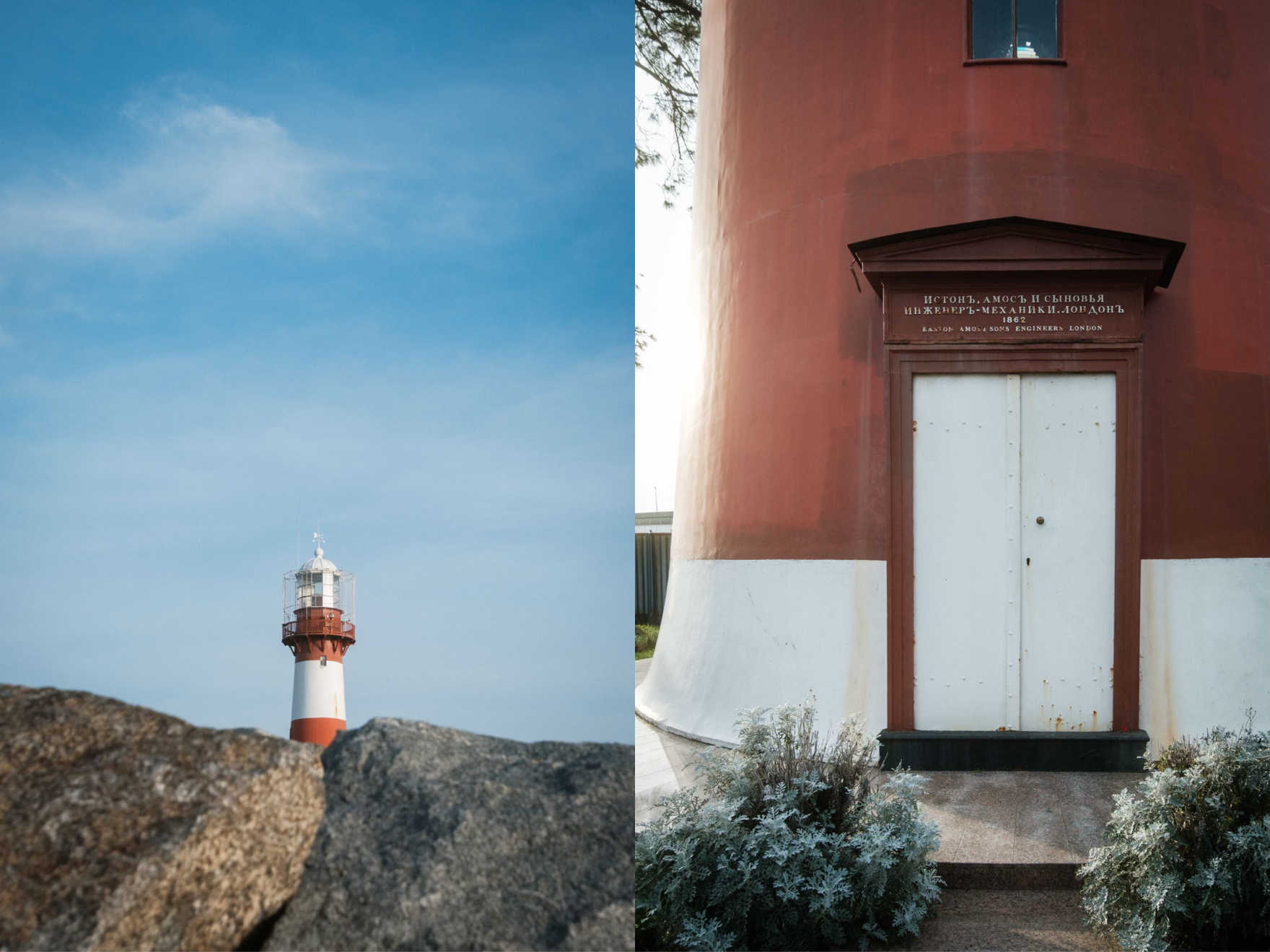
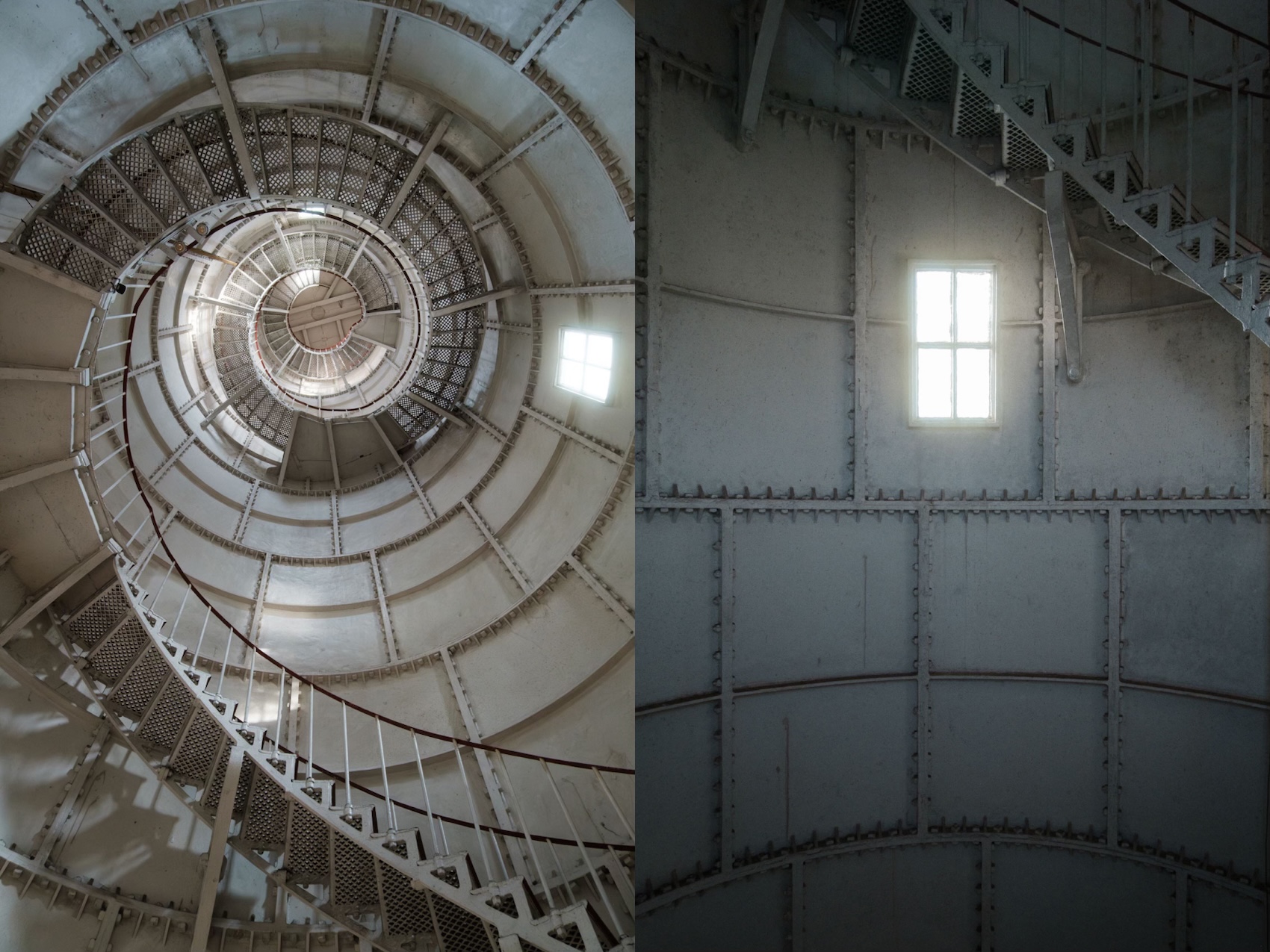
That recurring thread is often what turns a loose collection of images into a body of work. For me, some of these sub-niches include Yugoslav-era spomeniks, mosaics, brutalist structures, old cars, and even lighthouses (see the point below), which I find endlessly fascinating.
2 Create Small Photo Stories
Instead of looking for single standout images, try building small visual stories of multiple images over a common theme. A short sequence of images of a particular street, building, or details can often say far more together than any one image on its own.
This is especially effective when travelling. In one city, you might dedicate a series entirely to its doorways; in another, you could focus on architectural details in the metro system. You could even go further and build a series around a single colour. The key is to have fun with it. These small projects can naturally reflect your personal style and sharpen your skills along the way.
I’d also say this approach is often easier without people in the frame. Photographing empty streets or static subjects involves far fewer logistics than building a cohesive series of portraits or candid moments. That’s just my experience, but it’s one of the reasons this way of working has stuck with me.
3 Let the Absence of People be Part of the Story
If you think images without people are less engaging, think again.
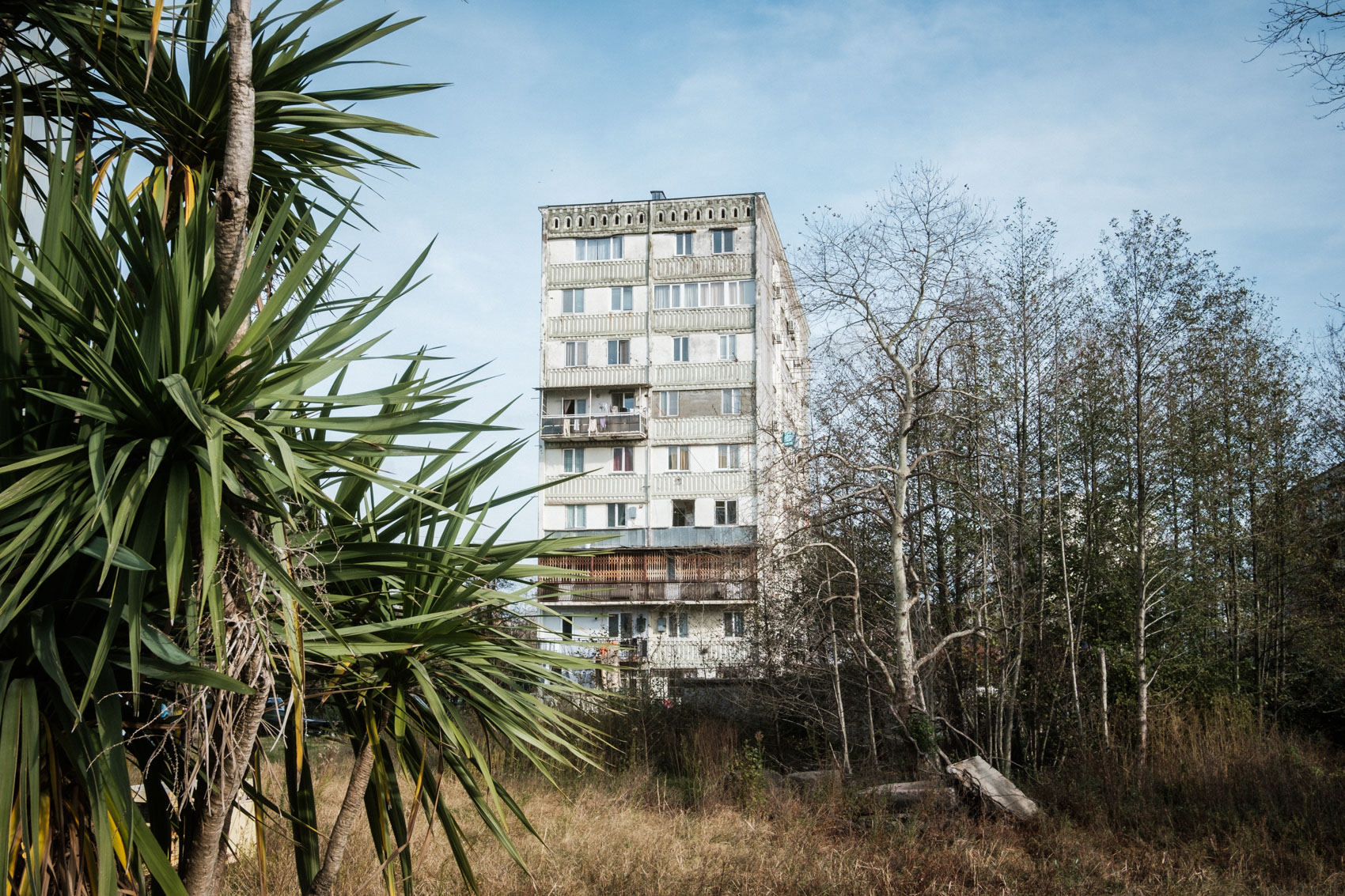
Absence can be incredibly powerful. When there’s no human figure in the frame, the viewer needs to reflect on the scene some more and fill in the gaps themselves, and can, in turn, deepen the connection with the image.
Final Thoughts: Photograph Streets and Travel Scenes in a Way That Suits You
Street, urban, and travel photography doesn’t have to look one way. You don’t need figures or crowds to make meaningful images from your explorations.
If you love photographing the urban envirnoment but are drawn to quieter moments, embrace that.
I would say just walk the streets, notice what catches your eye, and give yourself permission to photograph the environment as you experience it. You might be surprised how much there is to see when you stop looking for people. Your favourite streets and moments will look different to everyone else’s, and that’s exactly the point.
"...give yourself permission to photograph the environment as you experience it."
Give this a try too - next time you're out with your camera, choose one subject, theme, or visual obsession, and see where it takes you.
Finally, once you’ve got some images youre proud of, upload them to your Picfair Store, group them into an album, and let them sit together as a photo story of place. Over time, those quiet, people-free moments might become some of the most personal and recognisable images you make.


