


A long-term project changed everything about how I take pictures, and it could do the same for you. Here are five reasons to start one, told through my own ongoing seascape series, Coastal North
Kit Box
All cameras, lenses and Film Simulations used for images in this guide:
- Fujifilm X-T20
- Fujifilm X-T30
- Fujifilm X-T50
- Fujinon XC15-45mmF3.5-5.6 OIS PZ
- Fujinon XF16-55mmF2.8 R LM WR II
- ASTIA Film Simulation
- Classic Chrome Film Simulation
What Is A Long-Term Photography Project?
If you've never come across the term before, a long-term photography project is, simply put, a body of photographic work built around a single subject, theme or place, photographed over months or even years rather than in a single shoot.
That photography project could be anything, from a stretch of coastline, the same street corner through the seasons, a community, an animal, or even a colour. Honestly, the subject doesn't matter. What makes it a long-term photography project is simple: you keep going back to it over time.
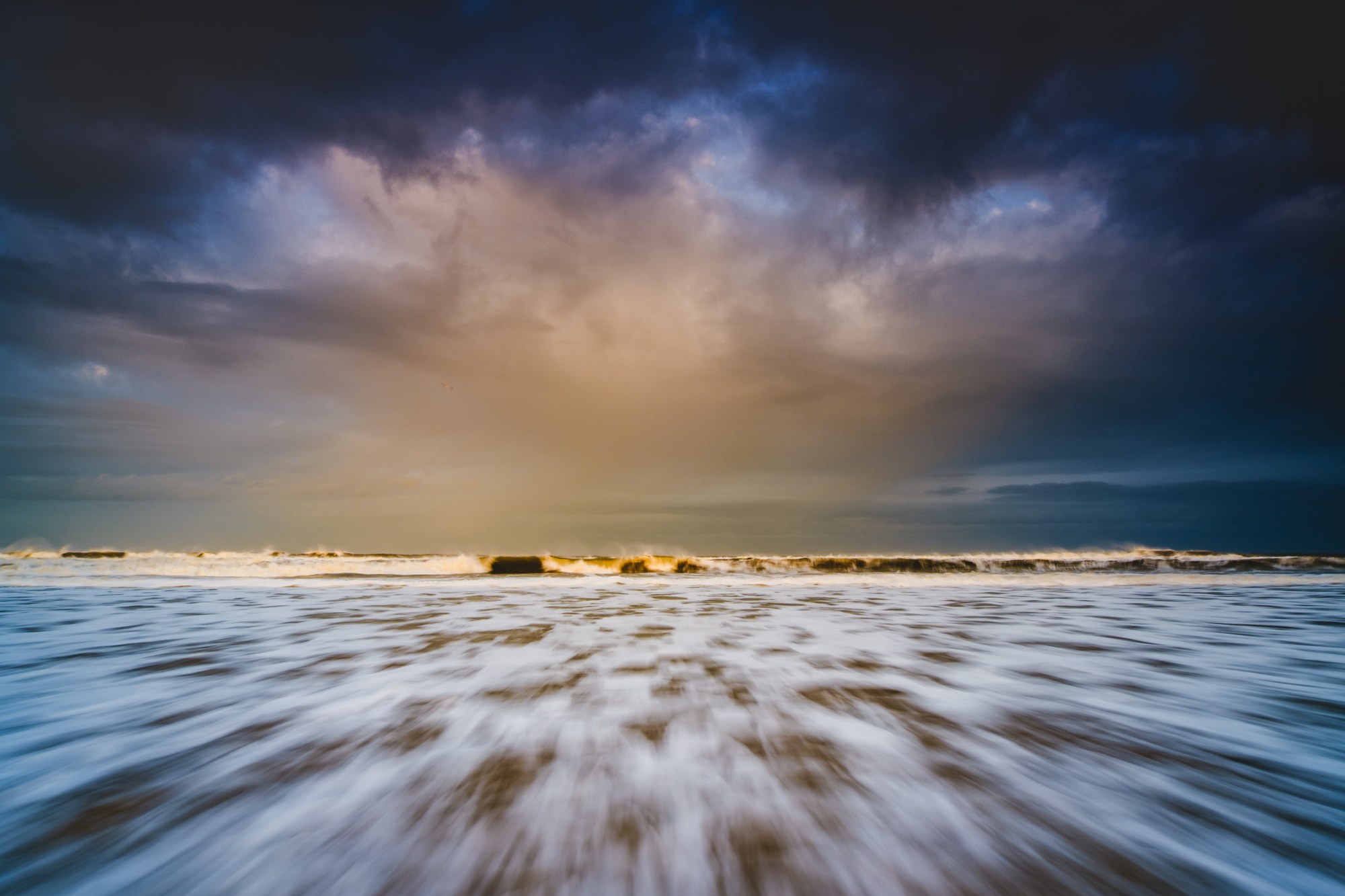
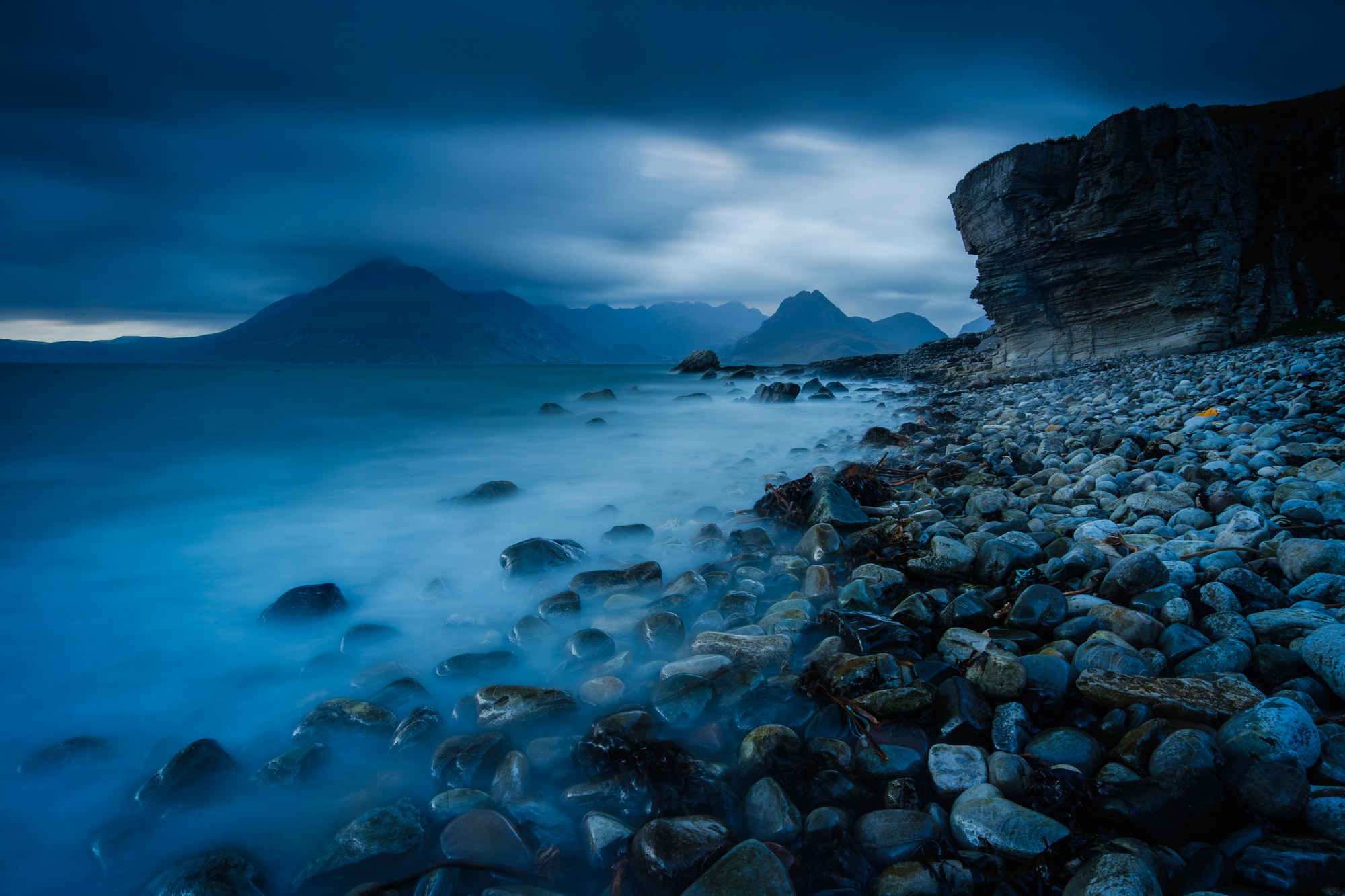
Here's an example from mine: Coastal North, an ongoing seascape project photographing the northern parts of the British coastline. It started in 2020 during COVID. After being stuck inside for so long, I found that going out to the stretch of coast closest to my house, standing there with my camera, getting gorgeous long-exposure shots, and breathing in the sea air felt so therapeutic, and I got some beautiful work that I was genuinely proud of, too. From there, it grew and I started looking at different areas of the coast, mapping out interesting locations, finding off-the-beaten-track spots, and eventually building up a body of work that spans a multitude of locations and over five years of work. More importantly, it's a body of work that represents what I'm interested in as a photographer, in what I like to feel is my signature style too.
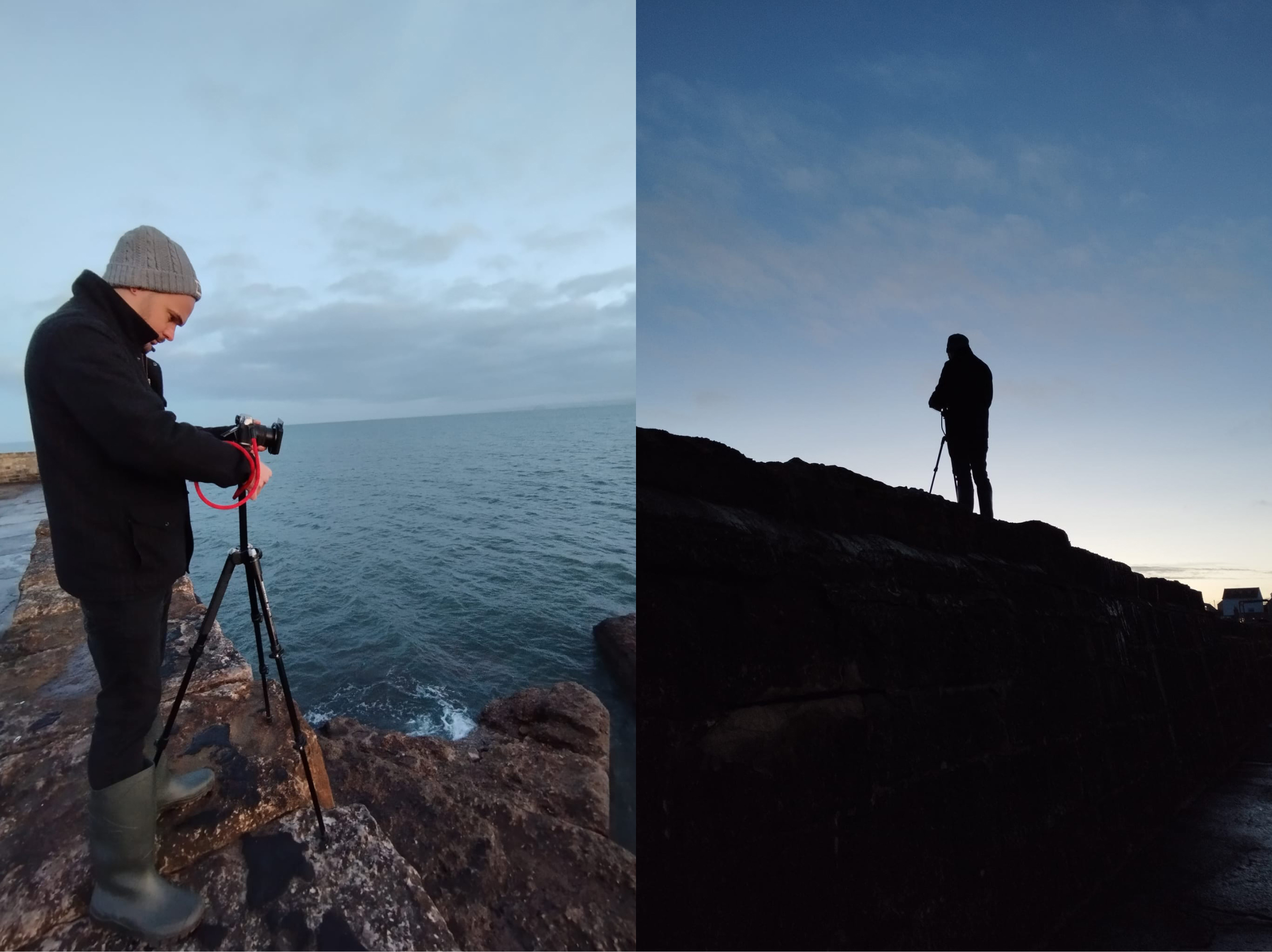
And that's really why I wanted to write this article and speak to other photographers about why starting one is such a good idea. There are so many benefits to taking on a long-term project that I'd encourage any photographer to start one, no matter where you are in your journey.
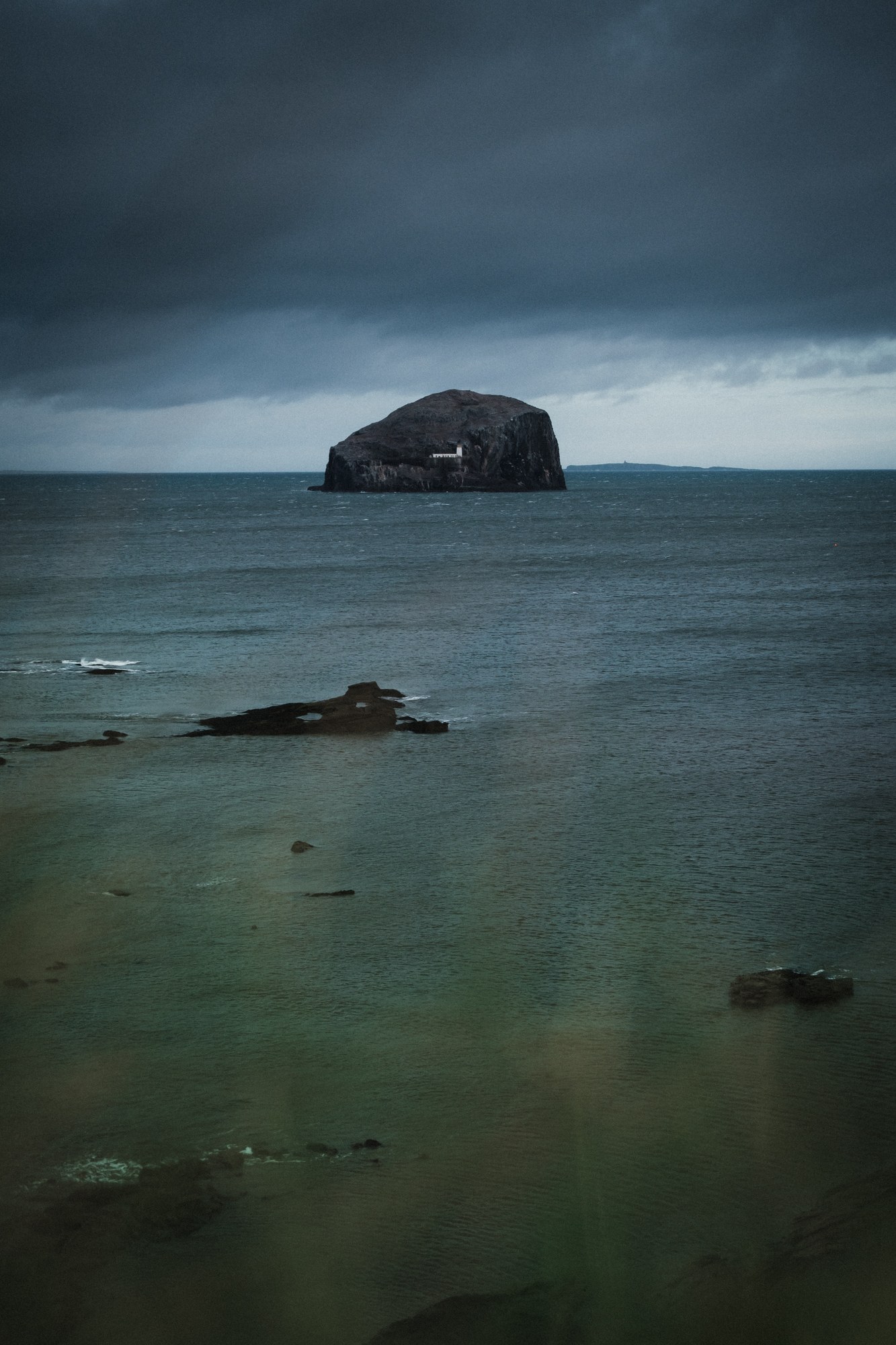
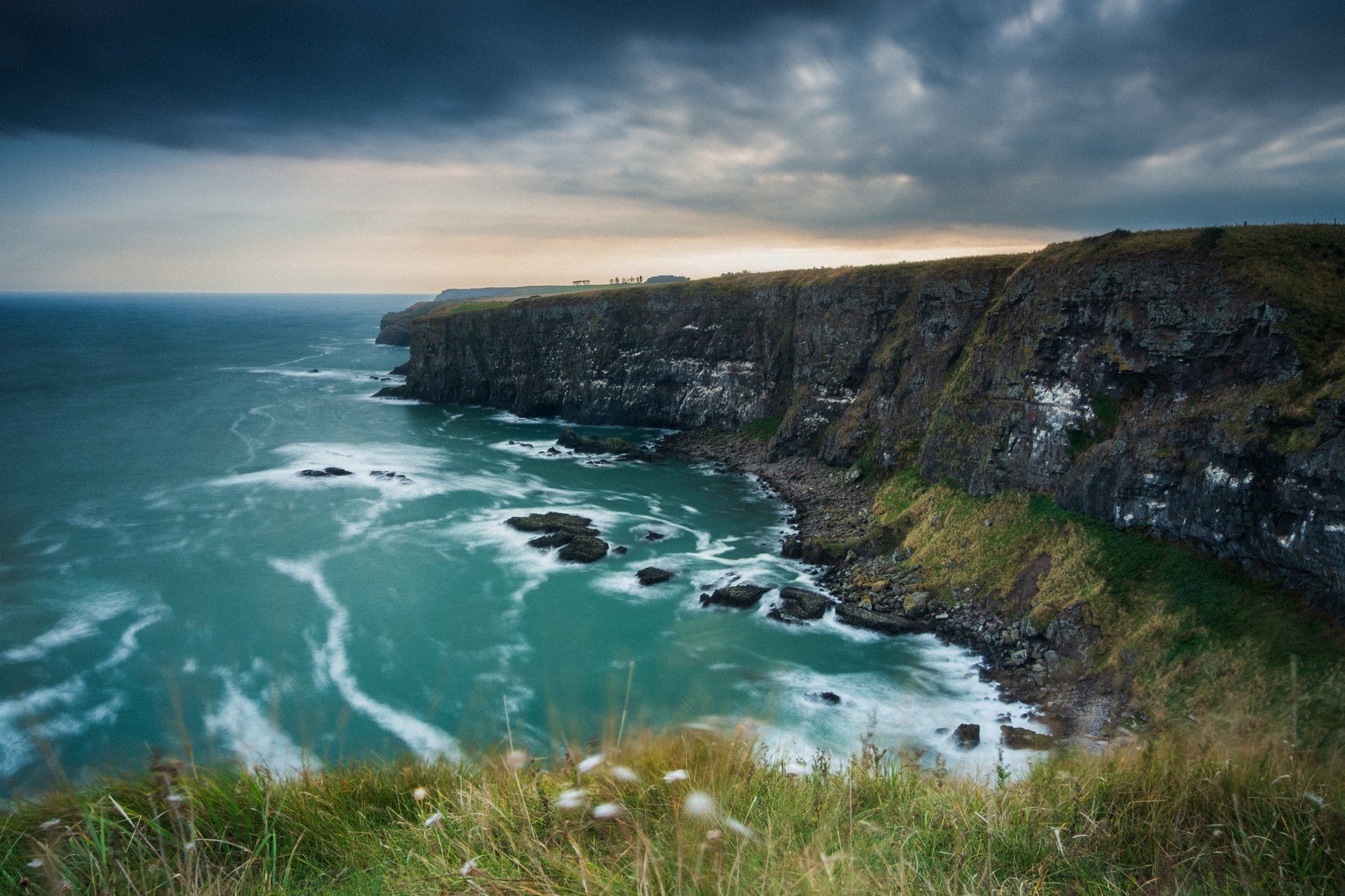
Throughout this article, you'll see a selection of images from the series, spanning locations from Northumberland and the Wirral up to Skye and Orkney. I've included the full EXIF data and the capture date with each one, partly because I always find that useful when I'm looking at someone else's work, but mostly because the dates tell their own story here. There are several years between the earliest and most recent frames, and that gap is really what a long-term project is all about.
All of the images have been shot on Fujifilm, from the X-T20 I started with right through to the X-T50 I carry now. When I look at the body of work as a whole, I can see how much my skills have improved over the years, and I'm proud of so many of the images. It's a really great feeling.
Here are five reasons why I would strongly encourage you to start a long-term photography project:
1 A Long-Term Photography Project Gives Your Work A Purpose And A Sense Of Direction
With a long-term photography project, you know what you're shooting, and you've got something to plan and aim for. For example, with my Coastal North project, I never have to wonder what I'm going to shoot; that's already been decided. The only questions I have are which destination, what the weather is like, when the light will be best, and what the tide times are.
We've all been there. Your camera's sitting there, waiting to be used, but you have no idea what to shoot, leaving you feeling deflated and demotivated. Well, a long-term project is the solution to that.
"There are so many benefits to taking on a long-term project that I'd encourage any photographer to start one, no matter where you are in your journey."
A long-term project makes half the decisions for you, and it can bring you to some really interesting places and people. Through Coastal North, I've found coves and bays I never knew existed, had many places completely to myself, seen some of the most amazing light changes, photographed incredible structures like lighthouses, pillboxes, and shipwrecks, and experienced just about every type of weather there is at the coast. And no matter what type of photography project you decide to pursue, I guarantee you'll find something similar that opens up so much for you.
It might sound restrictive, but it's the opposite. Rather than taking pictures of everything and ending up with a memory card full of nothing in particular, you're working towards something much bigger. That little bit of direction and purpose changes everything.
2 A Long-Term Project Gets You Out Taking Pictures (And Enjoying It More)
One of the most difficult parts of photography is finding the motivation to just get out the door. Inspiration is unreliable, and a long-term project gives you something better: a reason to go out and take pictures.
When you decide on what long-term project you want to pursue, you'll find exactly the same.
There have been plenty of days when I "haven't really been feeling it" and would have quite happily stayed at home. But the thought of finding and experiencing another great location for Coastal North got me into the car anyway, and I've rarely regretted it. Even on the trips where I come home with nothing usable (that can happen, just FYI, but it's just part of it all), the experience is still enjoyable: being outdoors, watching the sea, seeing somewhere new, and getting some exercise while I'm at it.
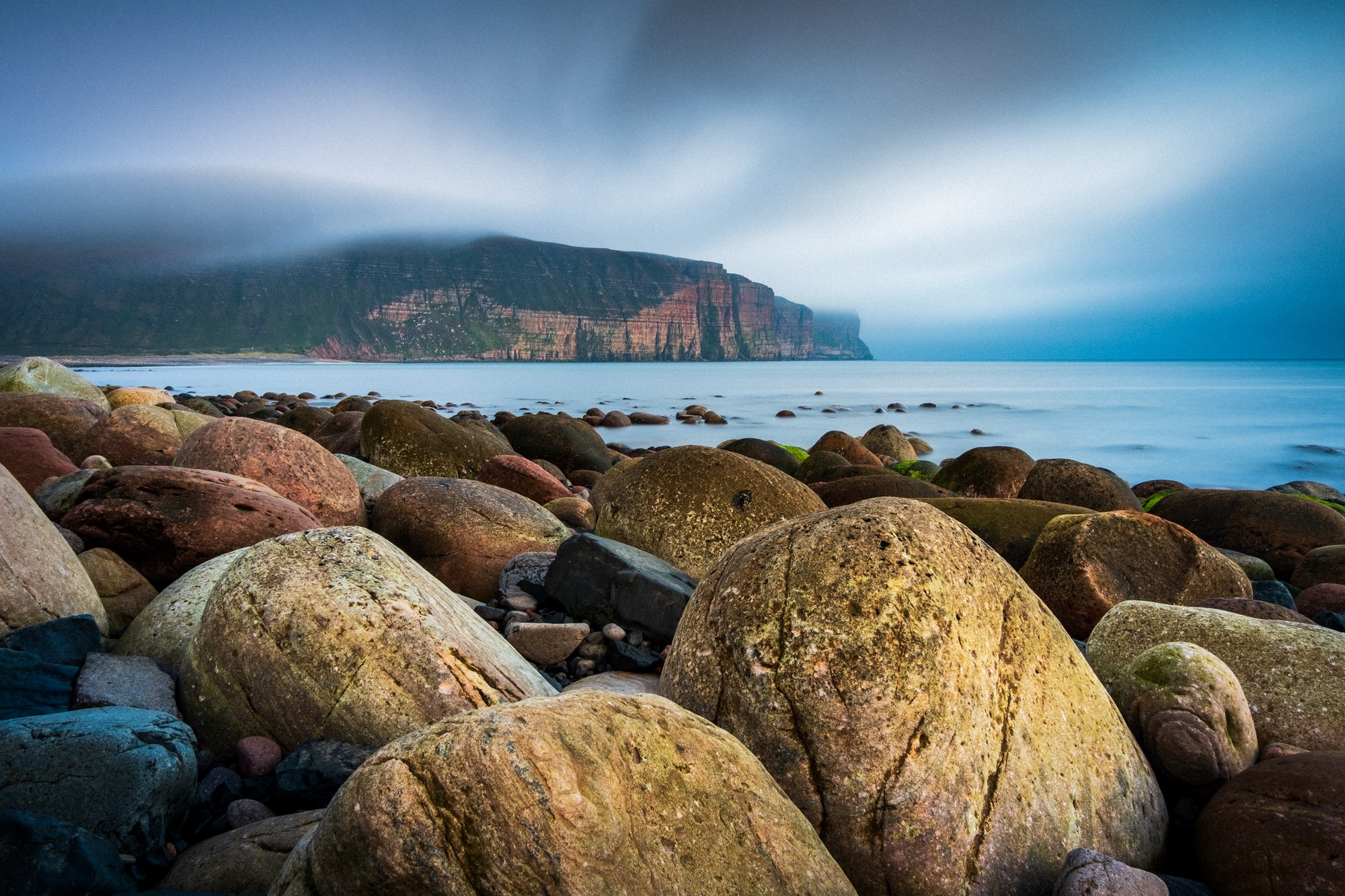
A lot of my Coastal North project involves getting to quite inaccessible places, but that discovery and exploration is part of the fun too (for me, anyway). The image below from Rackwick, Orkney, was a journey in itself to get there, but it was totally worth it.
3 Your Photography Skills Get Better With A Long-Term Project, and You'll Actually See It Happen
Every photographer will improve the more they get out there with the camera; none of that is new. However, with a long-term photography project, you can see the improvement right in front of you.
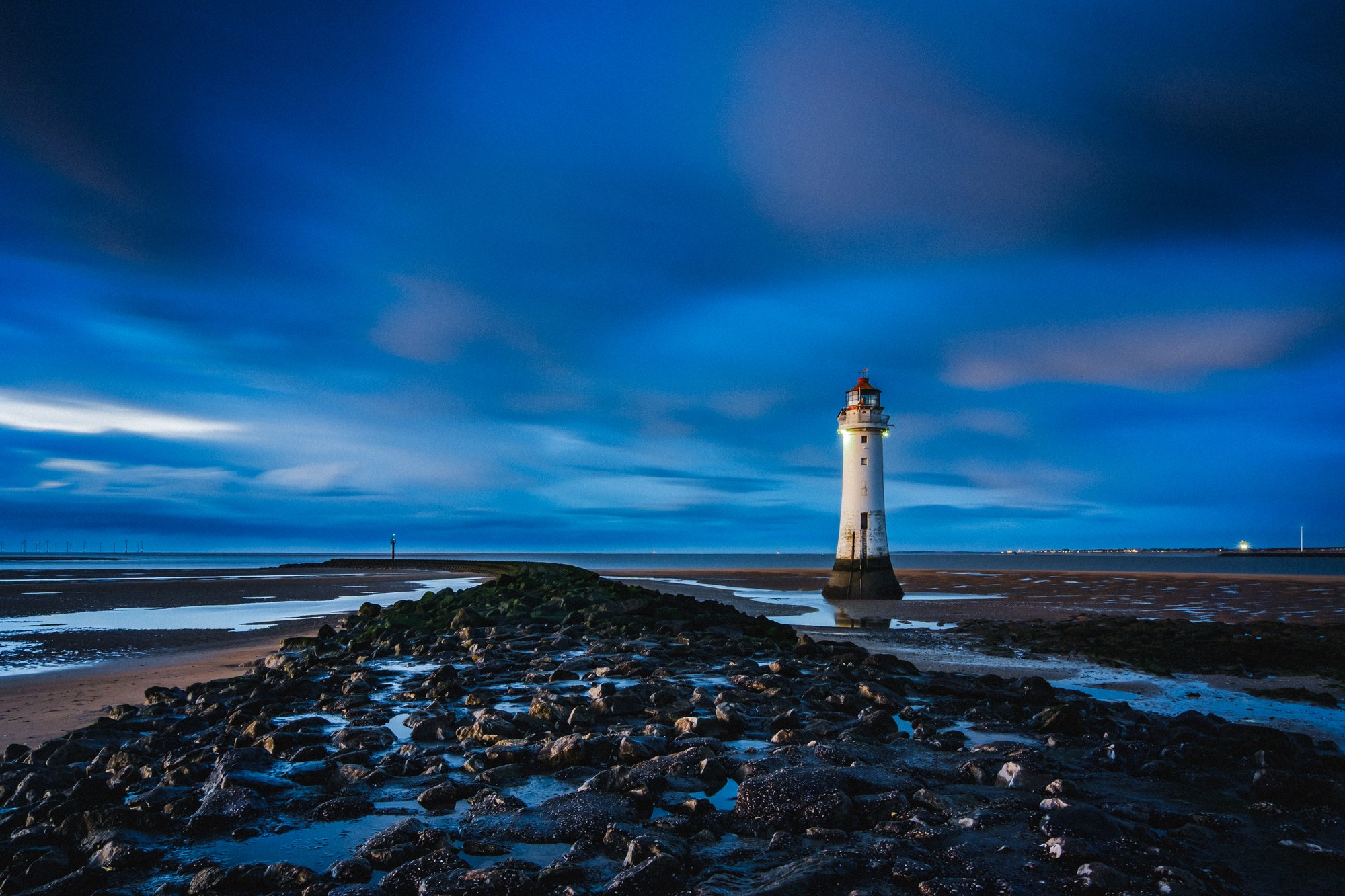
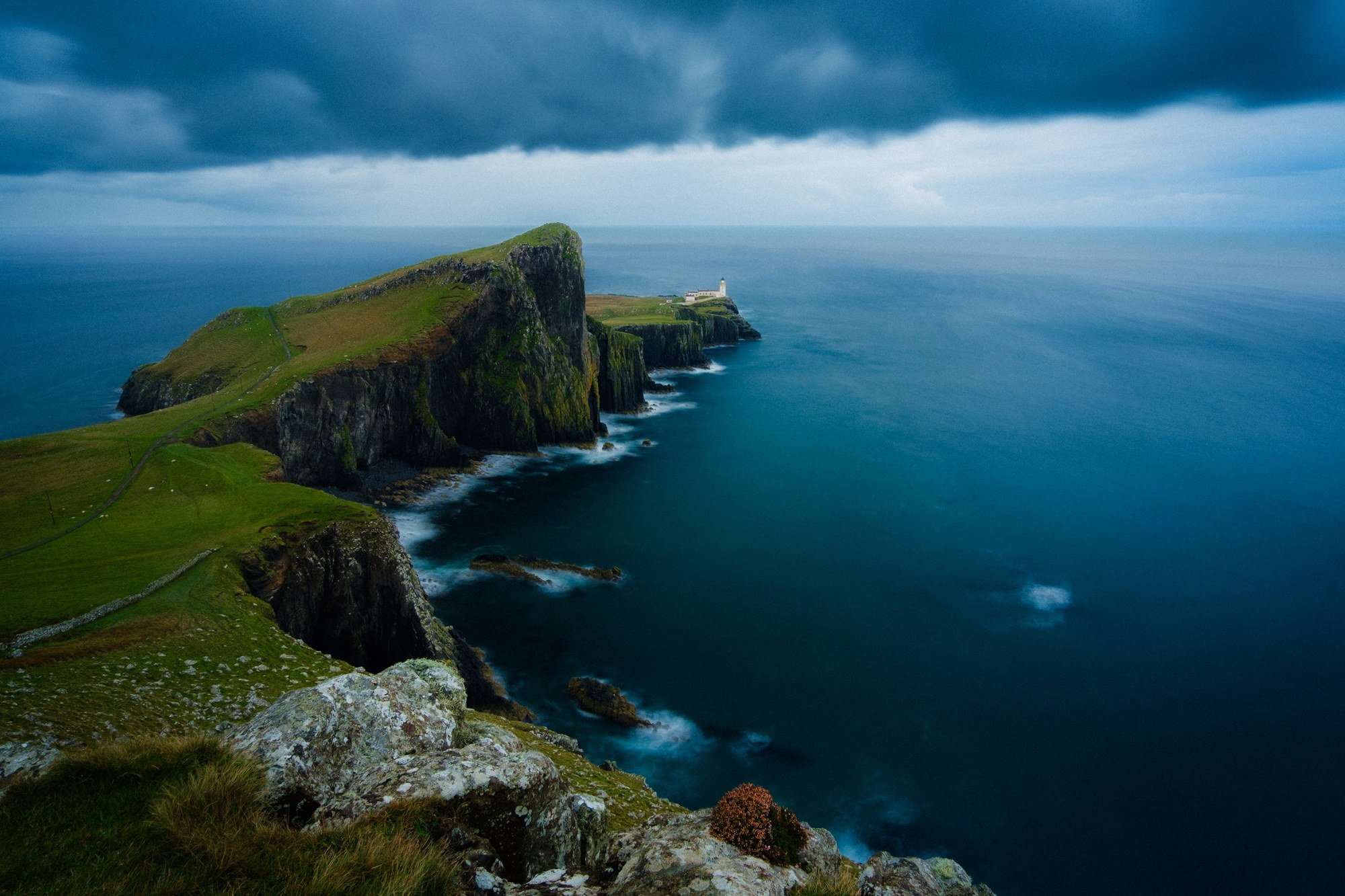
The reason is that you're photographing the same subject over a long stretch of time, so your early work sits right alongside your recent work, and the difference is impossible to miss. When I look back at the first Coastal North images I made on my X-T20 in 2020, I can see exactly how far my compositions, my timing with the light and my editing have come.
There's another side to this, too. Returning to similar places, subjects, and conditions again and again builds proper, deep skills. You learn to read the light and compose your subject at its best, and you find that repetition is where the real learning happens.
4 You Can Become Known for Your Photography Project
The photography world is a crowded place, and being "a photographer who takes nice pictures" is a tough way to get noticed. Being "the photographer doing that coastline project", or whatever project you choose to pursue, is a lot easier.
A long-term project gives people something to attach your name to. Think about the photographers whose names you actually remember. More often than not, it's because of a body of work, not just one picture.
And you don't need to be aiming for fame for this to matter. Even within a camera club, an online community or your own Picfair Store, having a recognisable ongoing project makes your work memorable. It gives people a reason to keep an eye on what pictures you take next.
5 A Long-Term Photography Project Can Open The Door To Publishing And Exhibiting
While this one may take longer to achieve, it might be the most exciting reason to pursue a long-term photography project.
Individual photographs, however good, are often hard to publish or exhibit on their own. That's not always the case, but it's the general consensus. However, bodies of work are a different story. A long-established, rich photography project is exactly the kind of thing that magazines want to feature, what gets exhibited in galleries, and what photobooks and zines are made of.
A long-term project is, by its very nature, a body of work in progress. Every shoot adds to something that could one day become a zine, an exhibition, a feature, or a book.
Since starting my Coastal North project, I've also had one of my images displayed at the Glasgow Gallery of Photography for their coastal exhibition (and had I not gained the confidence with my project, I would never have submitted my work), and been published in Outdoor Photography magazine in a feature on photography locations. Again, had I not pursued my project and discovered these unusual locations, I would never have submitted my editorial idea to the magazine, but in the end it paid off. I'm not saying this to brag, but to simply demonstrate that your long-term project can open doors for you and give you the confidence to put your work out there. The next step is to make a zine of the work, or at least a first attempt at one.
I would say, too, that the more you do with your photography project, the more your aspirations grow.
Even if publishing or exhibiting your photography feels light-years away right now, the door is open in a way it simply isn't when your portfolio is a pile of unrelated one-off images. So keep that in mind every time you add to your project.
How Do I Start A Long-Term Photography Project?
First, start with a subject that's easy for you to get to and genuinely interests you as a photographer: that could be a local coastline, a neighbourhood, a building, a form of transport, a community, really anything. The key here is that you have a genuine interest in it and it's accessible to you.
It's also worth giving the project a working title, as it makes it feel real from the start. Then commit to returning regularly, even when conditions and timings aren't perfect.
Keep all your images together in one folder, Lightroom Catalog, or collection, so you can keep tabs and watch the body of work grow. Don't worry about the end goal; that can come later. Just keep going back to it and get out there with your camera.
Final Thoughts
I really hope the reasons listed above have given you the inspiration to pursue a long-term photography project.
The key to a good long-term project is having a subject you genuinely care about, somewhere or something you can keep coming back to, and a bit of patience as the work builds. Mine is the northern British coastline. Yours might be at the end of your street.
Pick something, commit to it, and give it time. I can't tell you where your project will end up, but I can promise your photography and, most importantly, your enjoyment of photography will be better for it.


