


Shutter speed decides whether movement in your photo is frozen sharp or blurred. Our visual guide explains the scale, what each speed does, and which settings suit wildlife, street and night photography

Shutter Speed Explained
Shutter speed is how long your camera's shutter stays open. Fast freezes movement. Slow blurs it.
Most speeds are fractions of a second. 1/1000s is one thousandth of a second, so it's very fast. Wheras a slow shutter speed of 30s (seconds) is much slower.
How shutter speed affects your image
1/1000 second
FrozenThe subject is pin sharp. Good for sport and wildlife.
1/125 second
Mostly sharpA good everyday speed. But fast-moving objects start to soften.
1/8 second
MovingA moving subject smears. Everything else stays sharp.
2 seconds
SilkyThe moving subject almost vanishes. Use a tripod for these long shutter speeds
A bigger number means a faster shutter speed
1/500s is faster than 1/50s. Faster freezes more, but lets in less light.
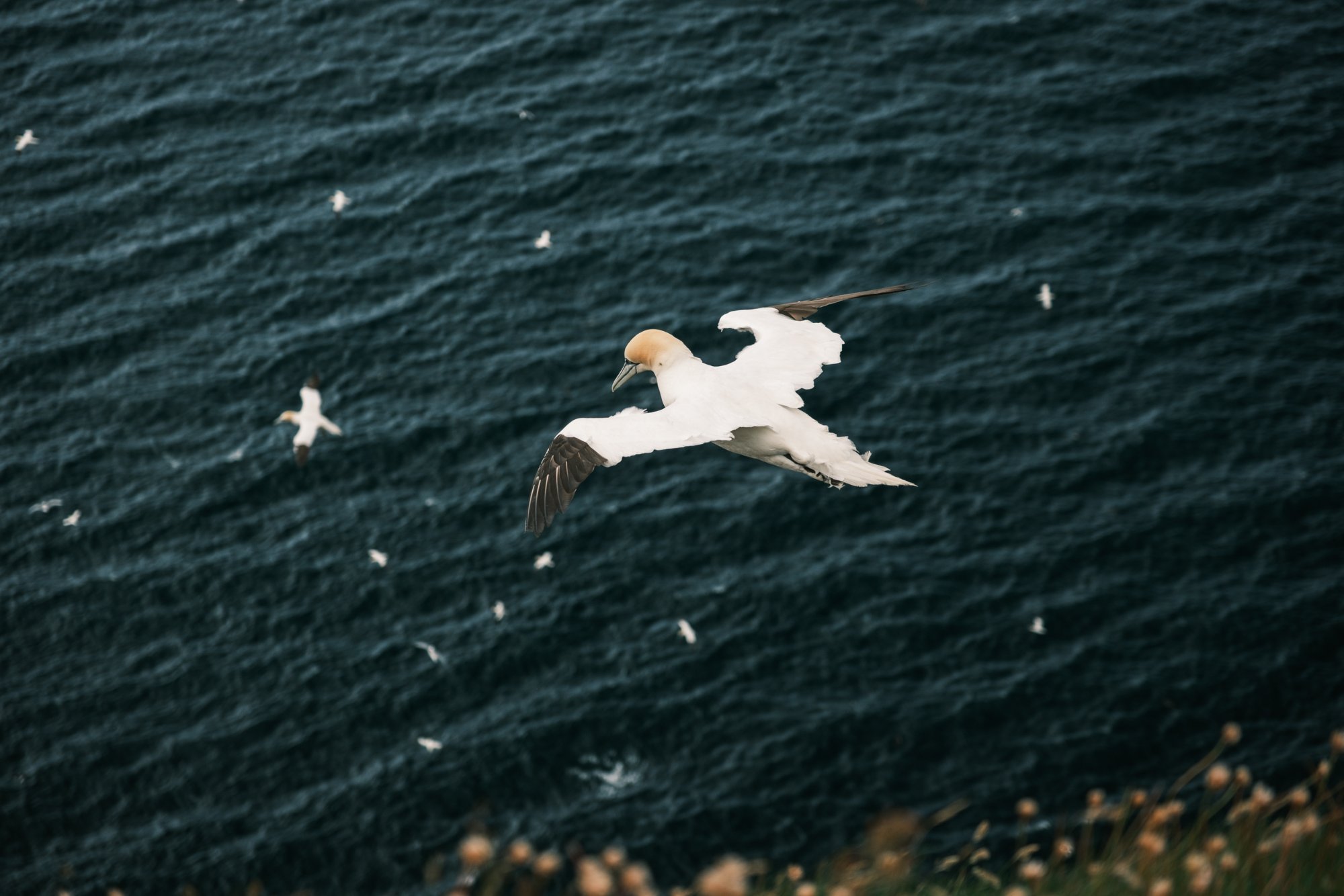 Shot at 1/1000s
 Shot at 1/60s
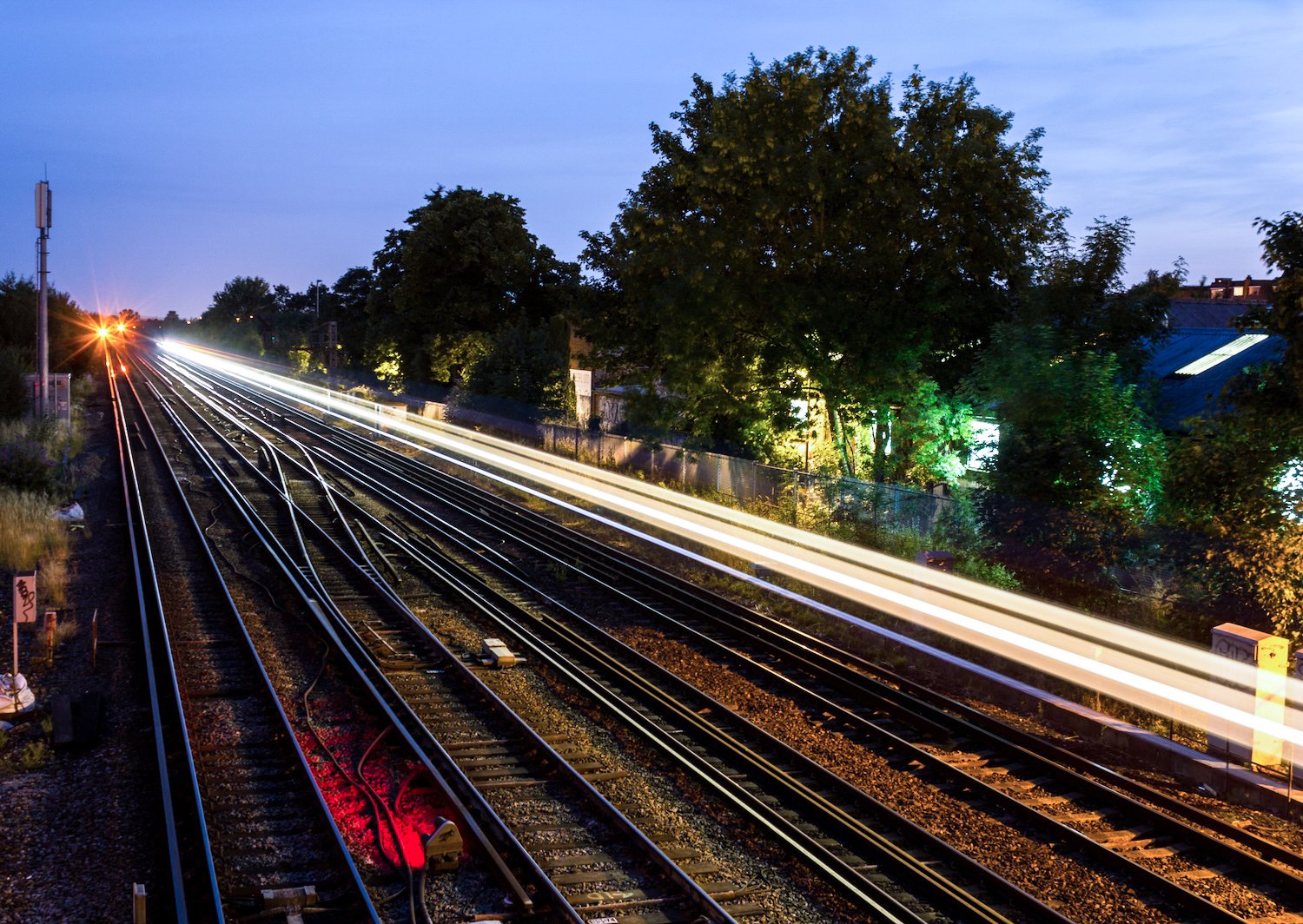 Shot at 30s
Shooting handheld?
If you're holding the camera by hand, stay at 1/60s or faster to avoid blurry photos from camera shake.
Freezing action
Use 1/1000s or faster for sport and birds.
Panning
Follow the subject at 1/30s. It stays sharp, the background blurs.
Long exposure
1 second or more on a tripod for waterfalls and night shots.
Shake or motion?
If only the subject is blurry, it moved. If everything is blurry, the camera moved.


