


A low f-number means a wide aperture and less of your photo in focus, which catches nearly everyone out at first. Here's depth of field explained, with examples at four different apertures

Depth of field is one of those things that sounds far more complicated than it actually is. Put simply, it's how much of your photo comes out sharp, from the nearest sharp point to the furthest. A shallow depth of field gives you a thin slice of sharpness and a soft, blurred background. A deep depth of field keeps nearly everything sharp, front to back.
The part that trips most of us up early on is the numbers. A low f-number means a wide aperture and less in focus, which feels backwards until it clicks. So we've put together an infographic that lays it all out, including the same rose at four apertures so you can watch that band of sharpness grow from under two millimetres to nearly twenty.
Want to keep this infographic handy?
Download our free PDF.
What is Depth of Field in Photography?
Depth of field is how much of your scene comes out sharp, from the nearest sharp point to the furthest. Shallow depth of field means a thin slice of your image is sharp and the rest is blurred; a deep depth of field means most of the scene is sharp.
The depth of field elements that dictate how much of your photo is sharp
The lower the f-number, the wider the opening and the more light your camera receives. The orange bars show the depth of field for each one, on a 100mm lens focused half a metre away.
The same rose, the same lens, the same focus distance. The only thing changing across the four frames is the aperture, so every difference you can see is depth of field.
Follow the sharp band at the petal tips: at f/1.4 it is a sliver, and by f/16 it is more than eleven times deeper and takes in nearly the whole bloom.

f/1.4
About 1.7mm sharpA wide aperture lets in plenty of light and holds only a tiny distance sharp. A narrow band across the outer petal tips records, and everything in front of and behind it is gone.
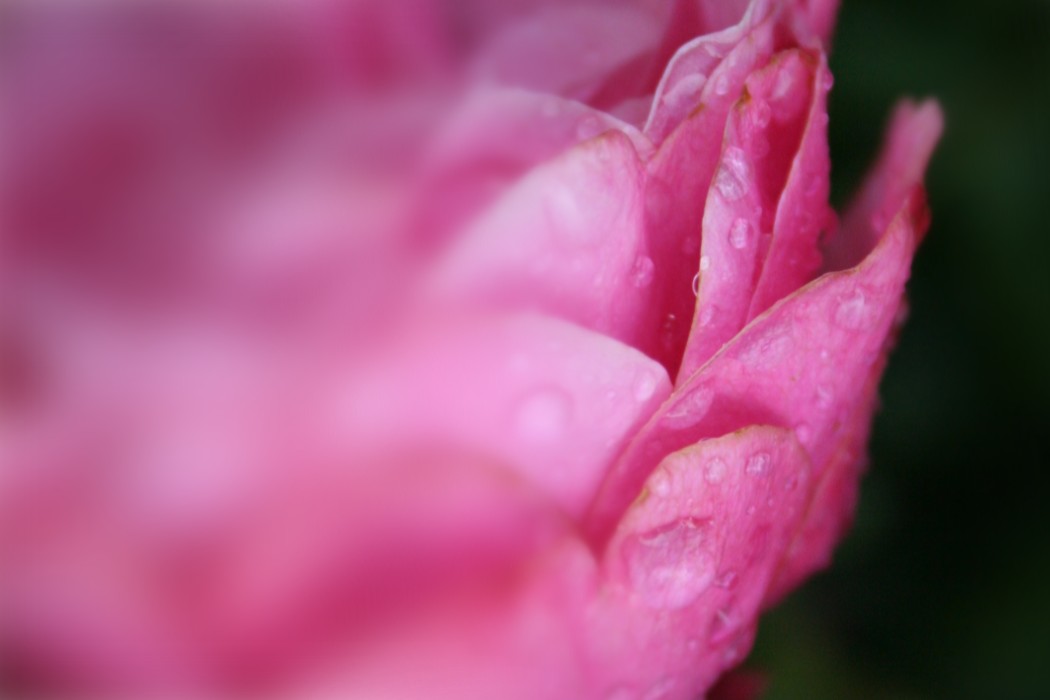
f/2.8
About 3.4mm sharpOne stop down doubles the depth of field, and a few neighbouring petals join in. Small changes at wide apertures make a visible difference this close.
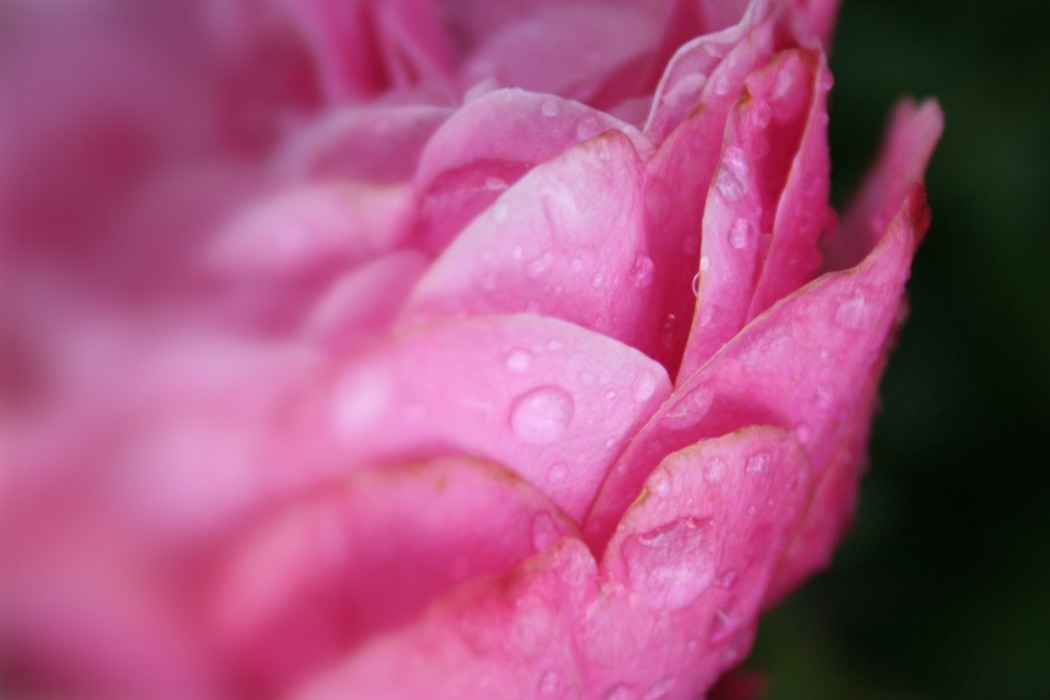
f/5.6
About 6.7mm sharpFour times the depth of field of f/1.4, and the band now covers the whole group of outer petals. This is the middle of the range, and where most lenses are at their sharpest.
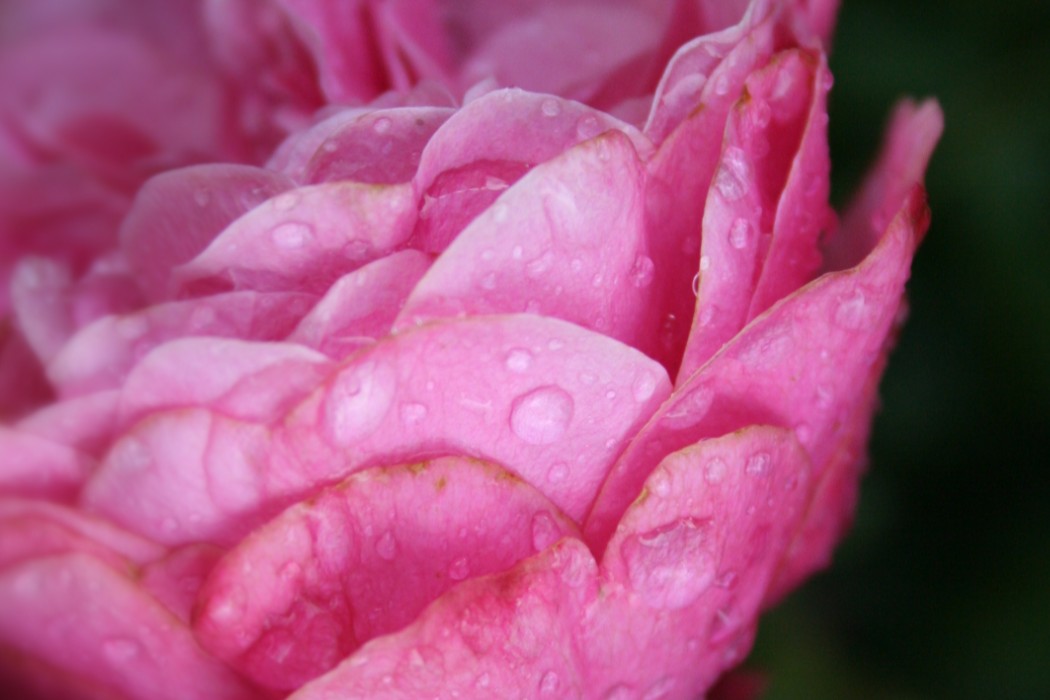
f/16
About 19mm sharpA high f/stop is a narrow aperture: less light, but far more depth. Nearly the whole flower is sharp, while the garden behind stays soft, because stopping down deepens the band around wherever you focused rather than reaching the distance.
Note: the four frames above come from a single photograph, with the blur simulated for illustrative purposes.
A low f/stop is a wide aperture, and a wide aperture means less in focus
The number and the opening work in opposite directions, which is where most beginners get stuck. A low f/stop is a wide aperture with a shallow depth of field, so only a small distance in your photo is sharp. A high f/stop is a narrow aperture with greater depth of field, meaning more of your scene is sharp.
Top tip: a depth of field calculator app will do the maths for you before you shoot.
Aperture is not the only control. Three other things change how much of a photo comes out sharp.
Focal length
The more you zoom in, the less of the photo is sharp. Zoom out and more of it comes out sharp.
Distance to subject
The closer you stand to your subject, the less of the photo is sharp. Step back and more of it comes out sharp.
Distance to background
This does not change how sharp your subject is, only how blurred the background looks. A wall right behind your subject still reads. Open ground far behind turns that wall into a blur of colour.
Shallow or deep
Shallow depth of field for portraits and details, where blur lifts your subject off its surroundings. Deep depth of field for landscapes and interiors, where near and far both need to hold.
Want to keep this infographic handy?
Download our free PDF.


