


Worried about putting your 35mm film through airport scanners and what might happen? You're not alone! Here's my story about one disposable camera that went through 6 X-ray scanners... See how the images turned out

Introduction: What Happened When My Disposable Camera Went Through 6 Airport X-ray Scanners
If you're travelling and you shoot on analogue, going through airport security with your film rolls is something that most photographers know requires some special care.
That said, it is also remarkably easy to forget about your film in the chaos of moving through the airport, and I say that from plenty of experience. Between the stress of packing, rushing through security, putting things in trays, all while trying not to leave anything behind, the film in your bag can easily slip your mind entirely. That is more or less what happened to me recently, and in this case, it turned out to be quite an extreme example.
A single disposable camera, which I purchased on a trip to Australia, the Ilford Ilfocolor Rapid Half Frame, went through six separate airport X-ray scanners before I used it, travelling across four continents simply because of the way my travels unfolded.
Were all my images ruined? The results were not a disaster. But they were not unaffected either.
It was only afterwards, looking back at the journey, that I realised what it had been through and thought it might make a useful and honest account for anyone wondering what actually happens in a situation like this. Read on for the full story.
The Camera: The Ilford Ilfocolor Rapid Half Frame (Expired)
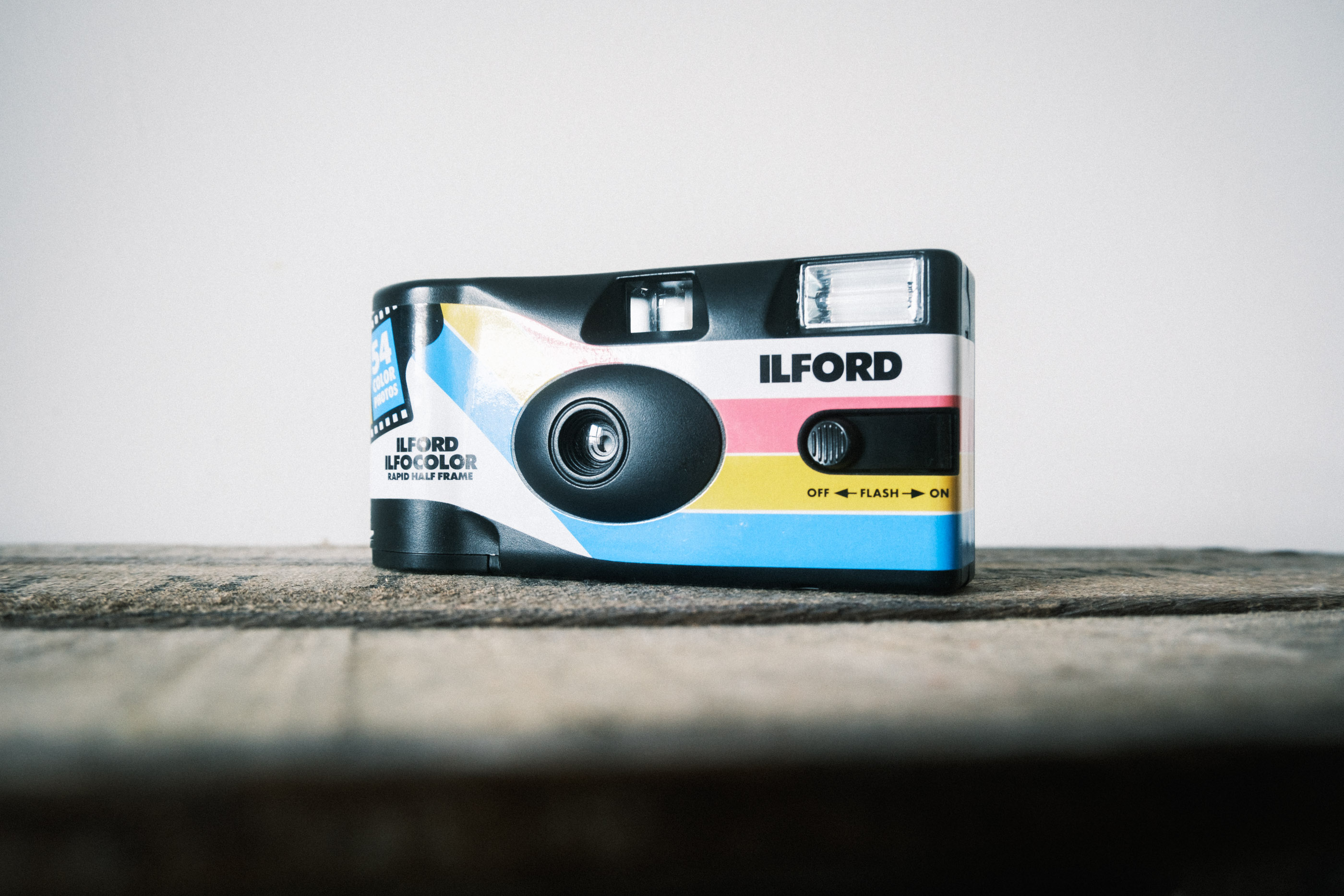
Before we get into it, one thing worth flagging first: the film in my disposable camera had expired. The Ilfocolor Rapid Half Frame had an expiry date of December 2024, and by the time I used the roll, that date had most certainly passed!
Expired film introduces its own variables, particularly reduced sensitivity and colour shifts. What this means is I cannot pin every imperfection in these images solely because the camera went through so many scanners. So keep this in mind as you read on.
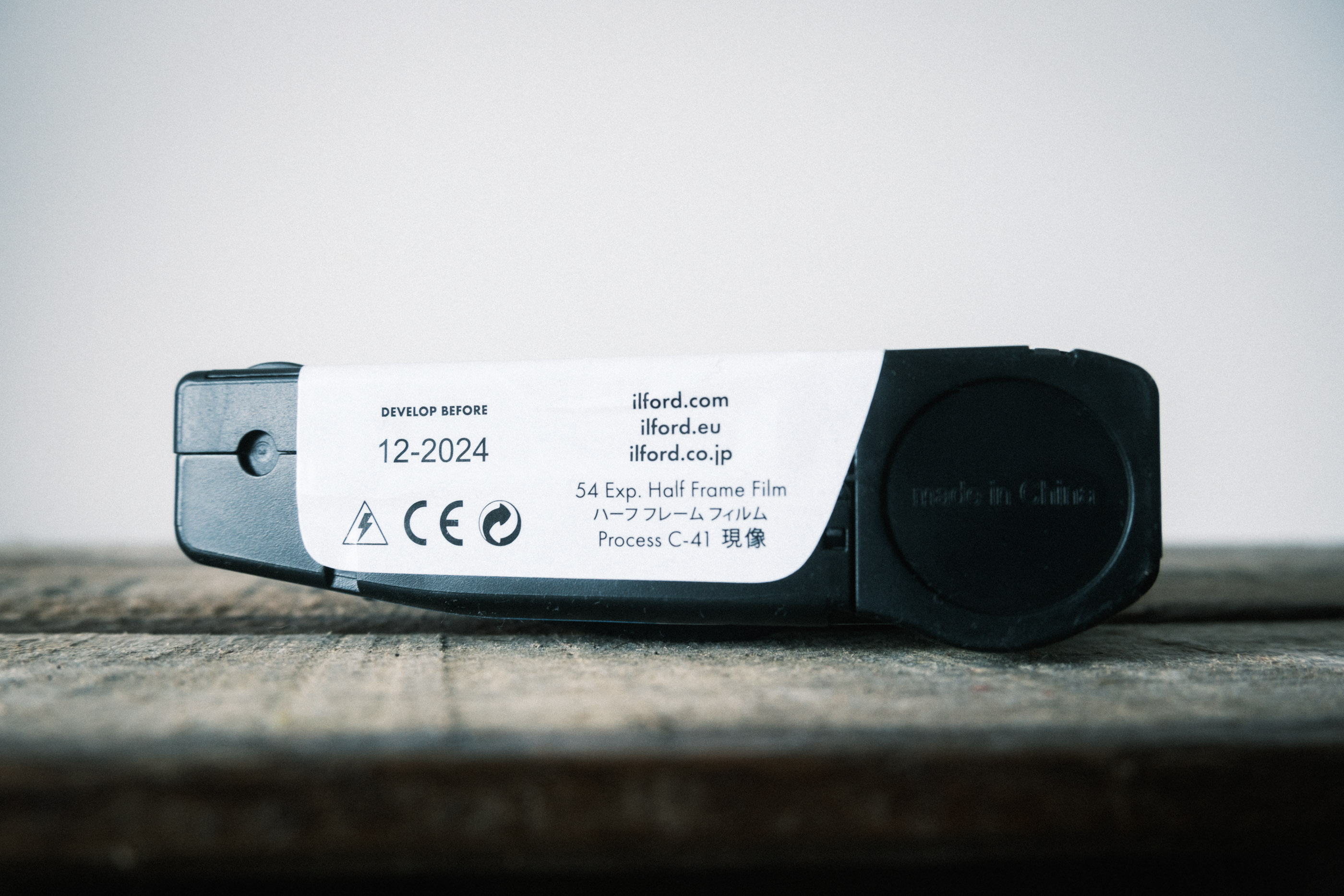
The Ilfocolor Rapid Half Frame is a compact pocketable disposable camera featuring 400 ISO film that shoots in the half-frame format, meaning each 35mm frame is split into two exposures (more on that in a future guide). It is a great little 35mm film camera for a bit of fun, or in my case, a bit of casual travel shooting, which was ideal. It is light, discreet, and completely unpretentious.
I picked it up, totally by chance, at Camera House in Adelaide, a brilliant shop well worth a visit if you find yourself in the city, at the start of what turned out to be quite a long journey home.
The Journey: Six Airport X-Ray Scanners Across Four Continents
The camera did not travel with me straightforwardly, due to several factors, some within my control and some beyond it. It accompanied me on several separate plane journeys before I finally used it on a trip to Albania. Along the way, it passed through the following airports and security setups:
Airport Scanner Log:
Adelaide Airport, Australia / Hold luggage scanner
Sydney Airport, Australia / Hand luggage scanner
Tokyo Haneda Airport, Japan / Hand luggage scanner
London Heathrow, UK / Hand inspected, no scanner
Glasgow Airport, UK / Hand luggage scanner (hand inspection refused)
Tirana Airport, Albania / Hold luggage scanner
Frankfurt Airport, Germany / Hold luggage scanner
That is six scanner passes in total, across hold and hand luggage, with one successful hand inspection at Heathrow thrown in, too.
A Note on Hand-Inspection:
At London Heathrow, I asked the security team to hand-inspect the camera rather than put it through the X-ray, and they agreed without any fuss. At Glasgow Airport, I made the same request and was refused, though with an interesting note: the officer told me that a loose film roll would have been fine to hand-inspect, but they could not hand-inspect a disposable camera. So, despite my efforts, the camera still went through the scanner.
This distinction is worth knowing. At some airports, a disposable camera, because the film is housed in a plastic body, is treated differently from a separate roll of film. If you are carrying a standard film roll in a canister, your chances of a successful hand inspection request may actually be better than if you are carrying a disposable. It is not a rule that applies everywhere, but it is worth bearing in mind.
Every airport has its own policy, and there is no guarantee that a request for hand inspection for any type of film or camera will be granted, even if you are polite and explain the situation. In my experience, larger international airports tend to be more accommodating, but it is by no means consistent. Always ask, but always be prepared for the answer to be no.
The Results:
Here is where it gets interesting.
The short version: yes, there is definitely some fogging. Six scanner passes, particularly through hold luggage, which uses higher-powered CT scanners than hand luggage security, left a visible mark on the images. But it was not the catastrophic loss you might expect from reading opinions and accounts from some corners of the internet.
Here is what I noticed when the contact sheet (below) and images came back from Gulabi Independent Film Lab in Glasgow (I would highly recommend this lab, by the way):
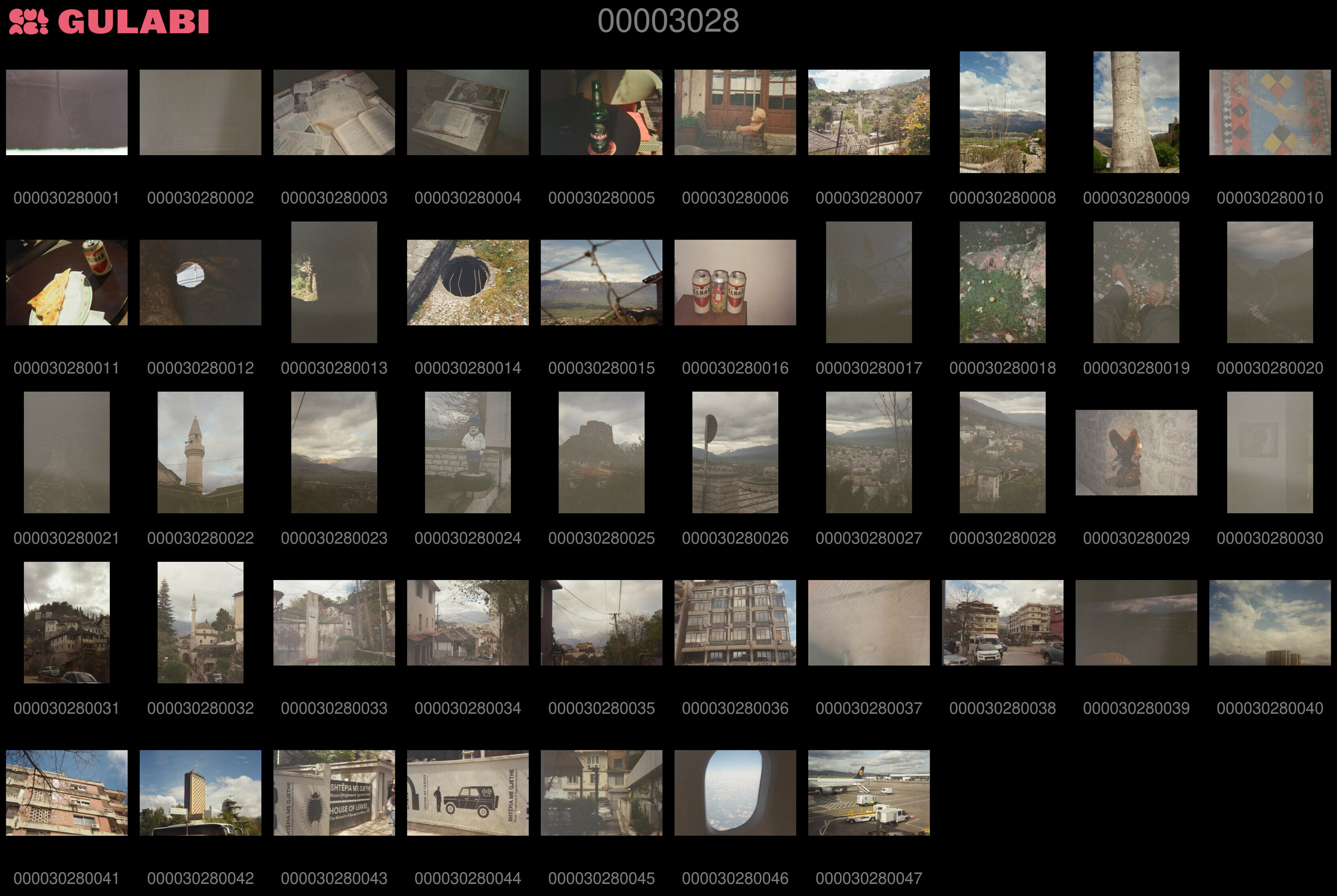
"The short version: yes, there is definitely some fogging... But it was not the catastrophic loss you might expect reading opinions and accounts from some corners of the internet"
The last frames were the most affected
Because the film was already loaded and partially wound on when the camera went through its early X-ray passes, the frames at the end of the roll, those exposed at the outermost part of the spool, took the greatest cumulative hit. Several of these are heavily washed out with very little detail surviving.
Fogging varied significantly across scenes
This was the most surprising finding. Bright, outdoor scenes in open light came out far less fogged than indoor shots or images taken with flash. Overcast conditions produced more fogging. Higher contrast scenes held up noticeably better.
This makes sense when you think about it: flash effectively burns through the fog by adding its own light source, while the flat, even illumination of an overcast sky gives the fog nowhere to hide. If you end up putting your film through multiple X-ray scanners, knowing this will not prevent the damage, but it might help you identify which images you can salvage.
The earlier frames recovered considerably
The first images on the roll, including street scenes from Albania, architecture, signage, and a few street details, came back with decent clarity and real character. The opening frames, including a plane window shot and an airport tarmac, are clean and usable.
Here are some image highlights from the roll, and also some images that are heavily fogged:
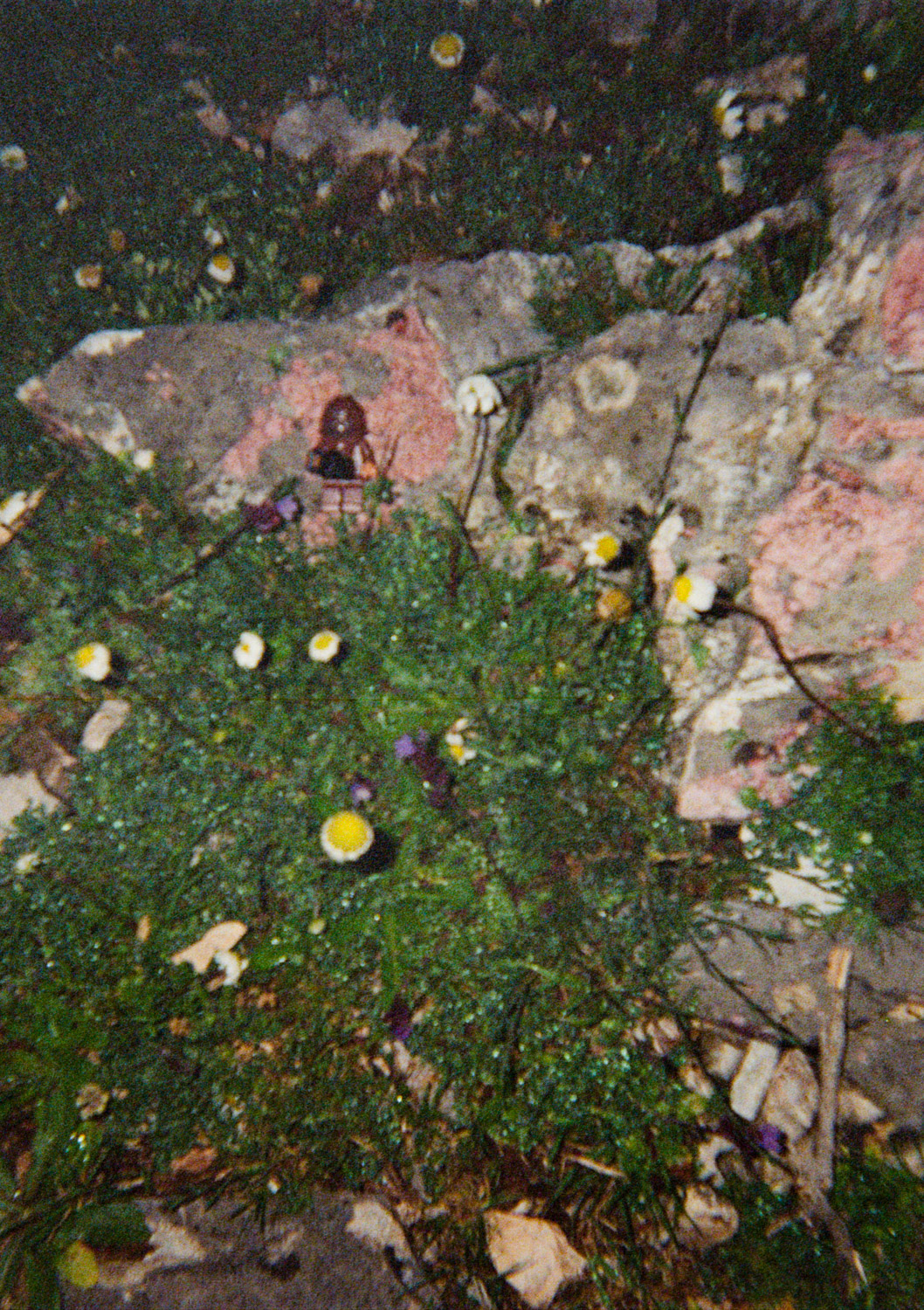
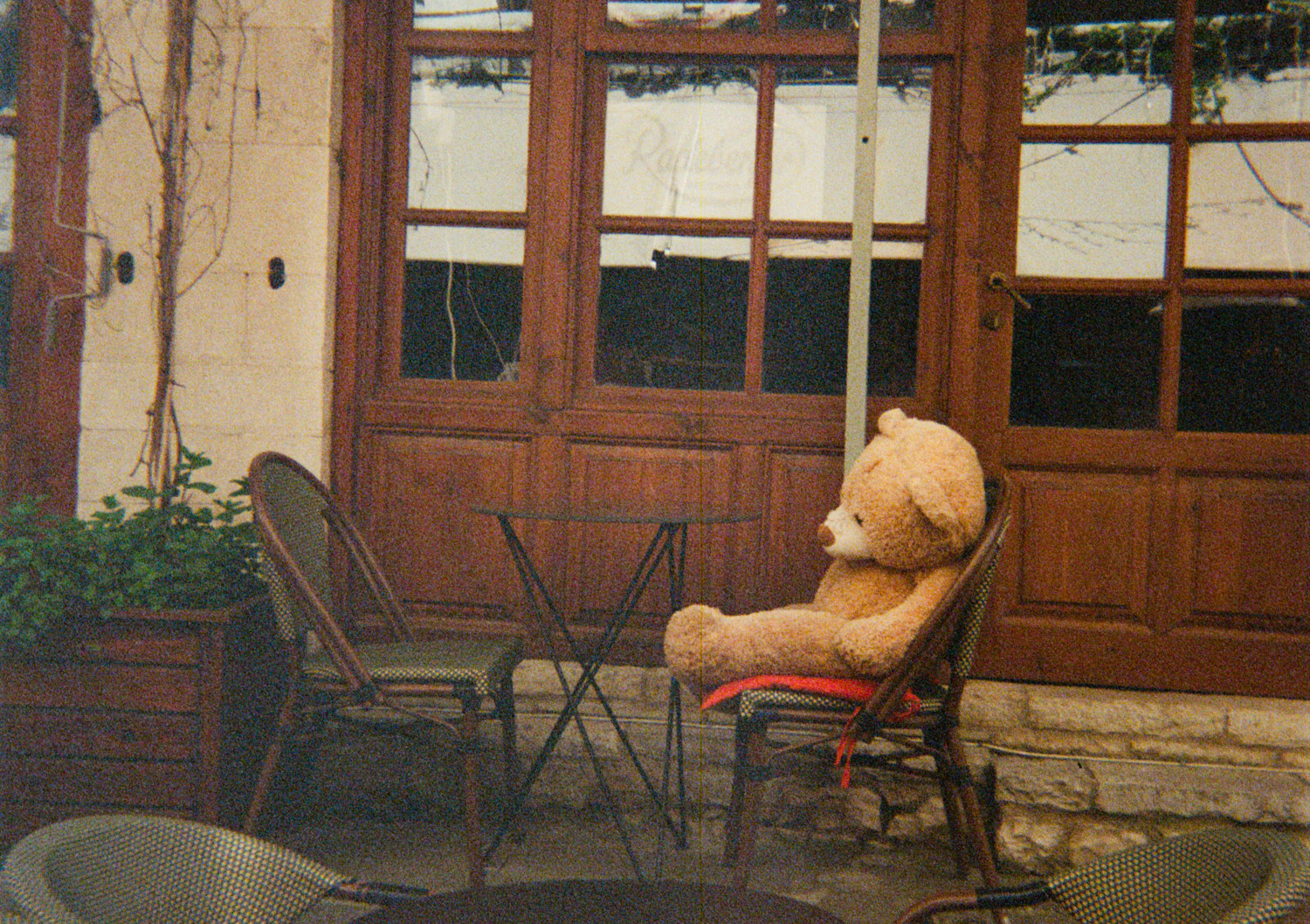
Gallery of Frames with Minimal Fogging
Some highlights from the roll. Worth noting, for increased visibility, I've increased contrast, clarity and dehaze in Lightroom.
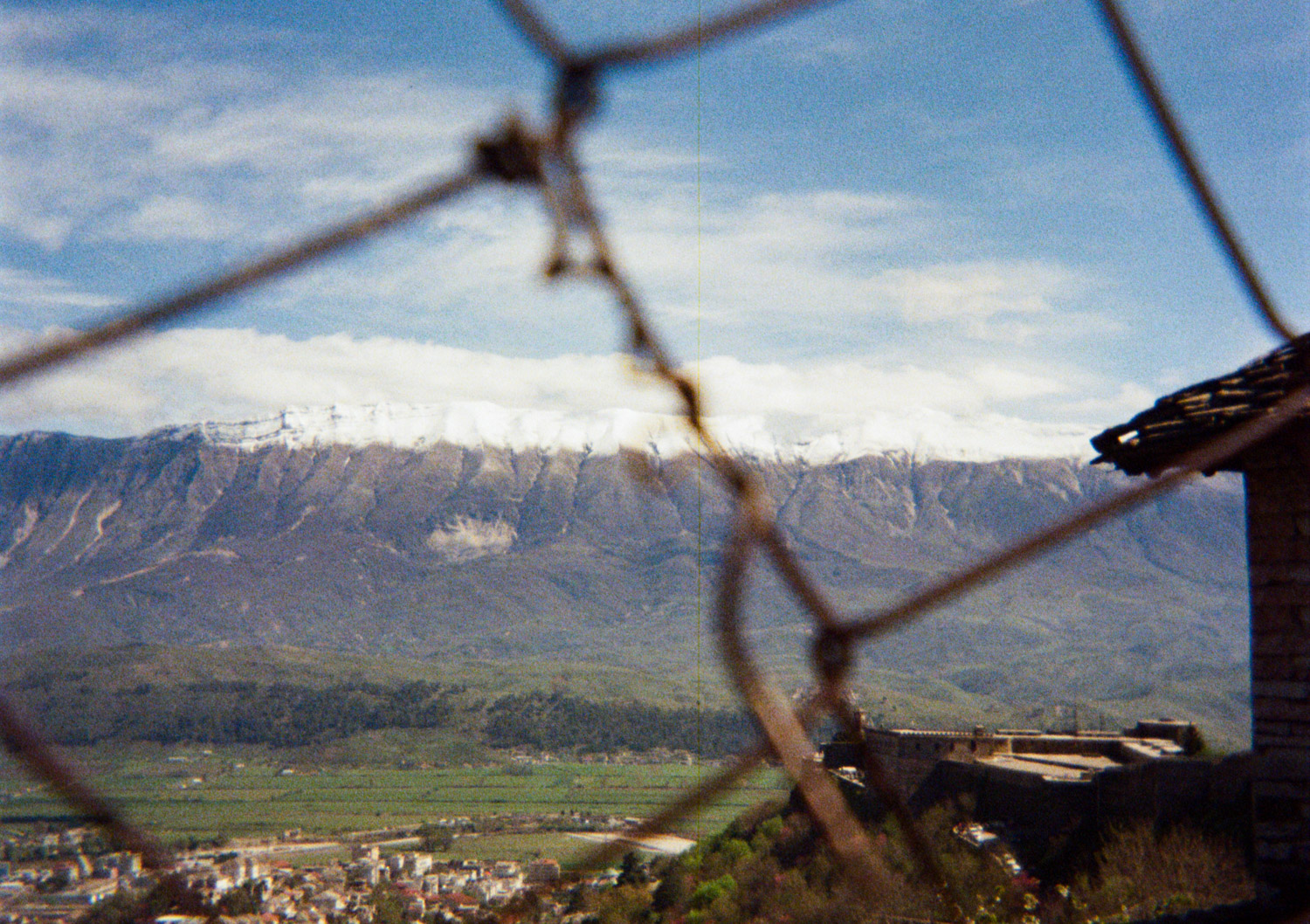






Gallery of Examples of Fogged Frames
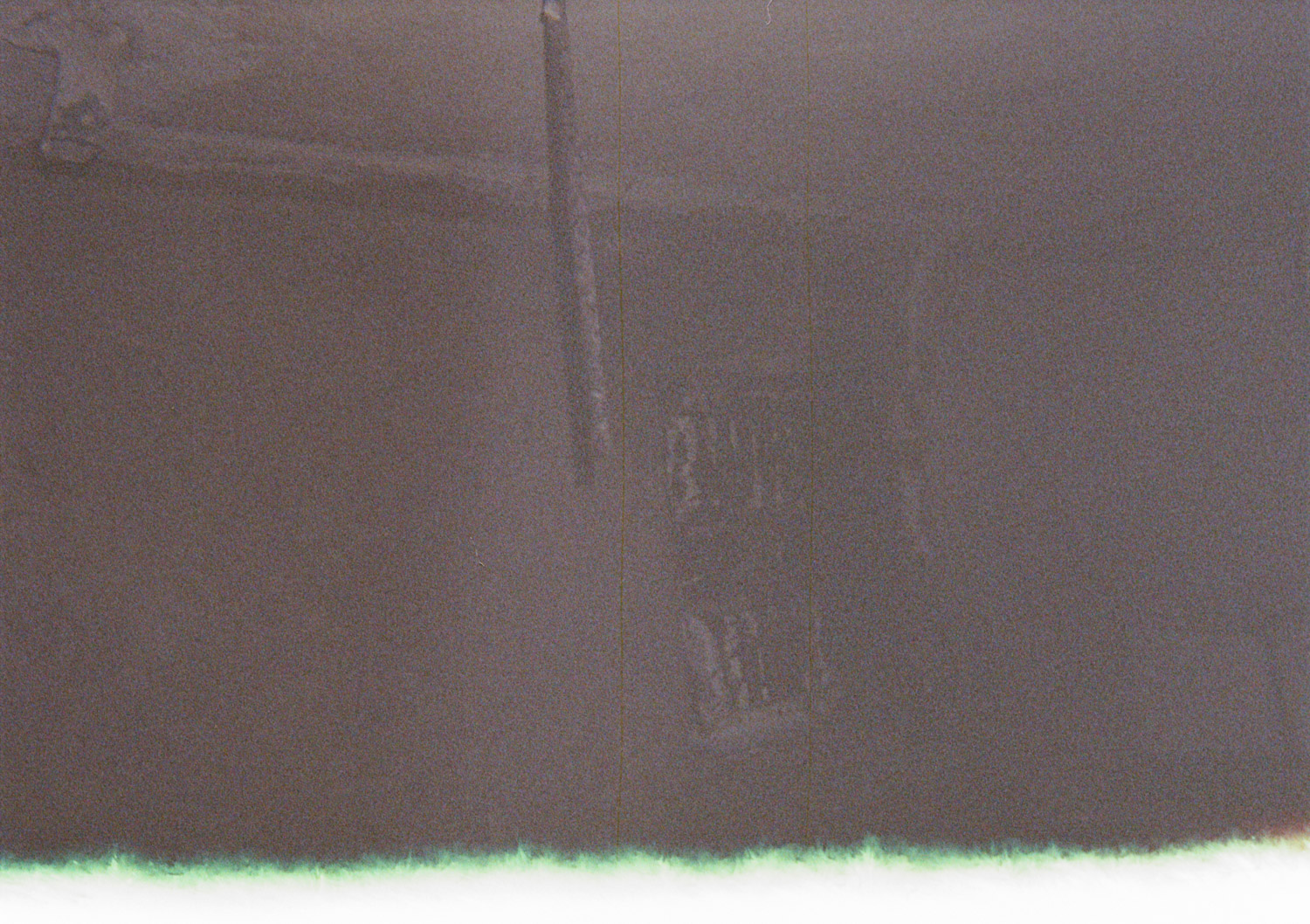





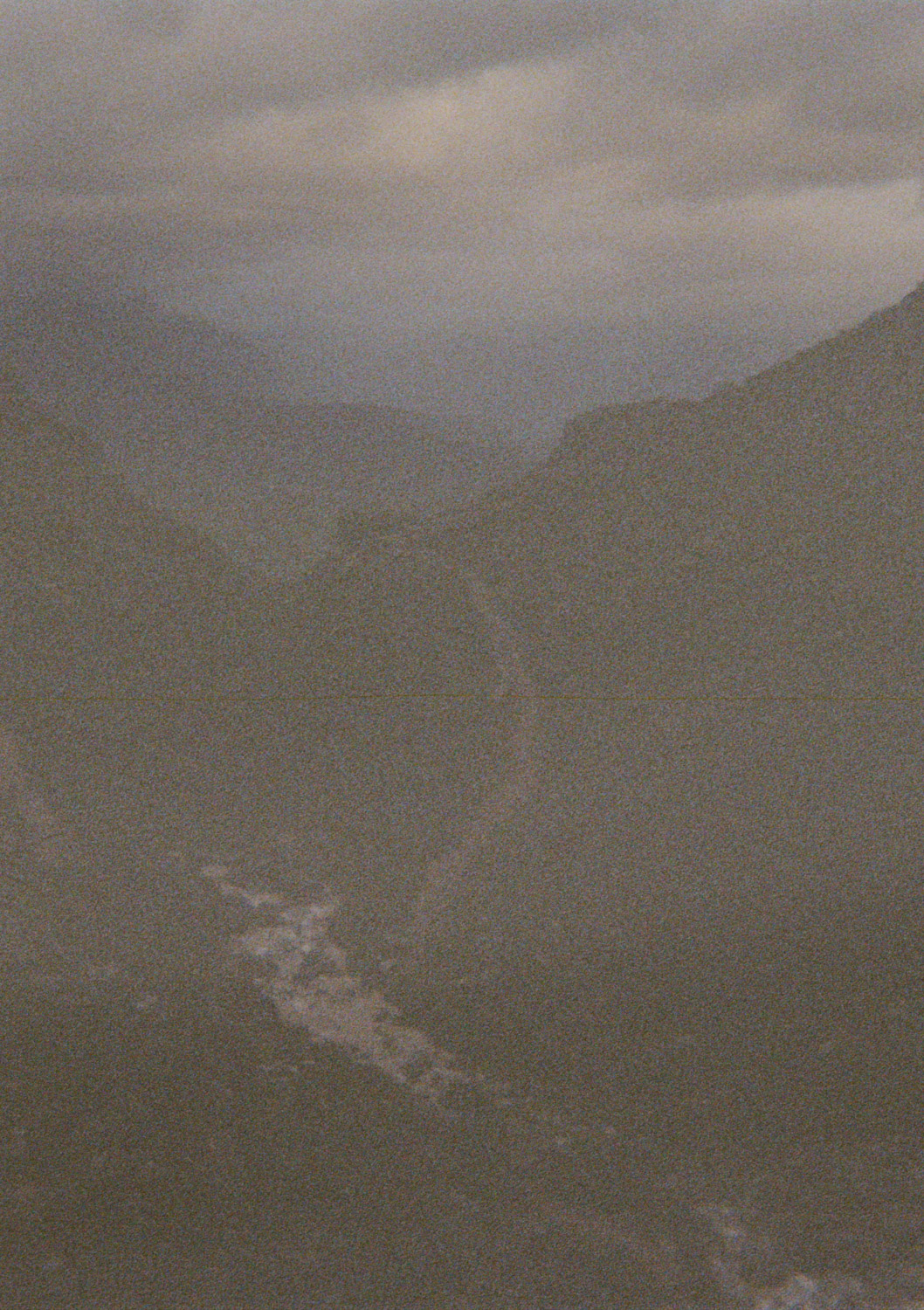
While yes, the overall feel of the roll is hazy and muted, which, combined with the expired film, gives many of the images a dusty, atmospheric quality. Some of them honestly work in their own way.
Others are too far gone to use. Of 47 frames, I would estimate that a good third are genuinely usable, and several are images I am happy with.
"...accept that some unpredictability is part of what makes analogue photography what it is..."
What This Means for You as an Analogue Photographer: Practical Takeaways for Your Film and Airport X-Ray Scanners
If you are travelling with film or a disposable camera, here is my honest advice based on this experience:
1 Always ask for a hand inspection, and ask early
Approach the security personnel before you reach the X-ray scanner, explain calmly that you are carrying film, and ask if it can be checked by hand. It does not always work, but it is always worth asking. Heathrow said yes. Glasgow said no. Your mileage will vary.
2 Be aware that CT scanners are becoming increasingly common, and they are more damaging to film
This is something worth knowing if you travel through UK or European airports in particular. Newer CT scanners, which are now standard at many major airports and are being rolled out more widely, are significantly more powerful than the older X-ray machines they are replacing. They are also known to be considerably more damaging to analogue film, including at lower ISO values that would previously have been considered safe for a pass or two. If you are shooting on 35mm film and travelling through airports that use CT scanning for hand luggage, this raises the stakes considerably and makes hand inspection all the more worth pursuing.
3 Hold luggage scanners are more damaging than hand luggage scanners
CT scanners used for hold baggage operate at significantly higher power than the X-ray machines used for carry-on bags. If you have the option, always keep film in your hand luggage rather than your hold bag.
4 Multiple passes accumulate damage
One or two scanner passes through a hand luggage machine is unlikely to cause noticeable fogging on fresh film, particularly at an ISO below 800. Six passes, including multiple hold luggage scans, will leave a mark, as these images clearly demonstrate.
5 Expired film is more vulnerable
I cannot say with certainty how much of the fogging here was caused by the scanners and how much was the expiry date doing its own work, so this is not a completely clean experiment, and I believe both are factors in how the images turned out.
If your film has already expired, treat the scanner risk as compounded rather than separate.
6 Some fogging can add to the aesthetic
This is a matter of taste, but I find that the hazy, washed quality of several of these frames suits the disposable camera look rather well. If you are chasing technical perfection, film is probably not your medium. If you love the unpredictability of analogue, a bit of scanner fog might not be the end of the world.
Final Thoughts
Six airport scanners, one expired disposable camera, and 47 half-frame exposures later, the results are genuinely mixed, but far from the total write-off some of the more dramatic online accounts might suggest.
Yes, the damage is real and visible, particularly in the flatter, lower-contrast scenes, and I will not pretend otherwise. But it is true that a good portion of the roll survived with some real character in the images, and a few of them are ones I would happily publish or print, given their own unique aesthetic.

The main lesson I would like you to take from all of this, beyond the practical advice above, is simply this: if you love shooting on film while you travel, do not let airport scanner anxiety stop you. Just take sensible precautions, like always asking for hand inspection where you can, keep film in your carry-on and perhaps even on your person so you are far less likely to forget it in your bag. Also, just accept that some unpredictability is part of what makes analogue photography what it is, and if your film ends up going through X-ray scanners, just embrace it!
The camera started its journey in a shop in Adelaide. It ended up in Albania. It went through Tokyo, London, Glasgow, and Frankfurt along the way. That story, I think, is worth a few fogged frames!


