


Discover how Harman's new Switch Azure film turns blue skies orange and everyday scenes surreal. Here's Focus Editor Philip's experience shooting it on the Isle of Arran, plus a full gallery of results
Introduction: What is 'Colour Switching' in Film Photography?
If you read my last piece on HARMAN RED, you'll know I've got a soft spot for experimental film stocks. Colour switching sits in the same experimental camp, but unlike HARMAN RED it's a different trick entirely, and one that's a lot harder to explain. So here we go...
With redscale (HARMAN RED), you're essentially tricking the film by shooting through the wrong side, exposing a different layer of the film to the light than the manufacturer intended. And this can be DIY too; you don't even need a special film for it. If you're into the workings of darkrooms, anyone can respool a standard colour film backwards and get a similar effect at home.
Colour switching is not something you can do yourself. It happens when the film is made and is part of its chemistry, through a process of colour coupler. Essentially, specific colour pairs are made to swap places when the film is developed. For example, that could mean blues render as orange, yellows shift into azure, and reds pick up purple and blue tints.
The result is a film that looks like nothing else on the shelf, and one you genuinely can't replicate with a DIY trick or a Lightroom preset, or anything like that. So, you either buy a roll, or you don't get the look at all.
This is where the new Harman Switch Azure film stock comes into play, read on to find out more.
What is Harman Switch Azure 125 Film?
The Harman Switch Azure is a recently released analogue 35mm film, ISO 125. While it's the standard C41 process, there's something inherently unique about it, and this is the 'switch', where the colour switches, so when you capture a scene, the colours within will be switched and look completely different. For example, the blues render orange, yellows shift azure, and reds pick up purple and blue tints.
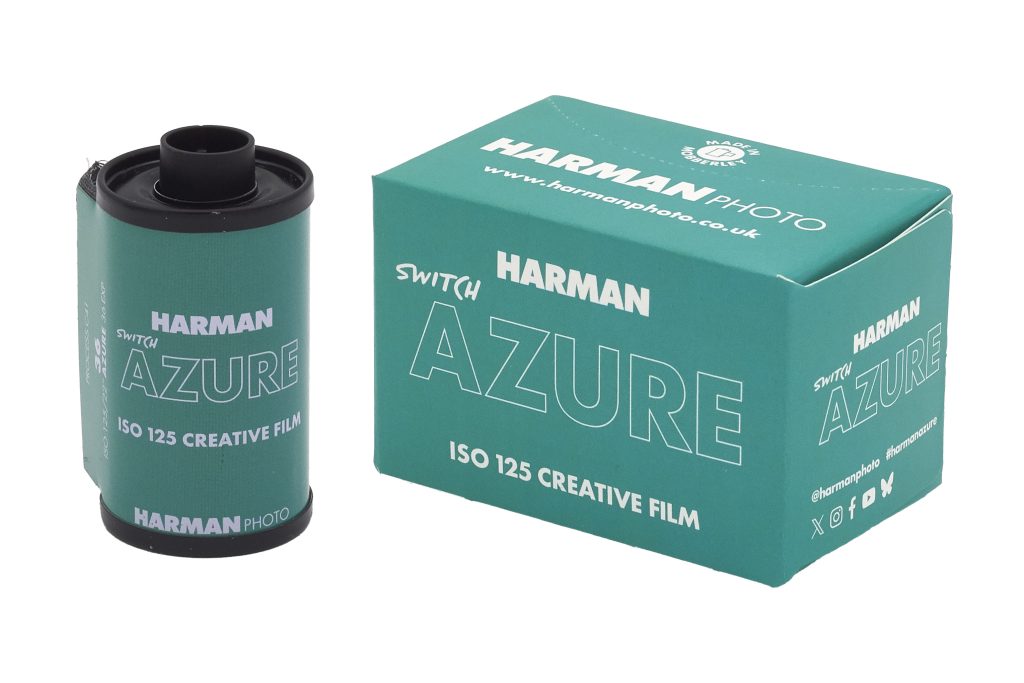
It sits alongside the HARMAN RED in Harman's range of experimental film stock. You can read all about my time with HARMAN RED, too, and see some example images, in my dedicated feature.
At around £12.50 a roll, it's not the cheapest 35mm film out there, but because it uses the standard C41 process, any lab that develops colour film can handle it. There's no need to make a special request, which makes it easy to get started with. You can read the full specs on the official Harman Switch Azure product page.
I recently gave a roll of the Harman Switch Azure a try with my Chinon CA-4 SLR camera. You can read all about my experience with it and the results of that below.
What Was It Like Using the Harman Switch Azure Film?
First of all, my camera had a quirk that affected my experience with the film. It's the same camera I used for HARMAN RED, which is my Chinon CA-4, and that quirk is the fact that you can only shoot 1/100s as my SLR does not have automatic capability, as the battery area is now defunct, so with all of these images, I've had to guess the f/stop.
As my camera is "shutter locked", it means I have to guess what aperture (opening of the lens) I need to get enough light onto the film to expose the scene. I've had years of experience with photography, and I still can get it wrong. If you're a beginner in a similar situation of having a shutter locked camera, I'd highly recommend you try a different camera or invest in a light meter; you can even get these as an app on your phone now. Otherwise, aside from that, it felt very much like using any roll of film, just knowing that the colours are going to turn out very, very different, and, in all honesty, until I actually looked at the images, I had no idea what they'd look like.
The Results: Impressions and Sample Images
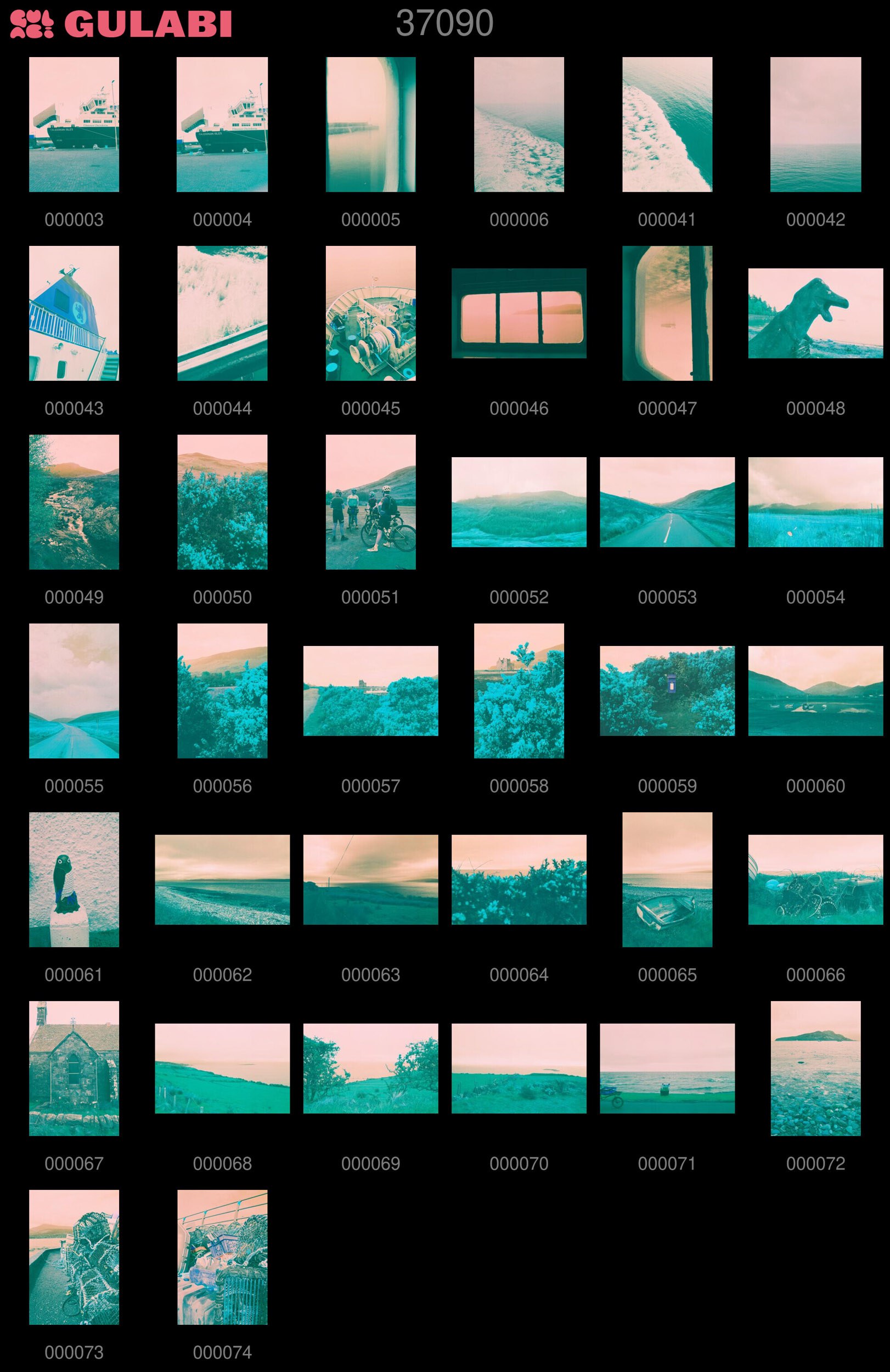
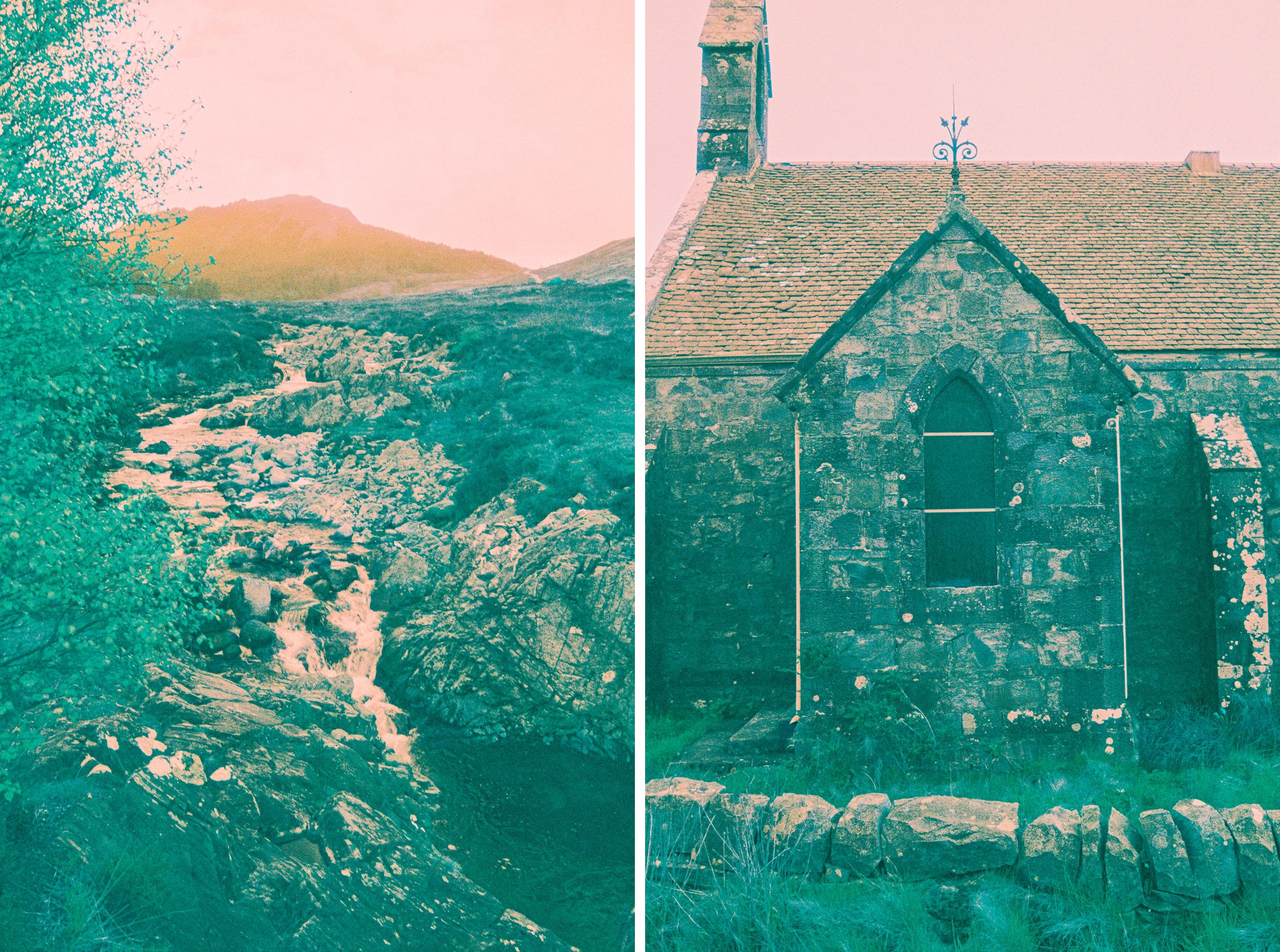
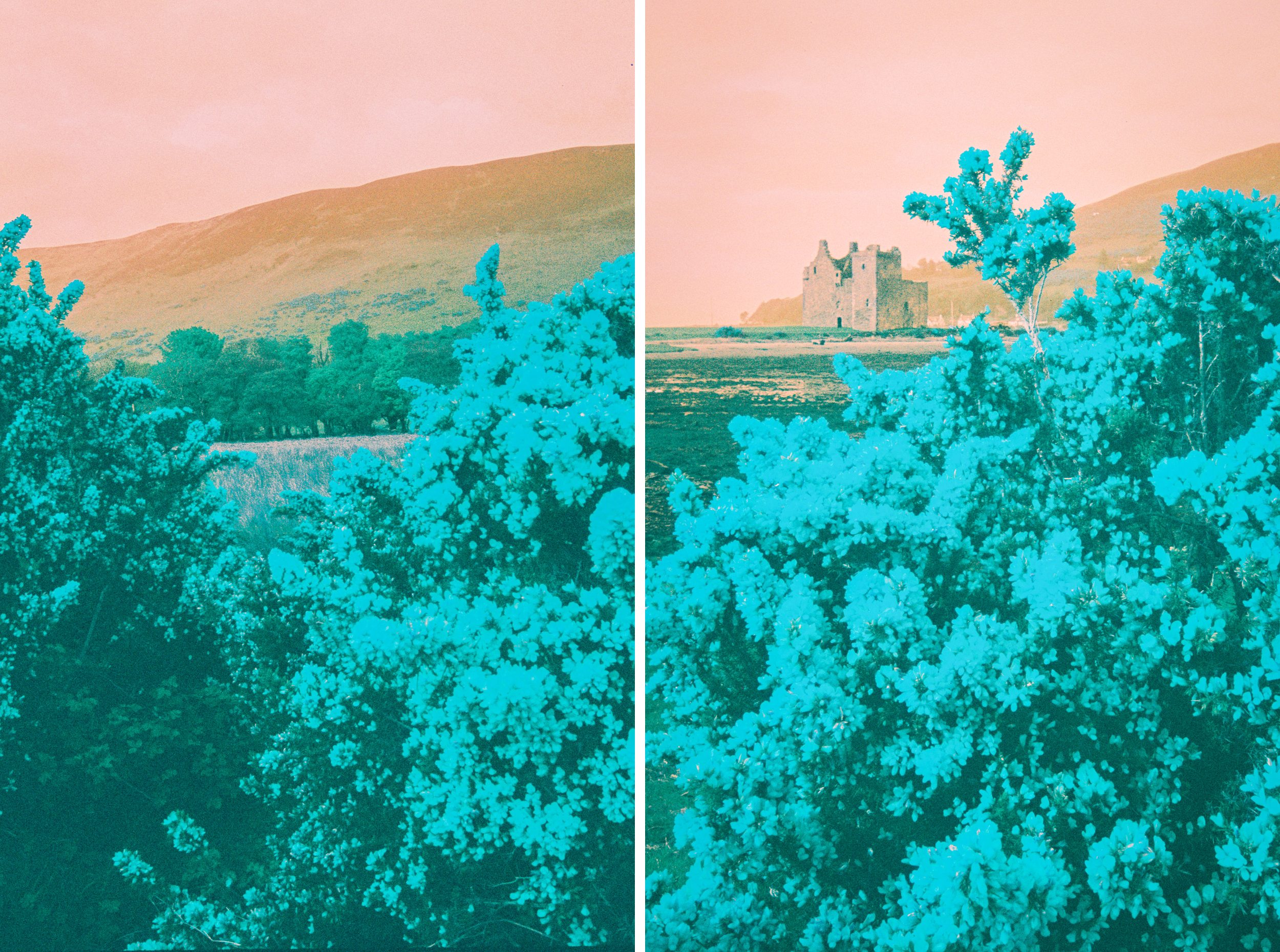
Below you'll see my gallery of images, or at least some of the highlights, along with a few that didn't quite turn out right.
You can also see the full set in my Picfair Store.
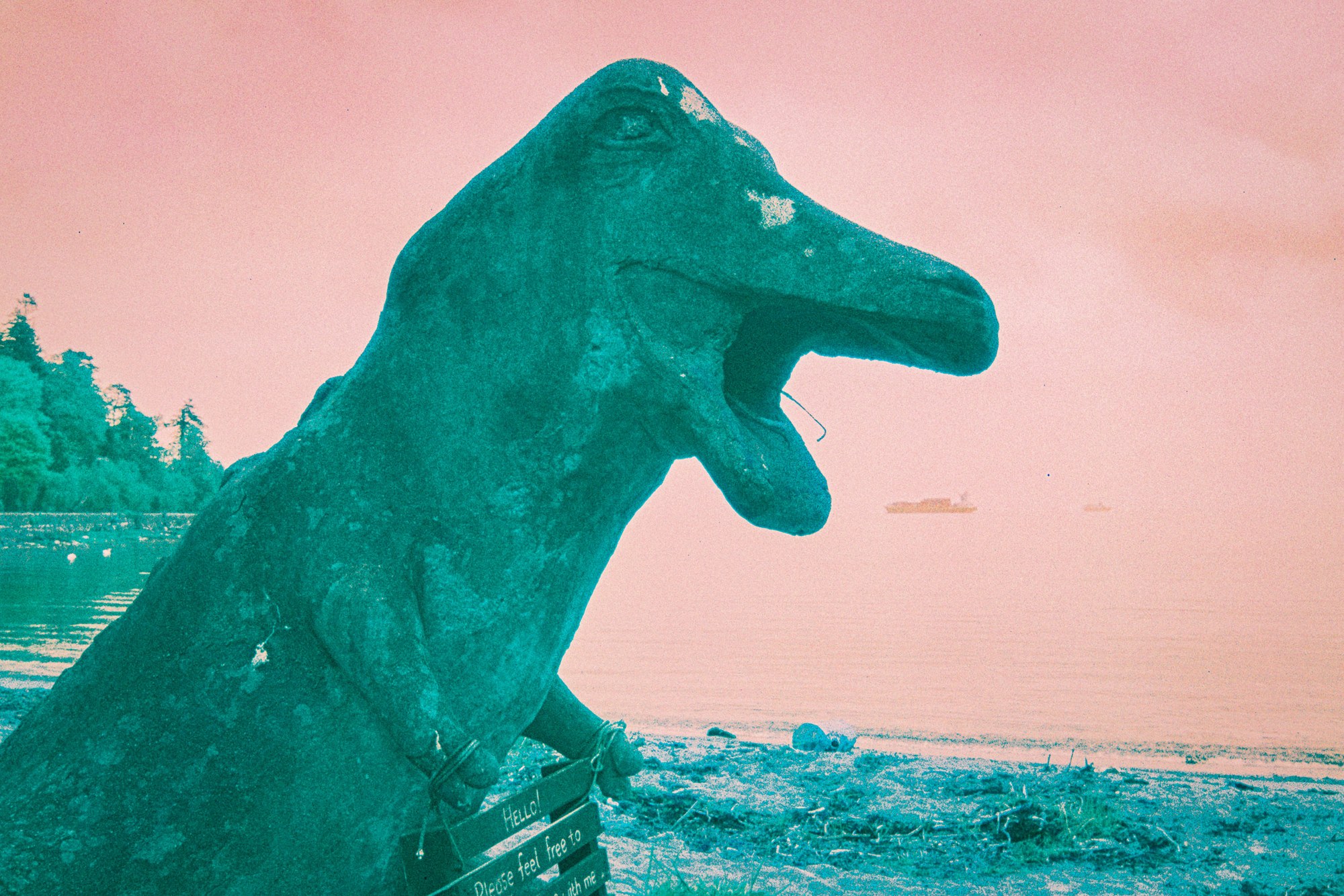
The keepers: vivid, high-contrast and wholly surreal scenes
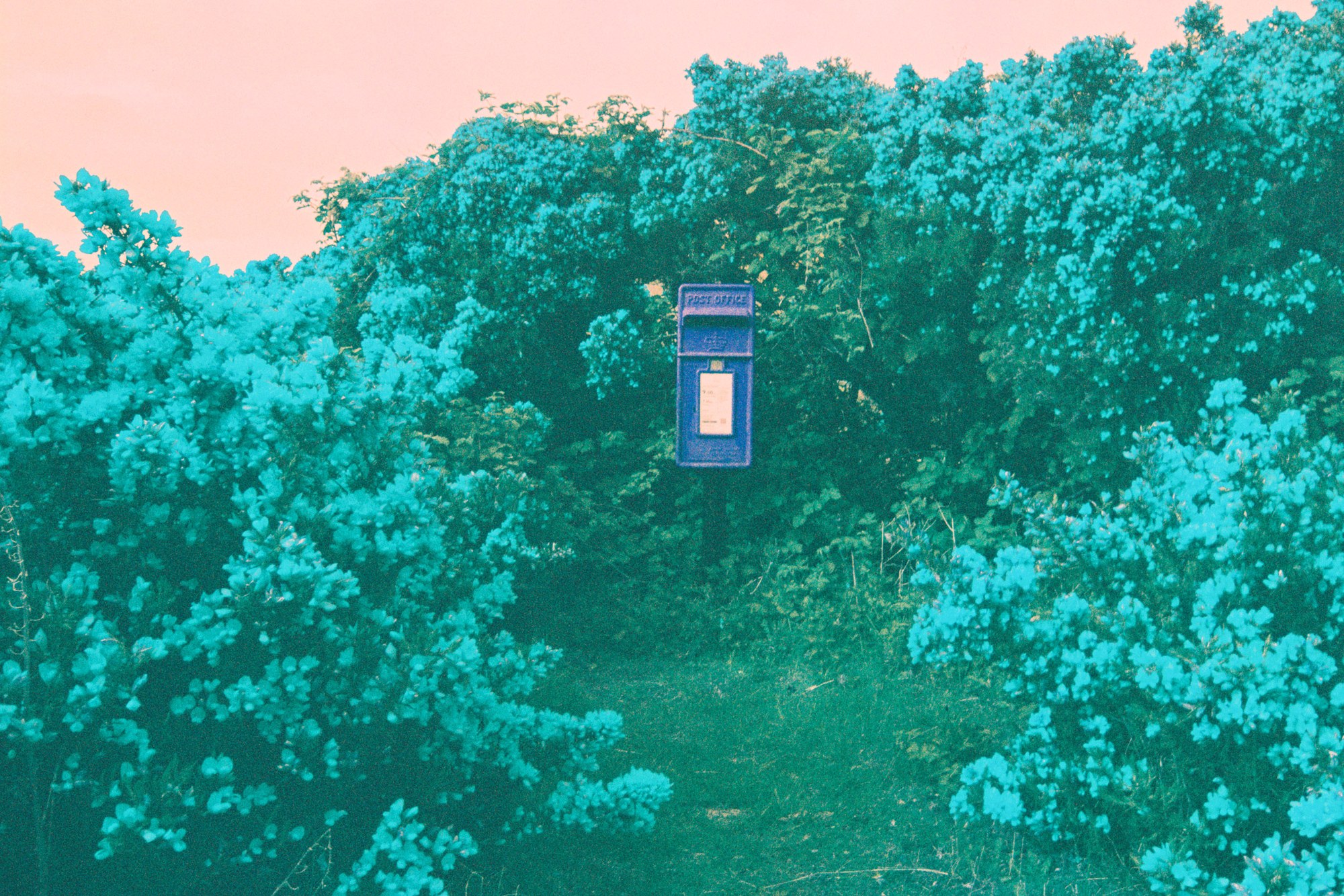
One image worth pausing on is the roadside postbox. In real life, it's the standard Royal Mail red, but here the film has switched it to a deep blue. That's the colour-switch logic in action, reds pushed round towards blue and purple, and it's one of the clearest single examples of what this film actually does.
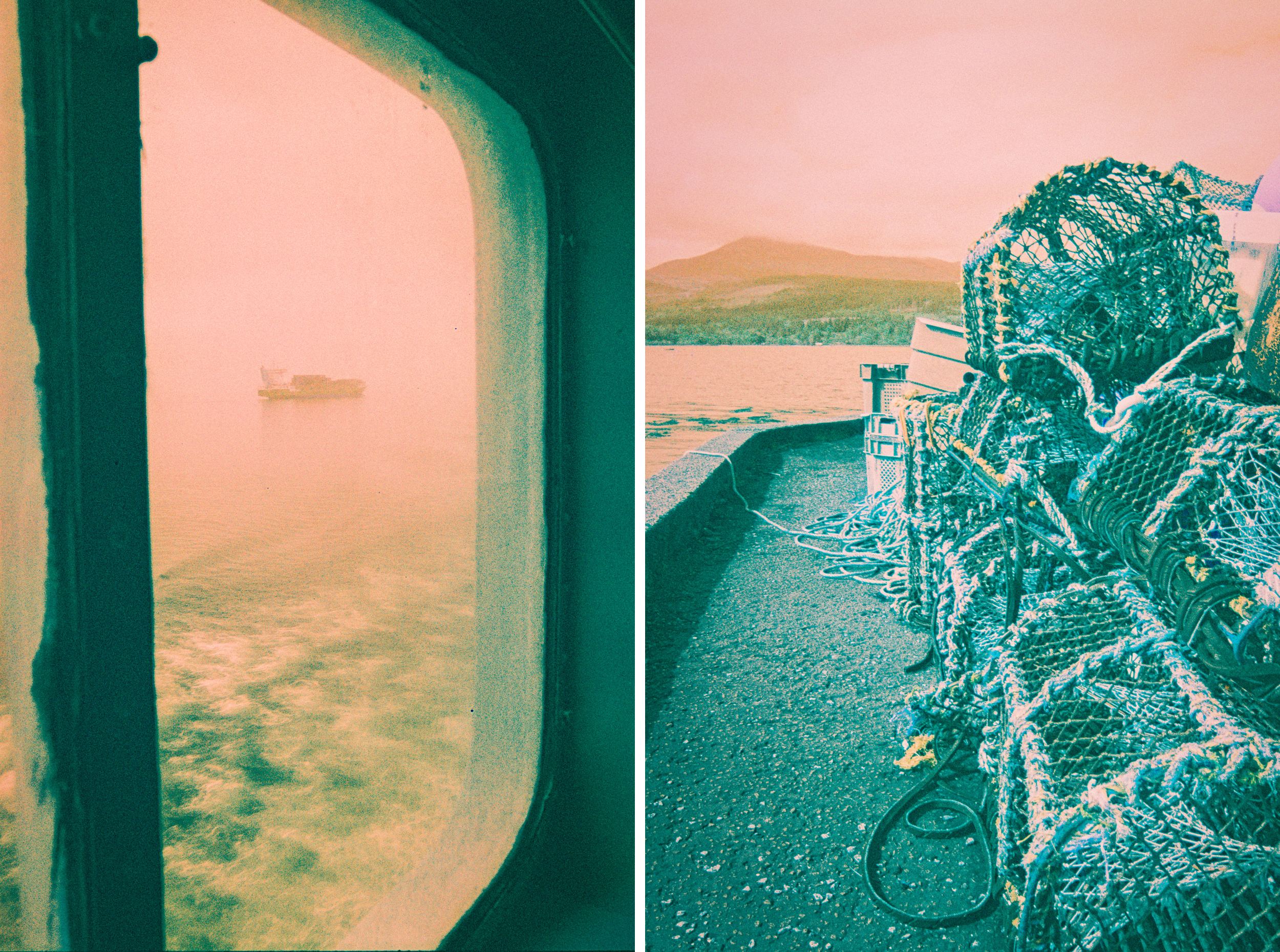
The images that didn't work so well:
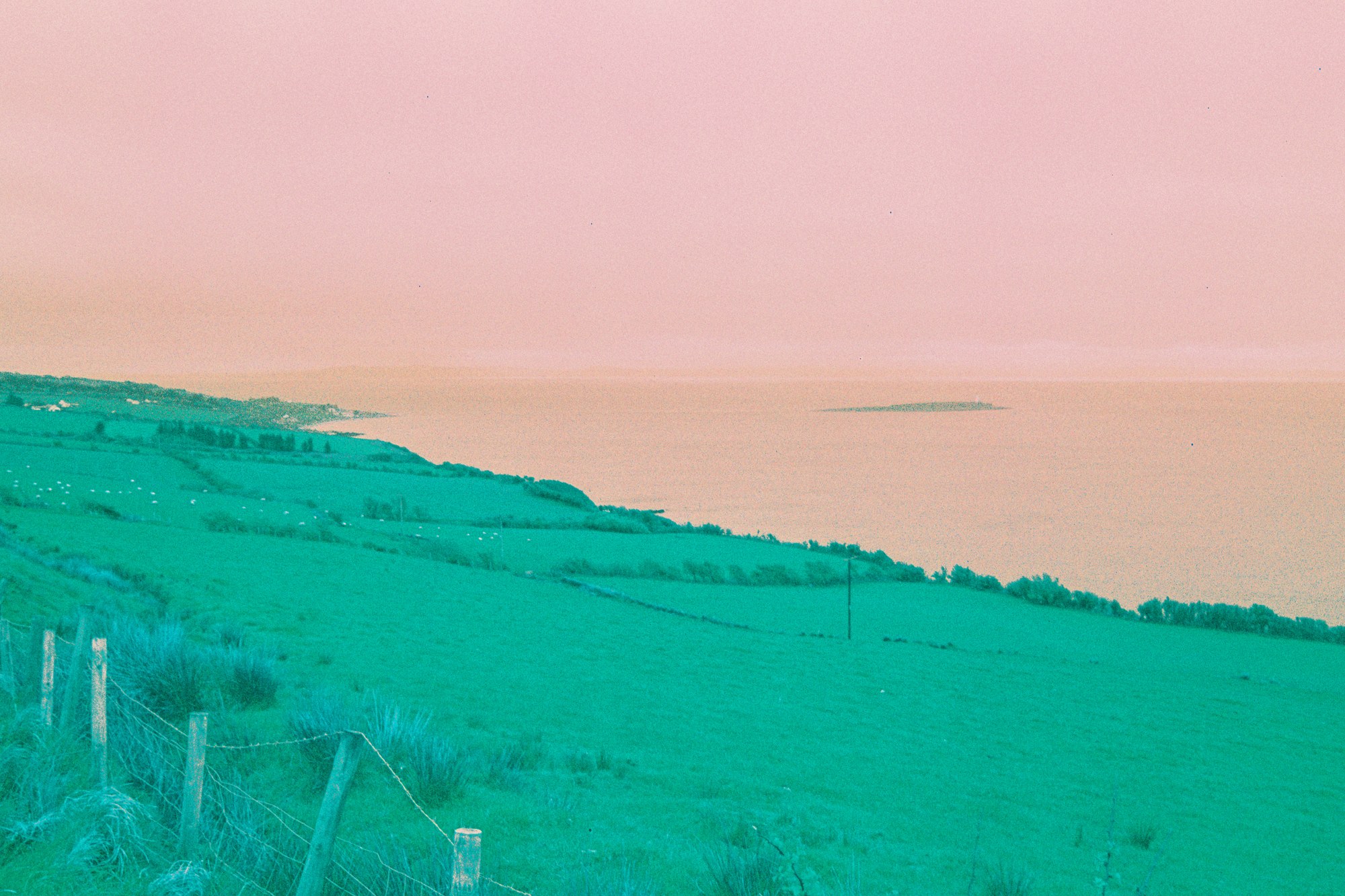
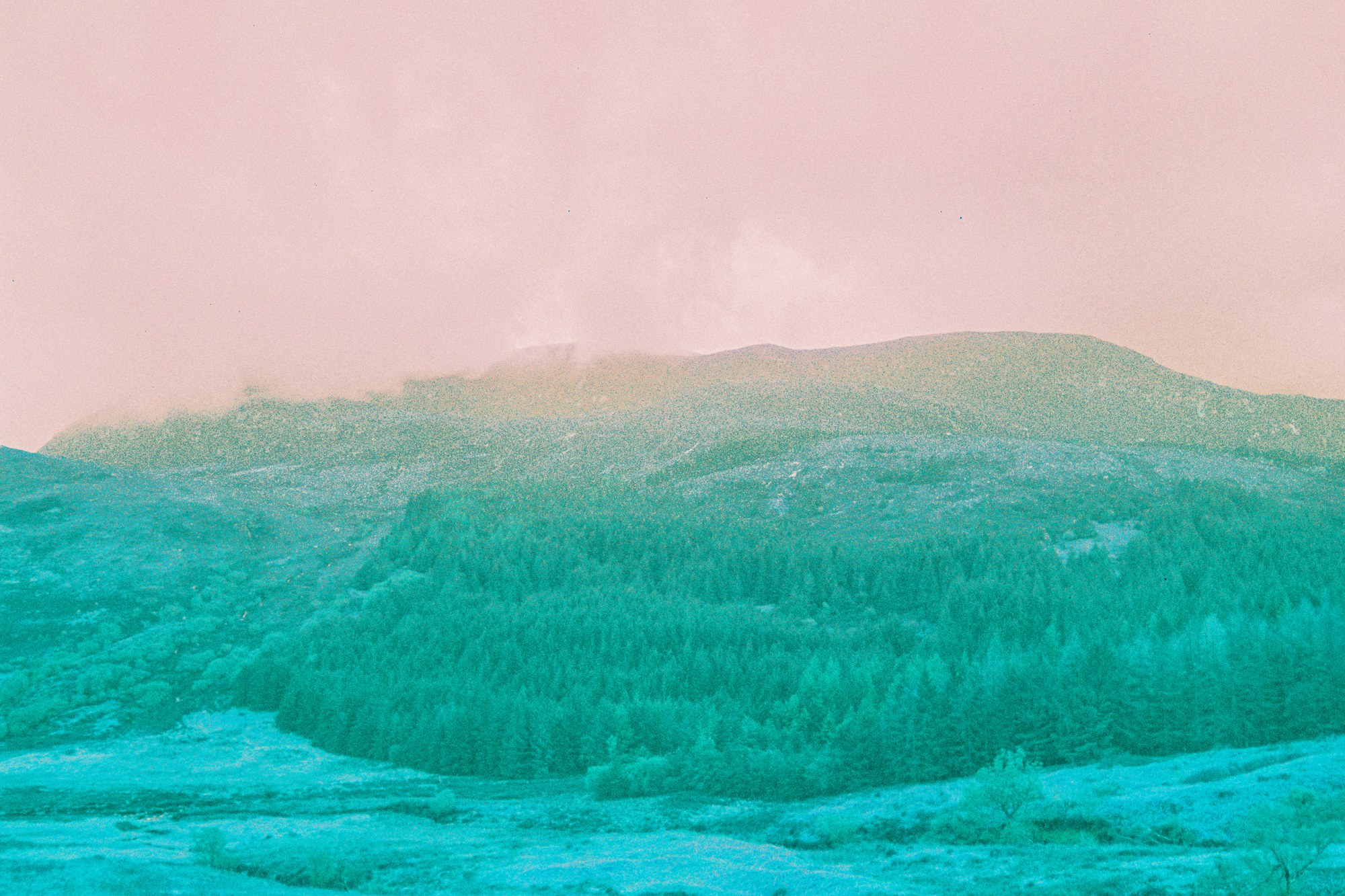
How the Light Conditions Changed the Results
I shot this roll over the course of a weekend, one of those days it was bright and sunny, the next day it was cloudy, overcast, and raining, and this certainly had an impact on the results.
I would say the far stronger images are those captured on the first day, which was a bright, sunny day.
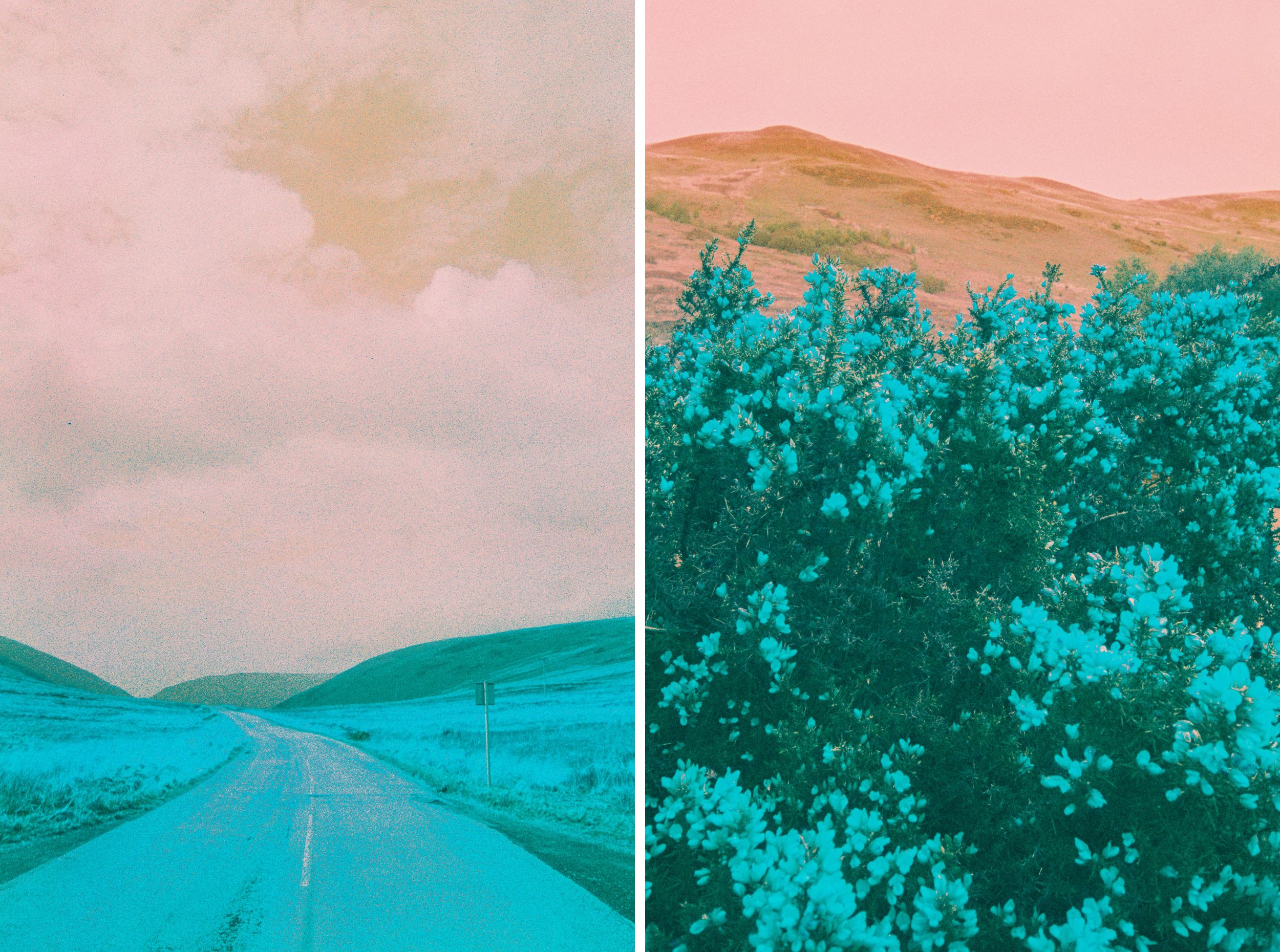
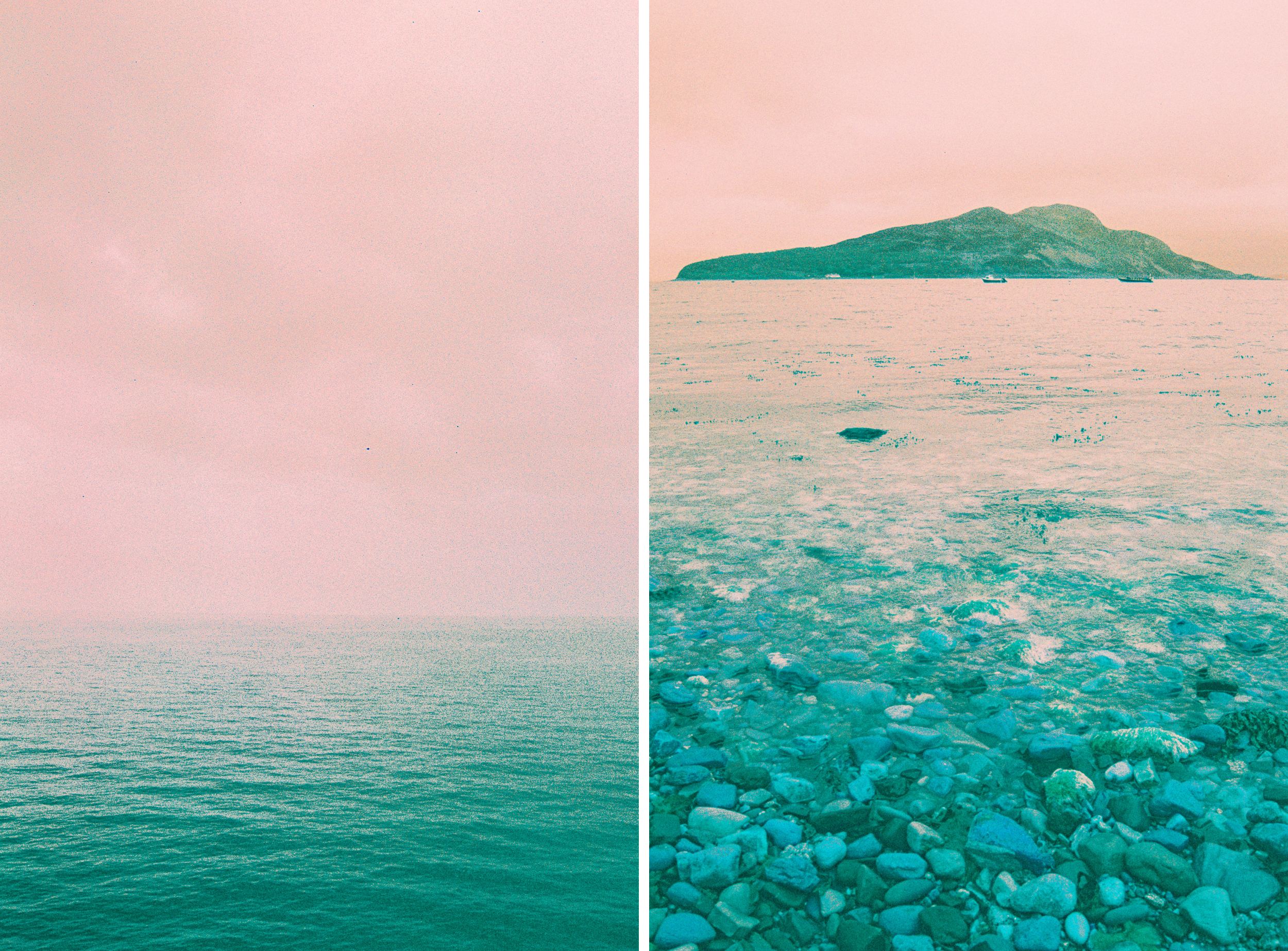
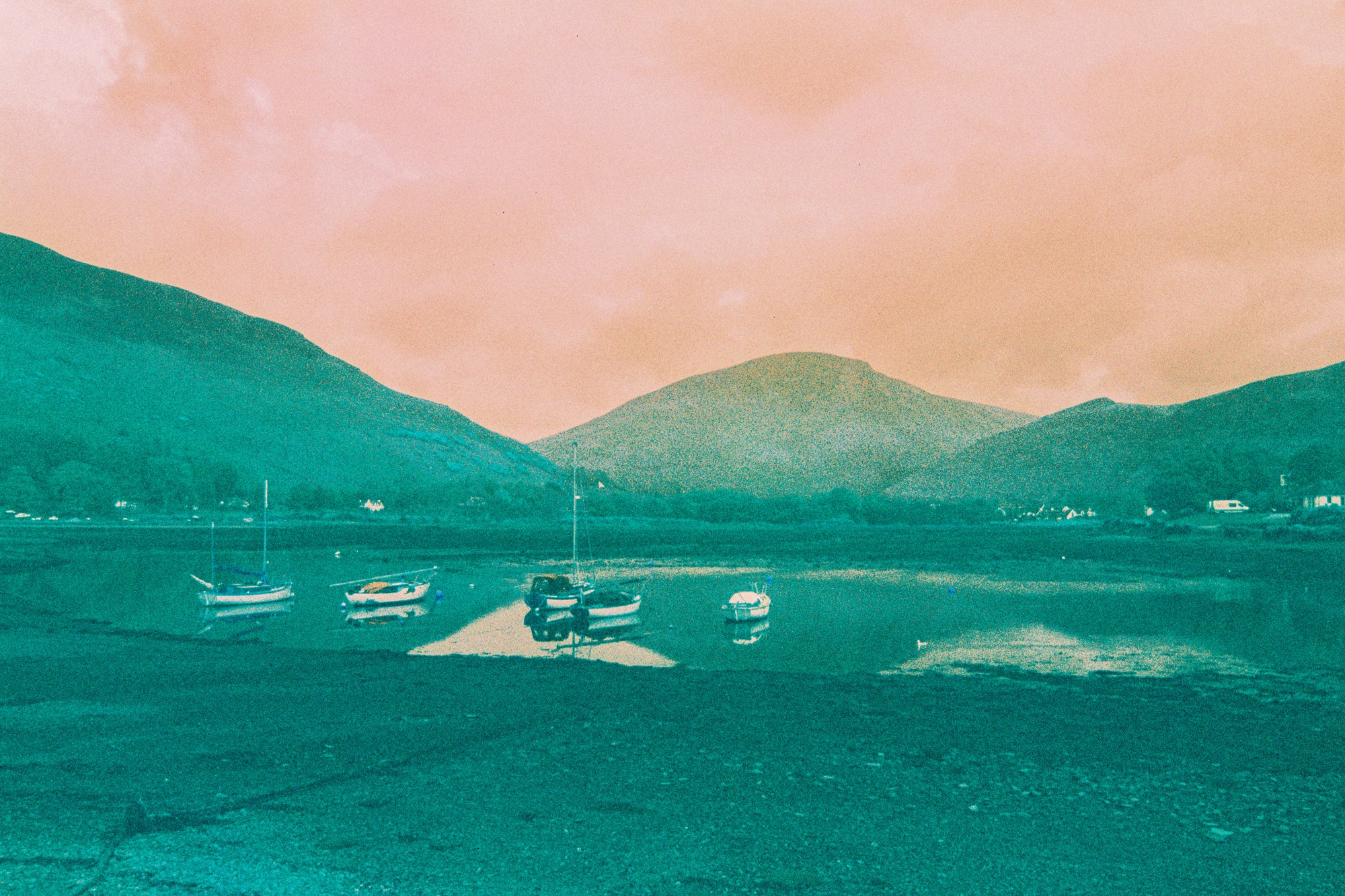
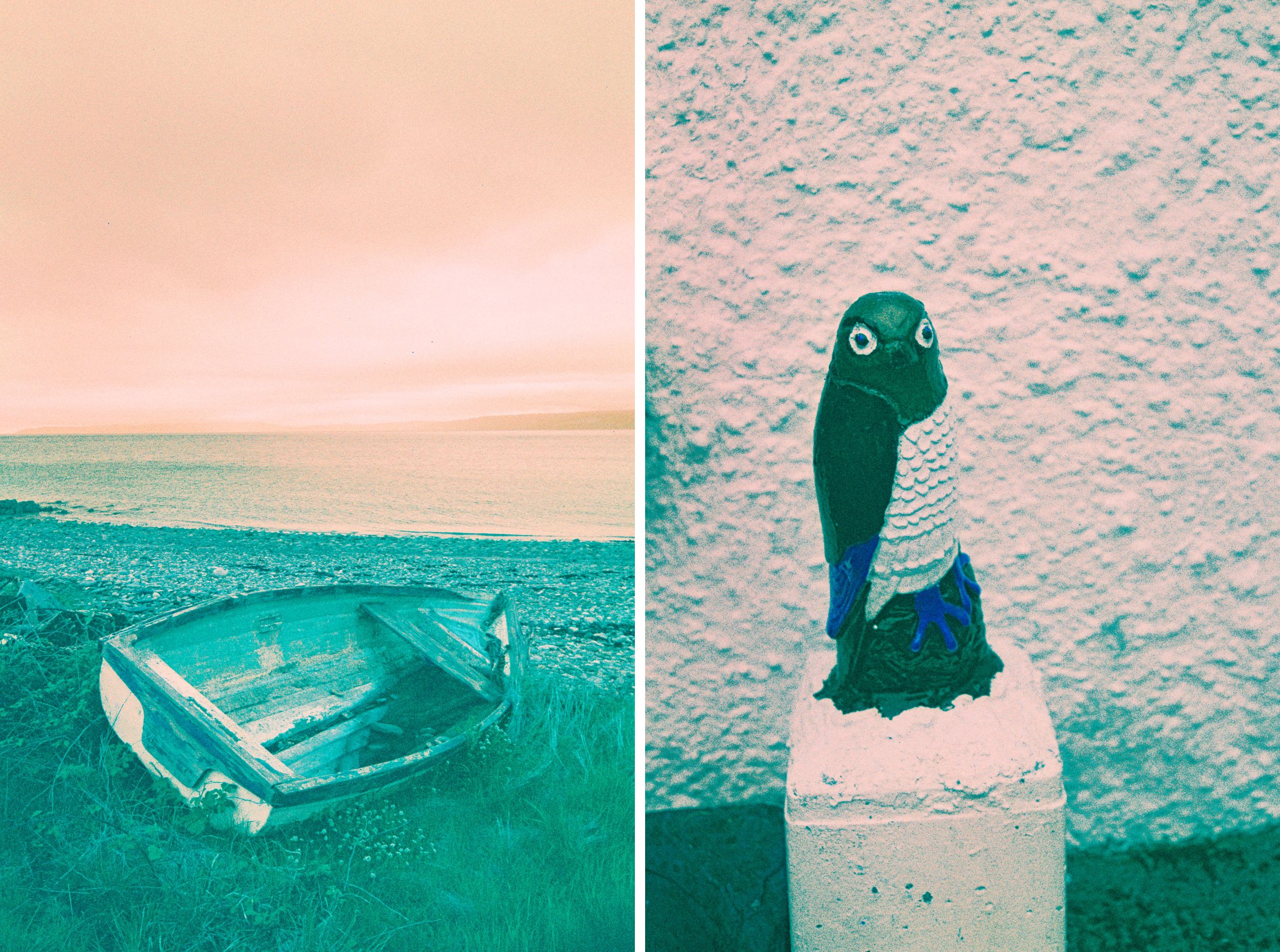
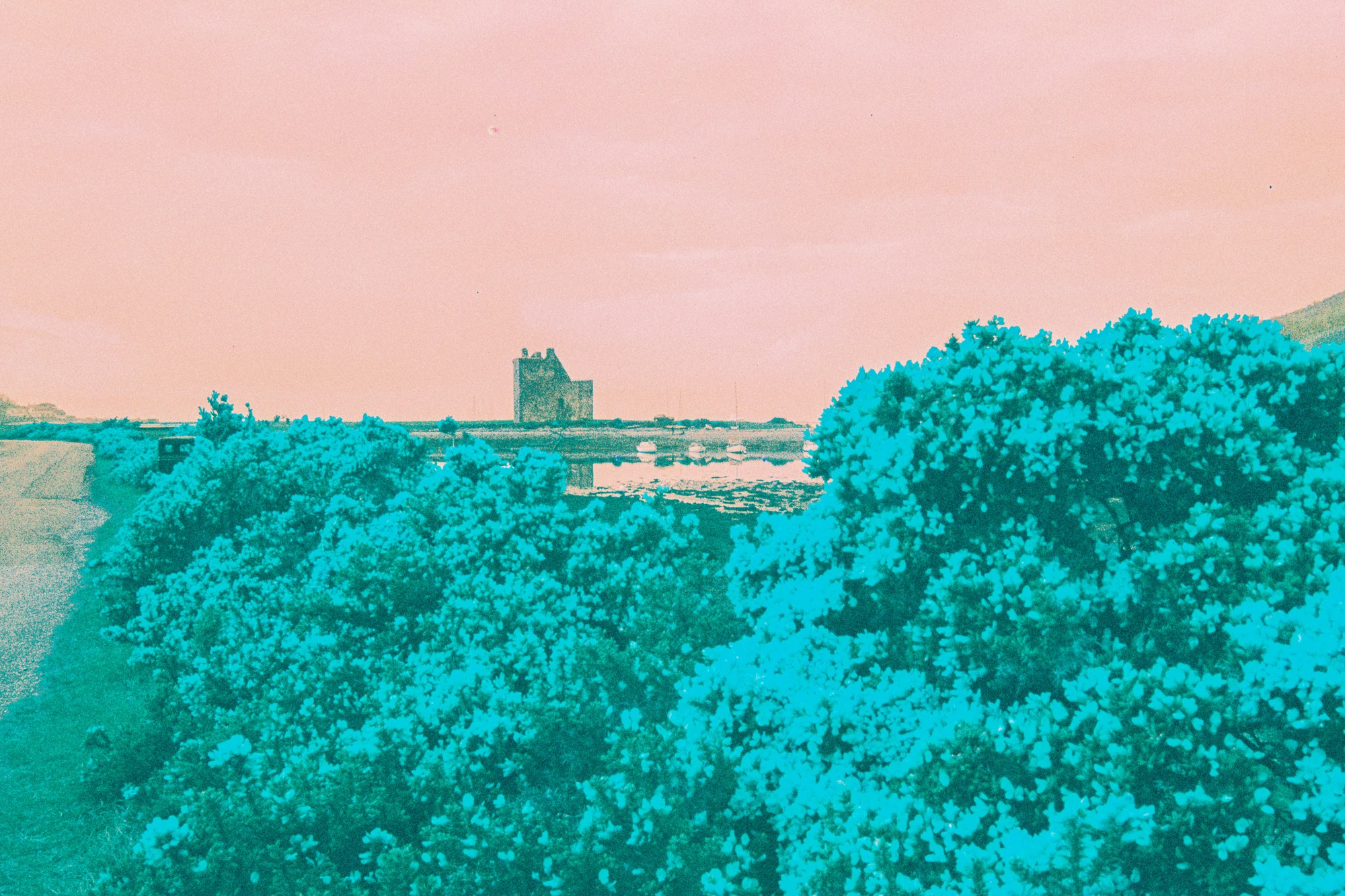
With these images below and the gallery above, you can clearly see that the images are far more vibrant and contrasty, with colour shifts evident in those taken on a sunny day, whereas those taken on an overcast day have far less definition.
I like images from both days, but you can clearly see the difference.
Harman Switch Azure results on the bright, sunny day:
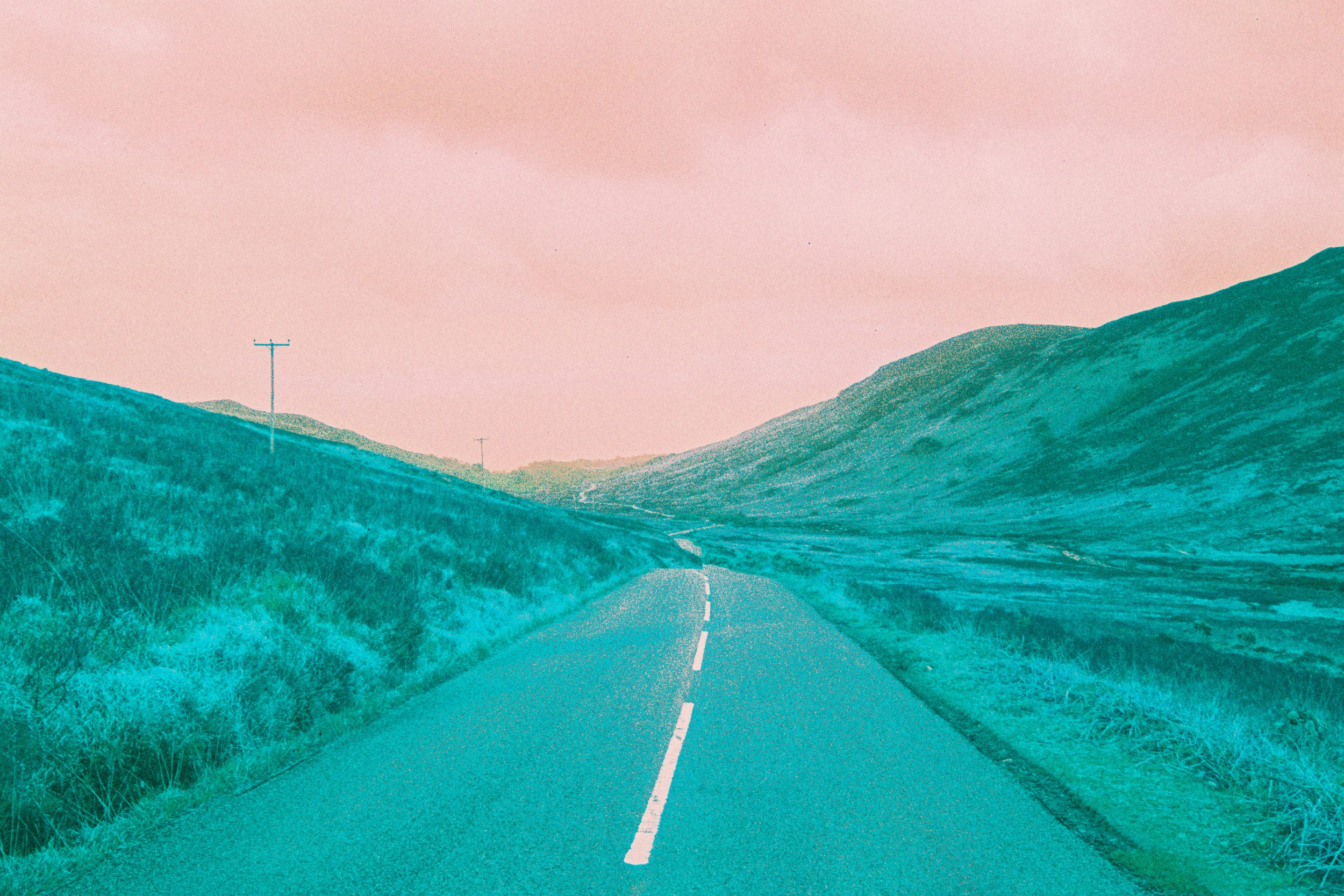

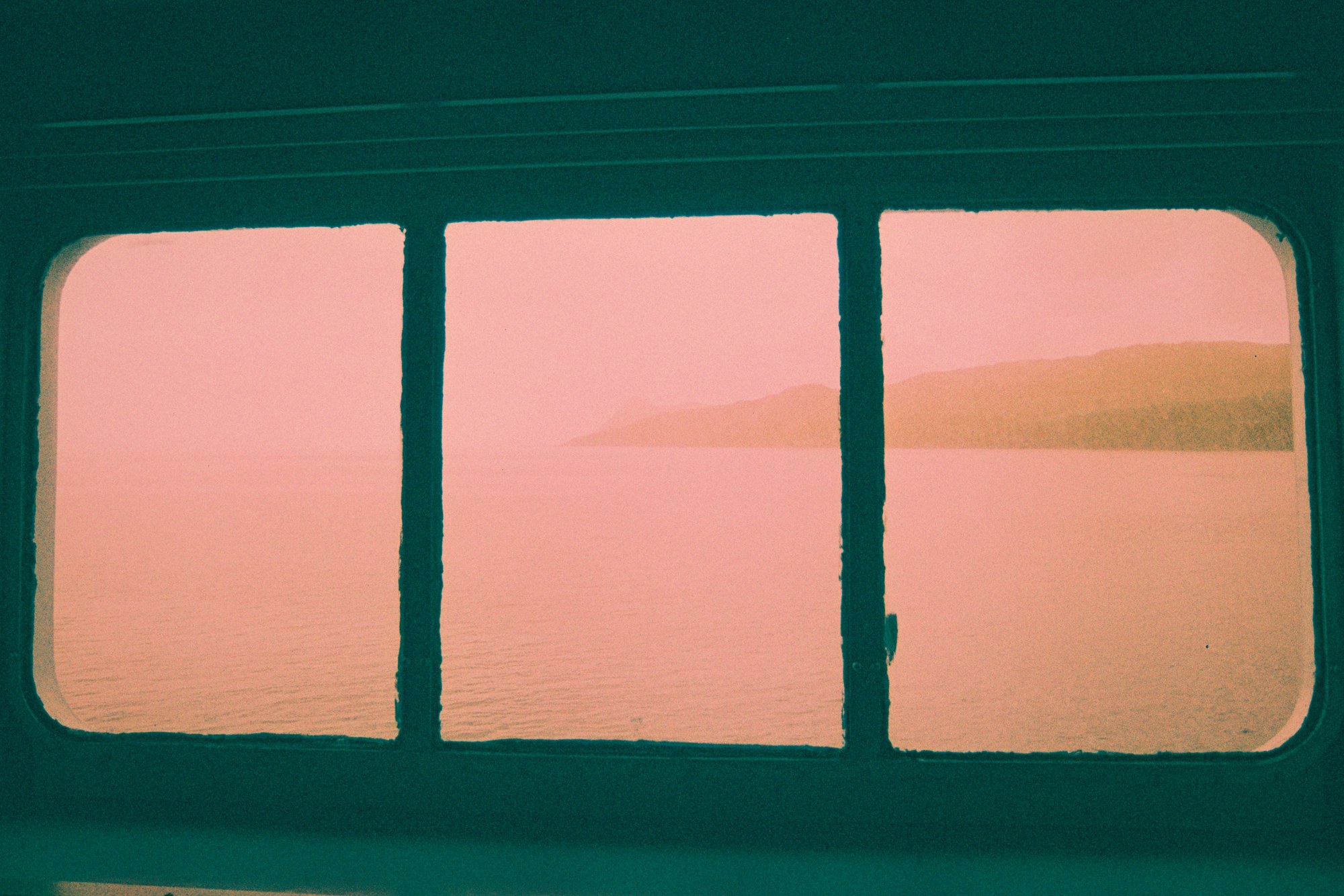
Harman Switch Azure results on the dull, overcast day:
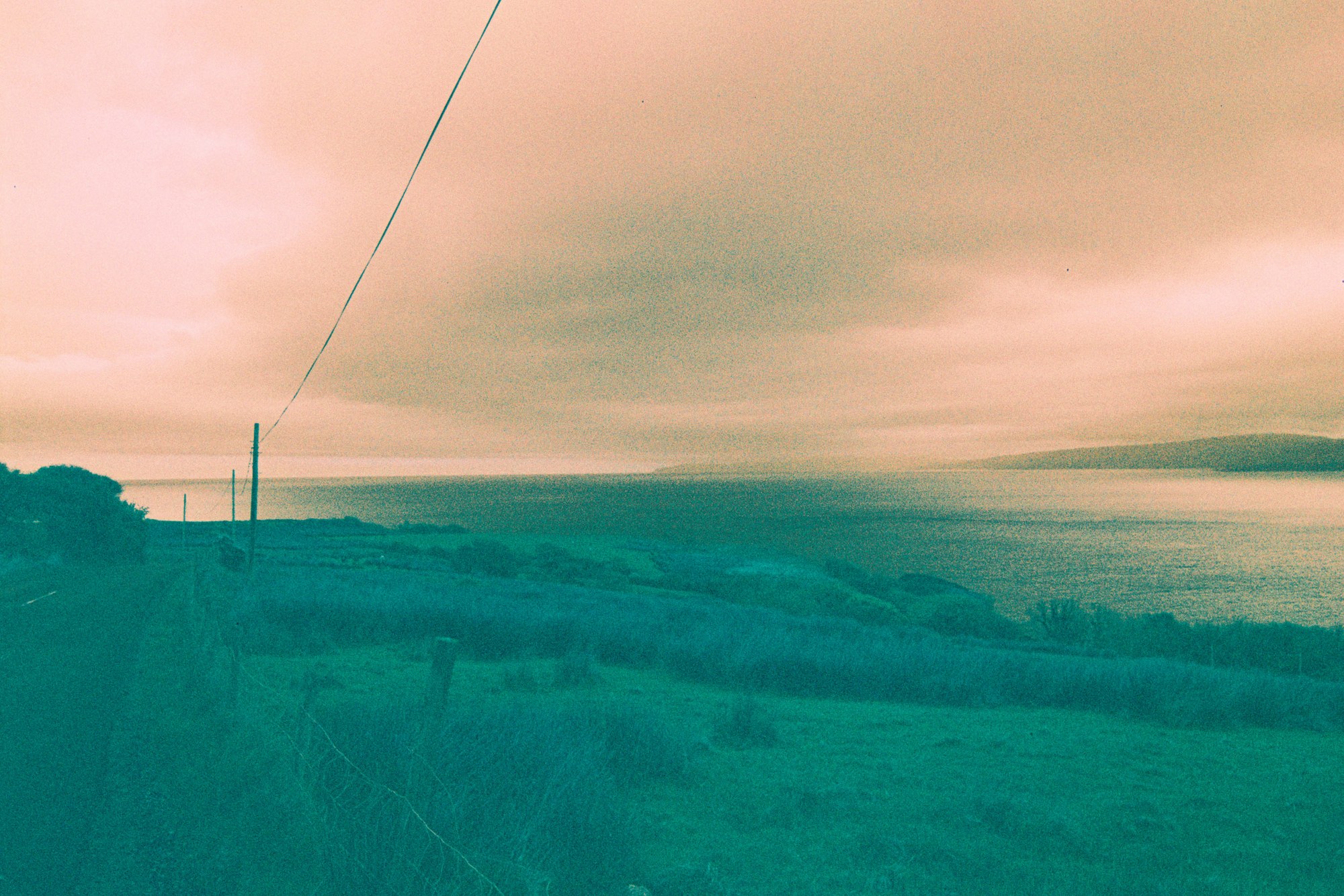
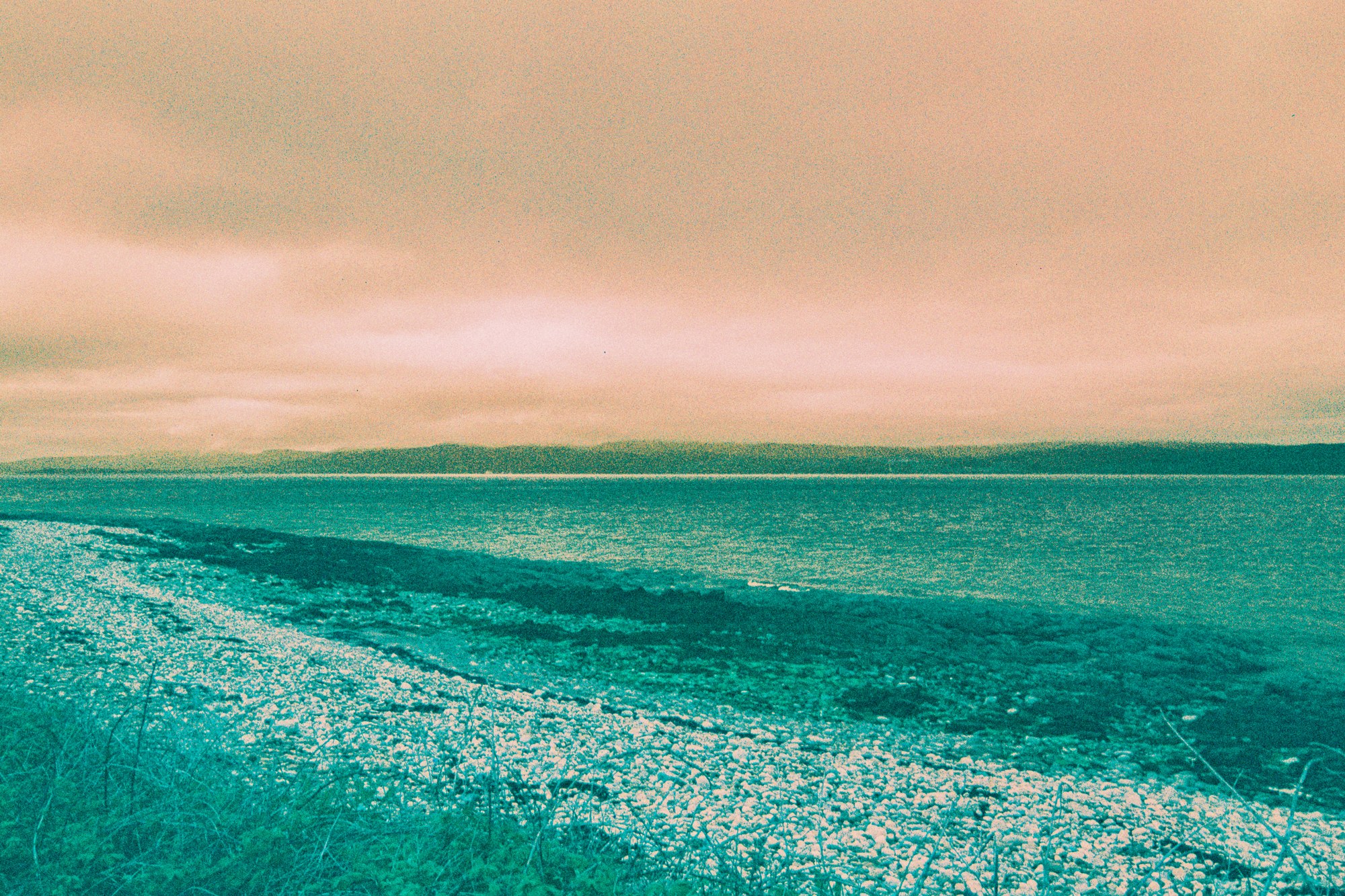
I can't vouch for what it would be like in other conditions, for example, indoors or at night/ long exposure, etc., but from what I can gather from my initial experiment with this roll, is that low light situations don't bring out the best in scenes. But honestly, I could be wrong about this.
The only way to find out is if that type of photography is your thing and you're curious, get out there and give it a try, but just take on board a bit of my advice with that!
What to Consider When Using Switch Azure
Always remember that this is not a true colour film; it is an experimental colour-switch film, so however you use it, the images are not going to be true to life in terms of colour, so always remember that, and embrace the wackiness of it all in my opinion!
Bold, contrasty, colour-blocky scenes work best, so keep that in mind when using it, think bright days, blue skies, anything with lots of punch and contrast.
From my experience, I would say that the film doesn't work its best in dark, flat and overcast conditions. I would agree too, while I have limited experience with using this film indoors, even with a flash, indoor images might prove to be quite tricky to achieve.
What Photo Projects Could Work Well With the Harman Switch Azure?
Anything experimental, surreal, and in my personal opinion, I think these make very interesting images that would work well as fine art prints. The images are still photographic but wholly unique, and definitely more likely to appear on someone's wall than, say, a non-fiction news article.
Also, if you're considering a photo zine or a photobook, the types of images the Switch Azure creates are ideal candidates for such a project.
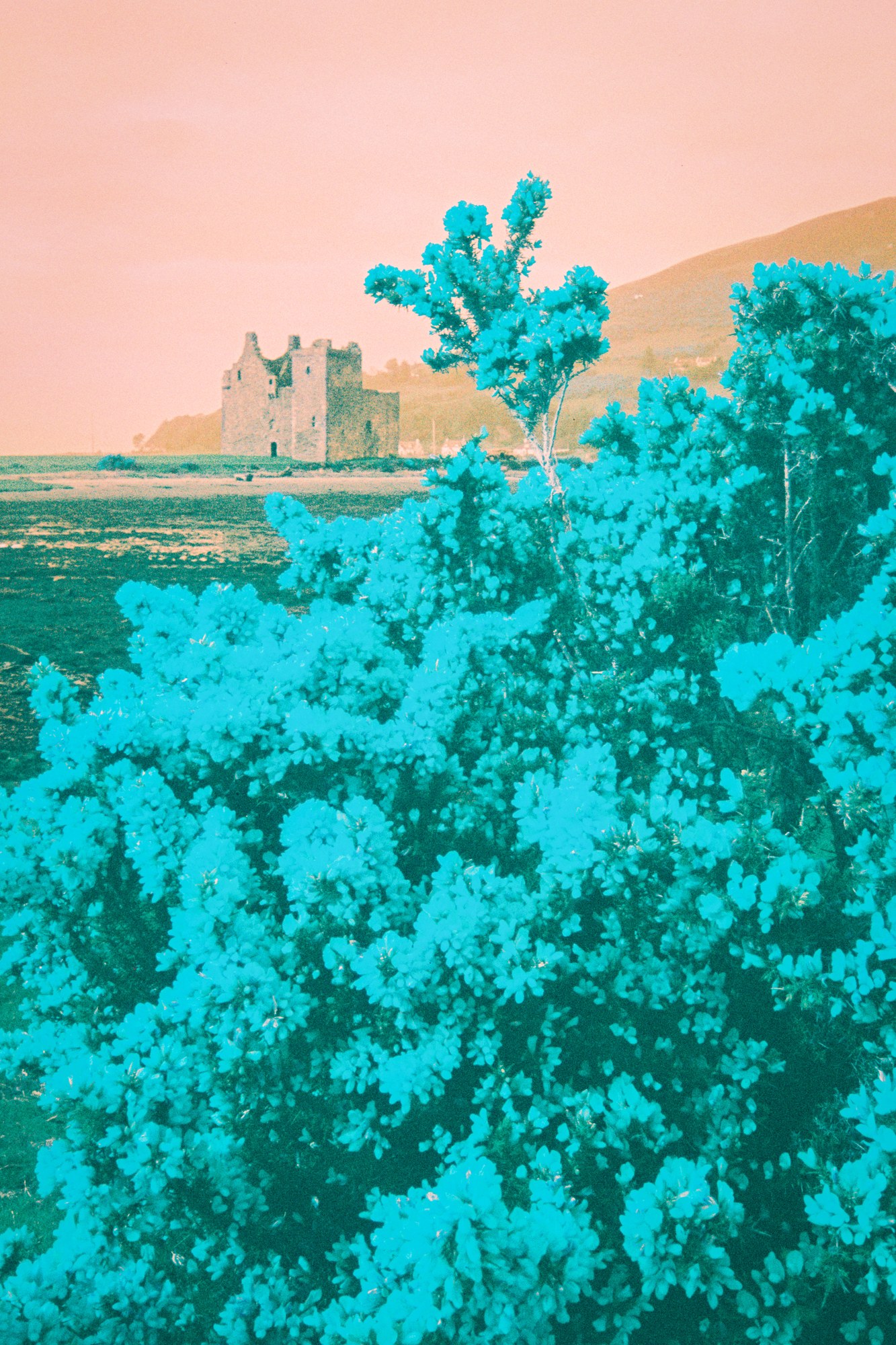
My favourite image from the film roll is this one below. Everything works with it, in my opinion, good framing and composition, and bold, punchy colours where you really see the full effect of the Switch Azure film. In this instance, it works brilliantly. How can I see it being used somewhere? As a print, I believe it's got everything it takes to appear on someone's wall!
Other Colour-Switch or Experimental Analogue Film Options
If the Switch Azure has piqued your interest in this kind of photography, it's not the only experimental stock worth a look. Lomochrome Turquoise is the film most often compared to it, and it shifts colours in a similarly unreal, otherworldly way.
And of course, there's HARMAN RED, the film's stablemate in Harman's experimental range and the one that started me down this road in the first place. You can read all about my experience with it in my dedicated feature.
Would I Use the Switch Azure Film Again?
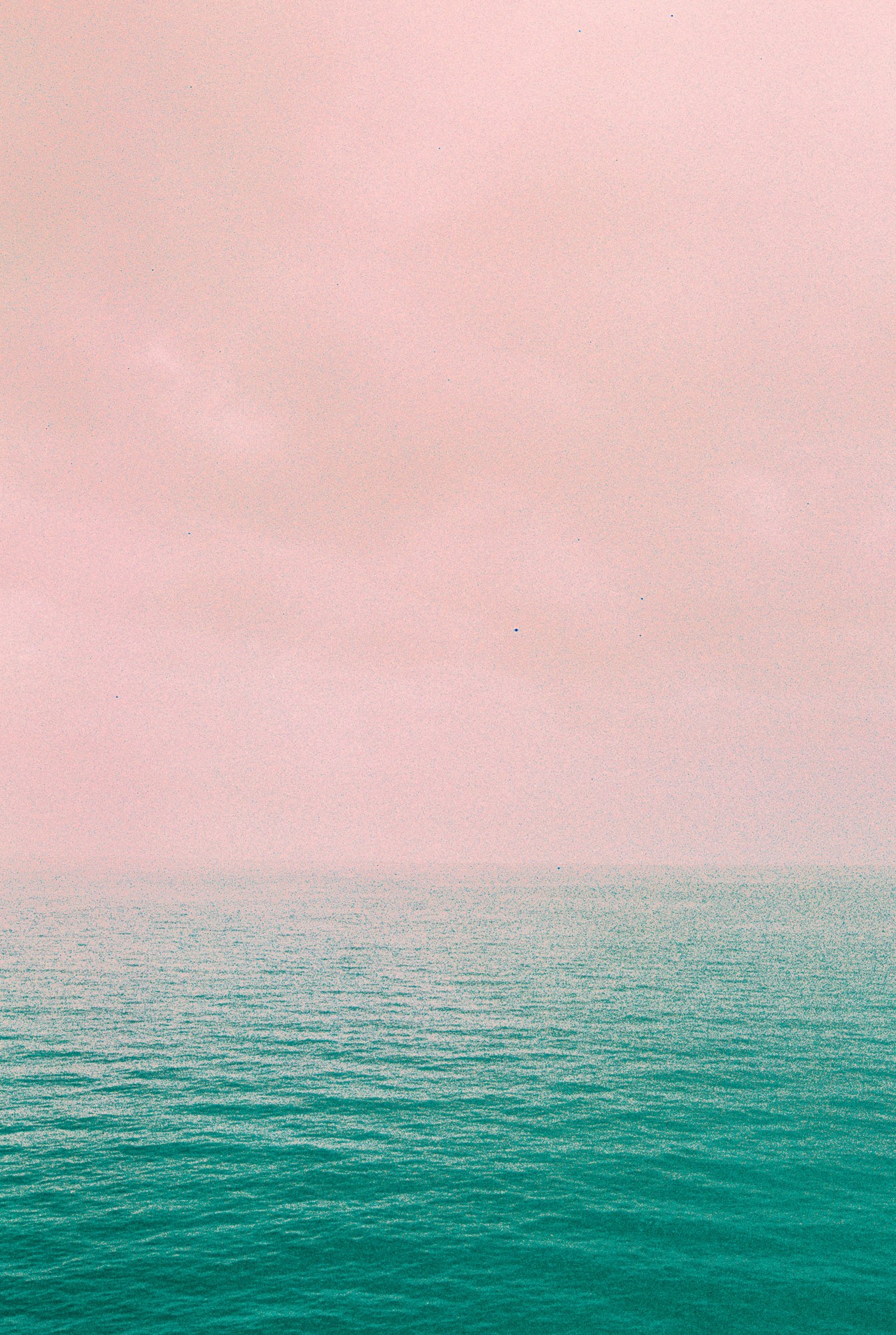
Yes, I would, but I would know it would be purely for experimental photography and artistic merit; I wouldn't be using it for taking pictures where I want it to be a true and accurate account of the scene in front of me. I do love the colour switch though for certain scenes, here's another one, of the sea and horizon, where it just works.
Final Thoughts: Who is This Film For?
Harman Switch Azure is a film stock for photographers who want to be experimental with spontaneous, surreal, and surprising images.
If you're keen on taking pics of ordinary scenes but have the results come out rather extraordinary, then this film is for you. It is by no means a film for anyone who needs consistency or colour accuracy. So, if you're shooting a wedding, a product, or anything where the client expects the scene in front of them to look like the scene in front of them, just don't.
But if, like me, you enjoy film stocks that push you towards something more unusual, well, very unusual, this is a brilliant way to get that look. And I would happily shoot another roll of it, ideally somewhere with big bold colours and in bright conditions to get the very best results.
If you do give it a go yourself, we'd love to see your results, so share them on your Picfair Store, and don't forget to try a few different conditions, since, as I found on Arran, this film rewards a bit of experimentation with light just as much as it rewards experimentation with subject.


