


Buying a new camera is a big decision. You’ve likely weighed up the specs, but have you asked yourself these five often-overlooked questions?
5 Overlooked Questions When Buying a New Camera
It’s easy to get caught up in the technical specs when buying a new camera: megapixel count, autofocus capabilities, low-light performance, etc., etc.
While those things absolutely matter, they’re only part of the story, and there’s more you should be considering when thinking of your next camera purchase.
What often gets overlooked are the practical, day-to-day realities of actually using your camera. This often shapes whether your camera comes with you wherever you go or ends up just gathering dust.
Before you commit to your next camera, here are five important (and often ignored) questions worth asking yourself. All of which have been drawn from personal experience, my recent buying of a new camera (the beautiful Fujifilm X-T50), and I do hope you find these useful.
1 Where Will I Actually Use My Camera the Most?
This was a big one for me. Be honest about where you’ll really use your camera, not just where you aspire to be using it.
Will it live in a studio? Come with you on daily walks? Travel across countries? Or sit in your bag “just in case”?
Different scenarios call for very different types of camera setups. For example, for street and travel photography, size matters a lot. A compact, lightweight camera is far more likely to come with you wherever you go, and it’ll be far more comfortable to use when out and about.
On the other hand, in a studio, for still life, or even for slower-paced landscape work with a tripod, a larger system with bigger lenses and sensors can be a real advantage. So give this one some real thought.
2 How Much Does the Camera's Weight Matter?
Think of your back for this one, really.
It might sound minor, but it isn’t. A camera that’s too heavy can become one you stop taking out altogether.
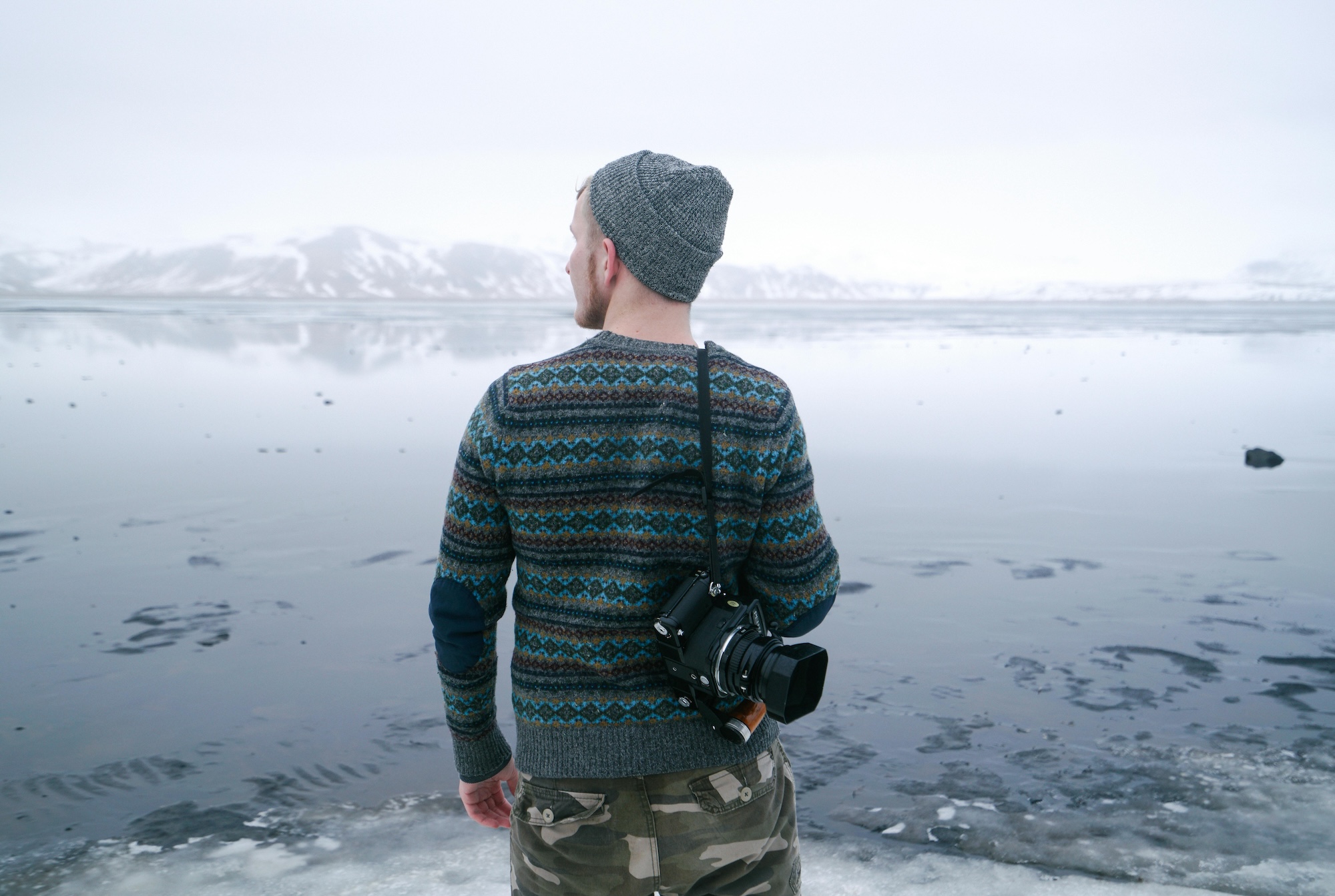
I learned this the hard way. My previous camera produced great images—but it was large, heavy, and quite conspicuous. I found myself leaving it behind more and more, especially when travelling or heading out casually.
Switching to a lighter setup made a huge difference for me. When you’re walking long distances or travelling with a backpack, weight can quickly add up, affecting both your energy and your enjoyment.
If you’re mostly shooting in fixed locations, this matters less. But if you’re on the move? It’s one of the biggest factors you should consider.
3 What Extra Accessories Do I Need for My Camera?
This is one thing people often consider after they’ve bought the camera. But really, you should be thinking about it beforehand.
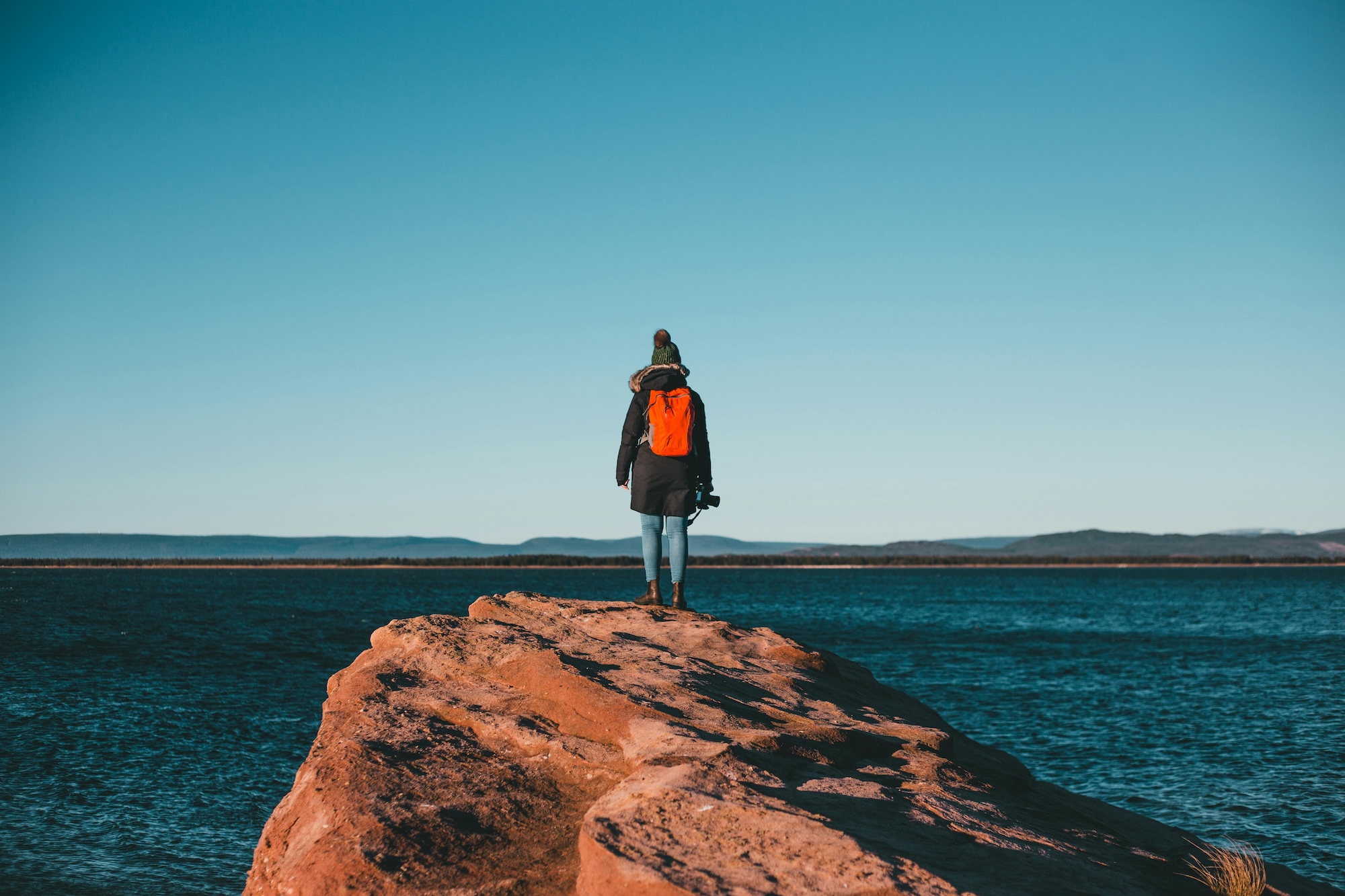
Think beyond the camera body and lenses. What else will you need to actually use your camera properly?
For example, will you need spare batteries, several memory cards, a larger camera bag or cube, different straps, filters, cleaning kits, etc.? It all adds up quickly and in some cases can significantly increase your overall spend, too.
Before buying, make a rough checklist and total cost. It’ll give you a much more realistic picture of your investment in your photography equipment.

4 What Are the Editing or In-Camera Features that Really Matter to Me?
As well as camera hardware capability, camera software and in-camera features can also shape your entire workflow.
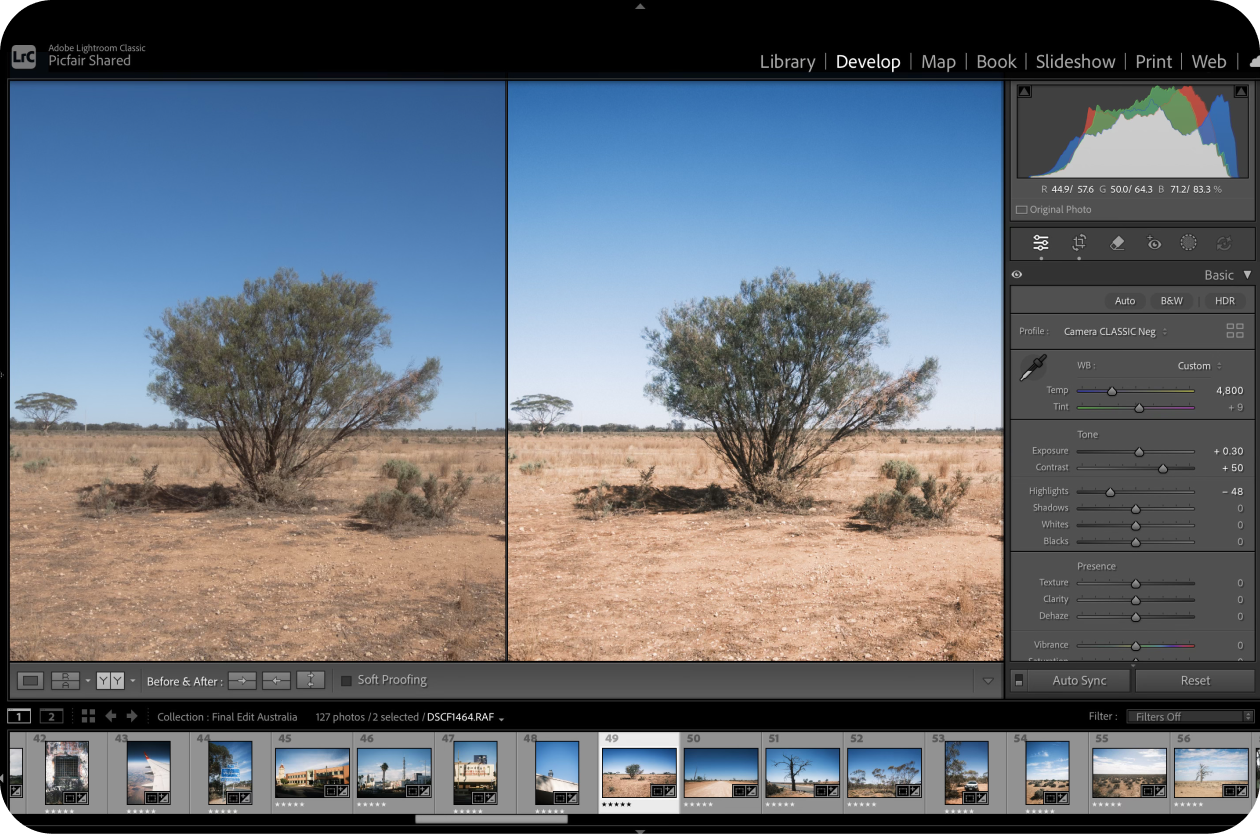
For example, one of the main reasons I personally chose a Fujifilm camera is for their film simulations and film recipes. Which is (in my opinion) a brilliant feature that lets photography achieve a film-like look straight out of the camera, and as with everything with Fujifilm, it has been done beautifully. It has genuinely changed how I shoot.
And it’s not just me who thinks this; there’s a huge community built around this. In fact, for this sole reason, Fujifilm has gathered quite a following.
What I’m getting at is that, when it comes to things like how you actually want your images to look or how you’re going to process them. Think about what matters to you. Do you want strong JPEGs straight out of the camera? Flexible RAW files? Built-in colour profiles? The right system can save you time and help define your style, so do your research beforehand.
5 Will I Actually Enjoy Using This Camera?
This might be the most overlooked question of all.
Because beyond specs, features, and performance, there’s something harder to define: how a camera feels to use.
Ask yourself, will it be intuitive? Comfortable in your hands and easy to carry? Does it actually make you want to go out and shoot?
That previous camera I mentioned ticked all the technical boxes, but I didn’t enjoy using it. It was too cumbersome and heavy for the type of work I wanted to use it for, and over time, that mattered more than anything else.
Simply put, when you enjoy using your camera, you use it more. And when you use it more, you improve and create better work.
It’s as simple, and as important, as that.
Conclusion and Next Steps
If there’s one thing I hope you take away from this, it's that buying a camera isn’t just about choosing the “best” camera model, technically speaking, but more about choosing the model that’s right for you.
By stepping back from the technical specifics and thinking about exactly how you actually shoot, carry, edit, and create your work, you’ll make a far more informed decision, and more importantly, one you’re less likely to regret.
Ultimately, the best camera is the one you’re actually going to use.
And once you’ve found it? Get out there and start building that body of photography work you’re excited about. And once you’re ready, don’t forget to upload your images to your Picfair Store!


